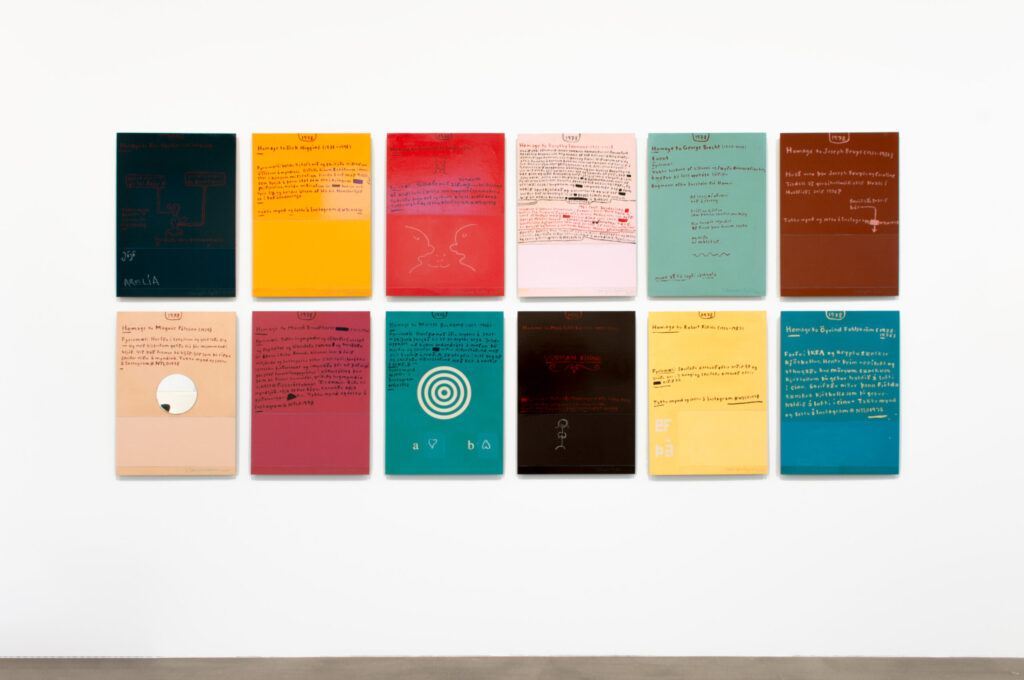
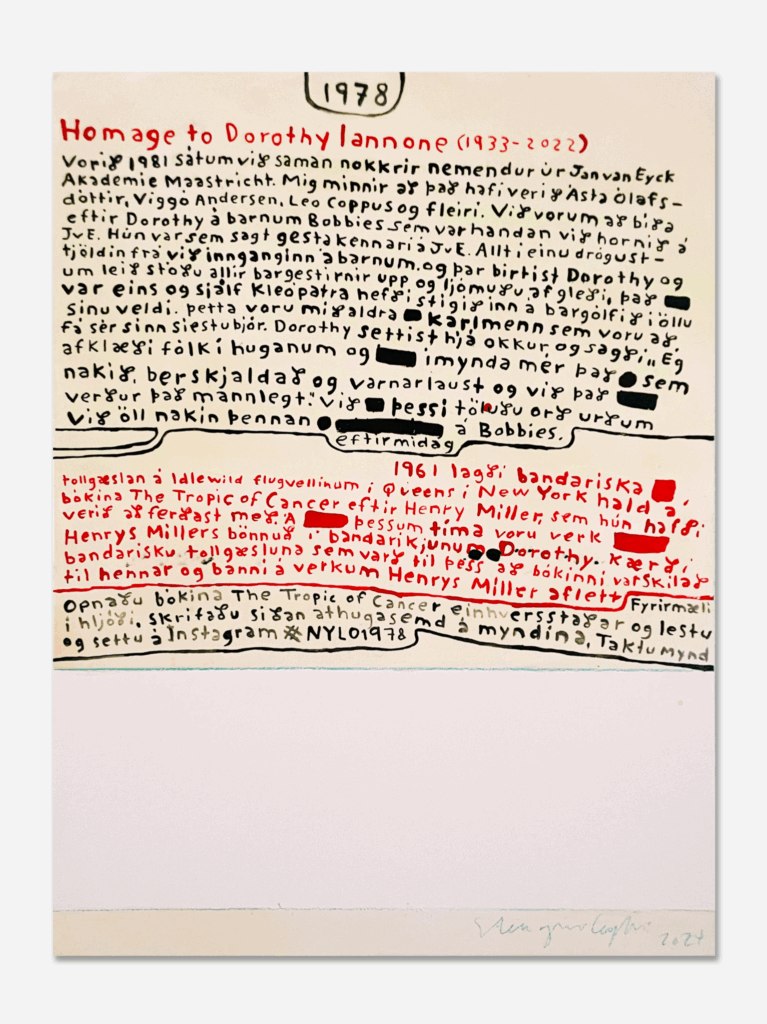
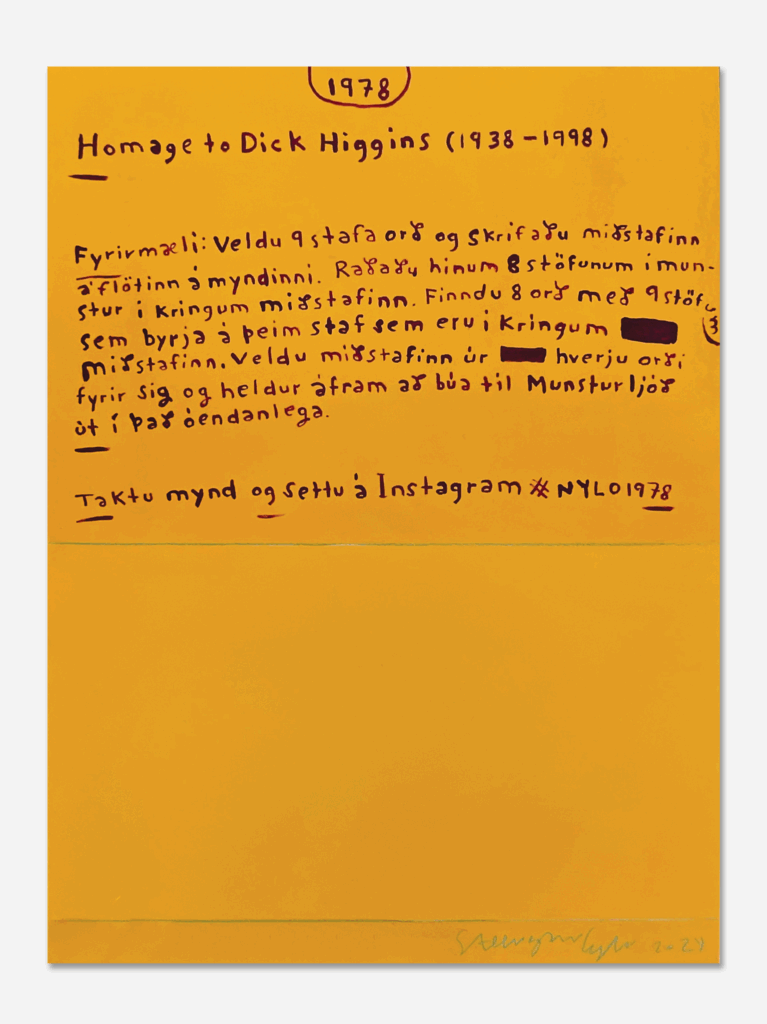
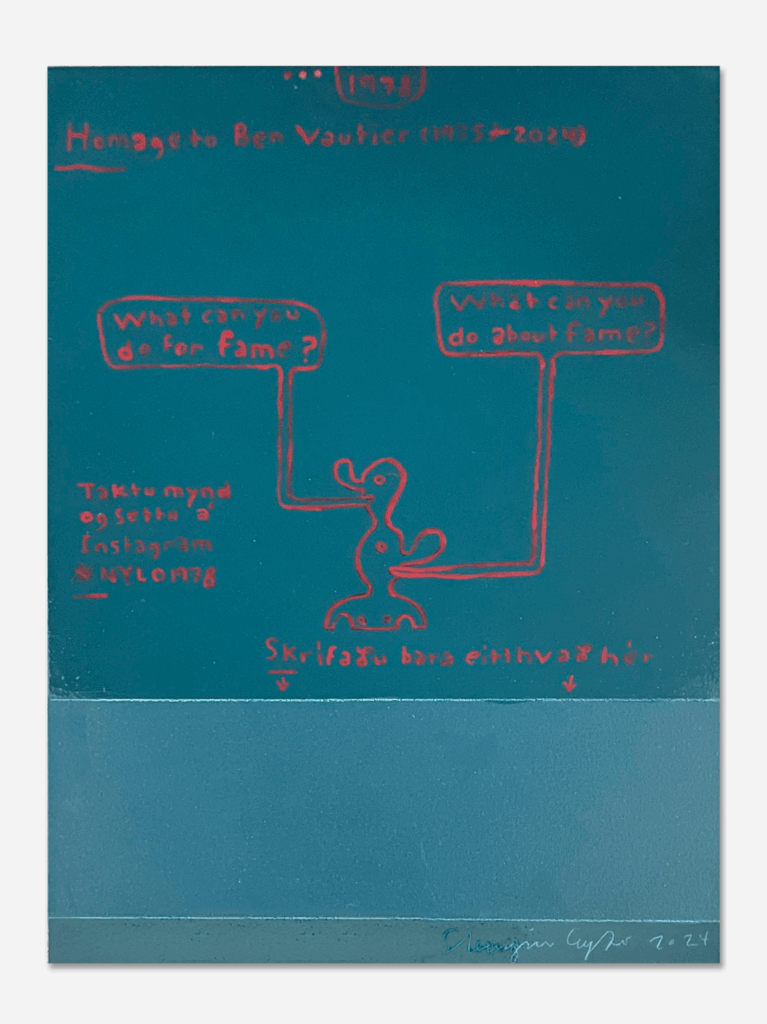
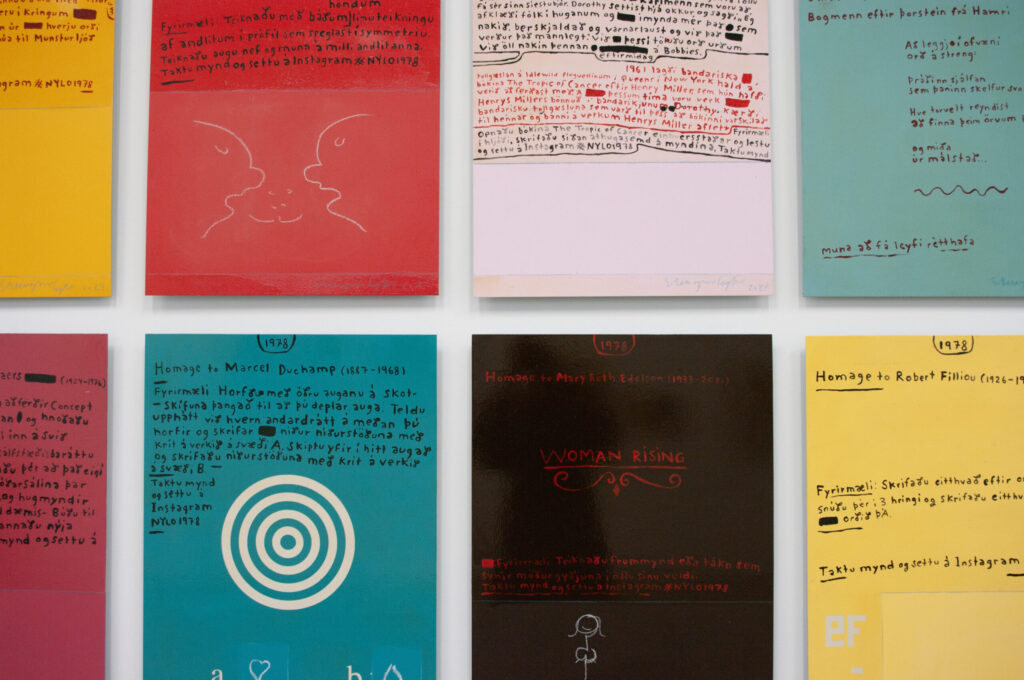
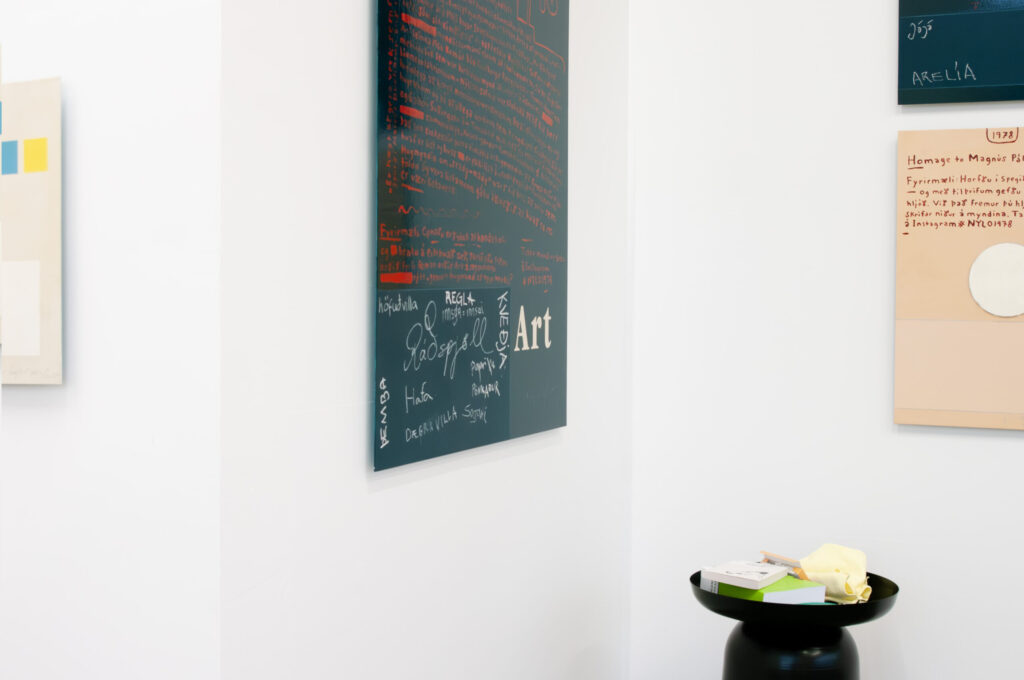
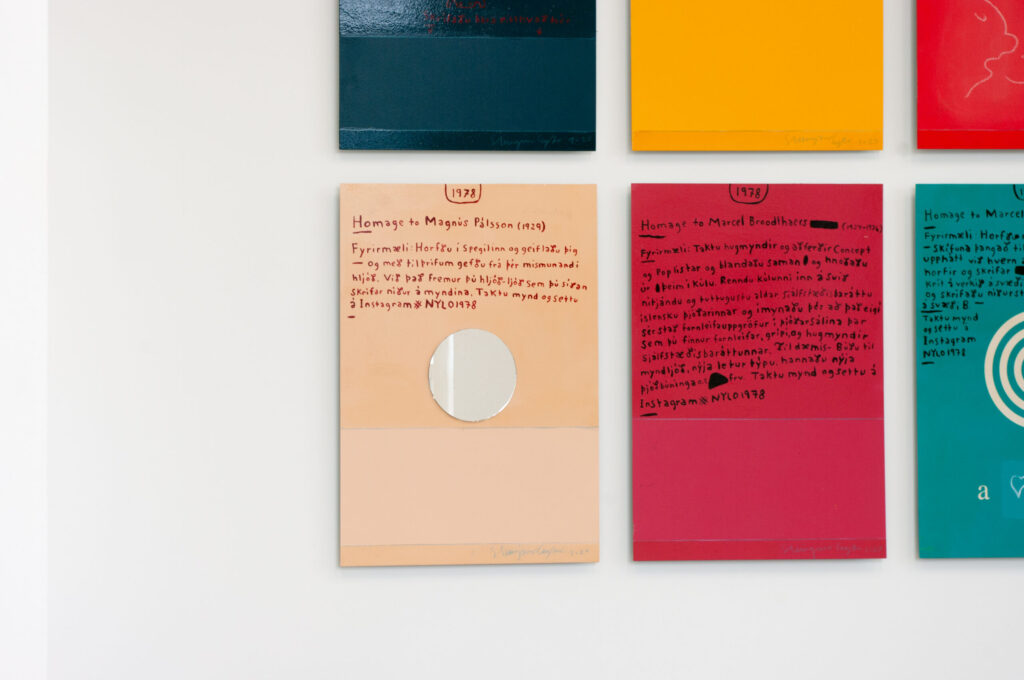
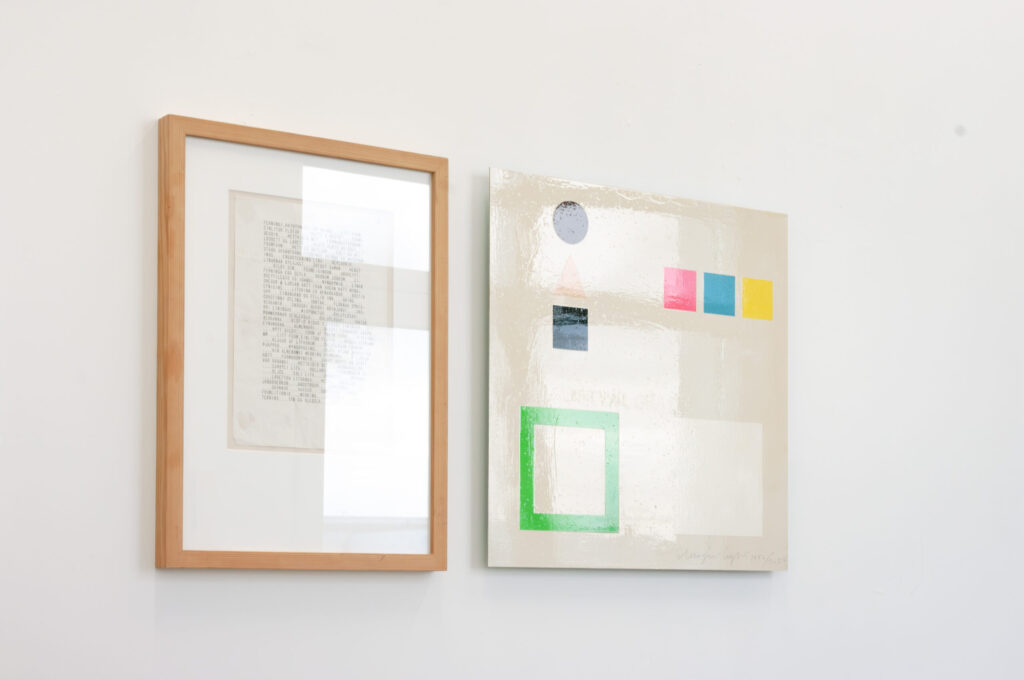
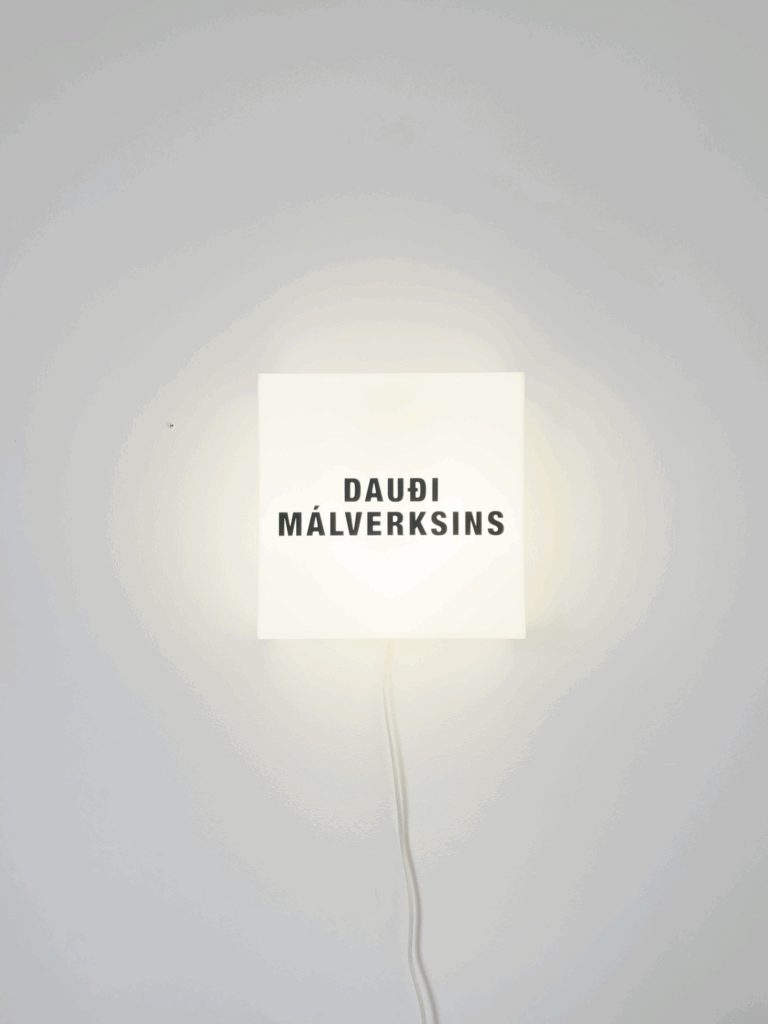
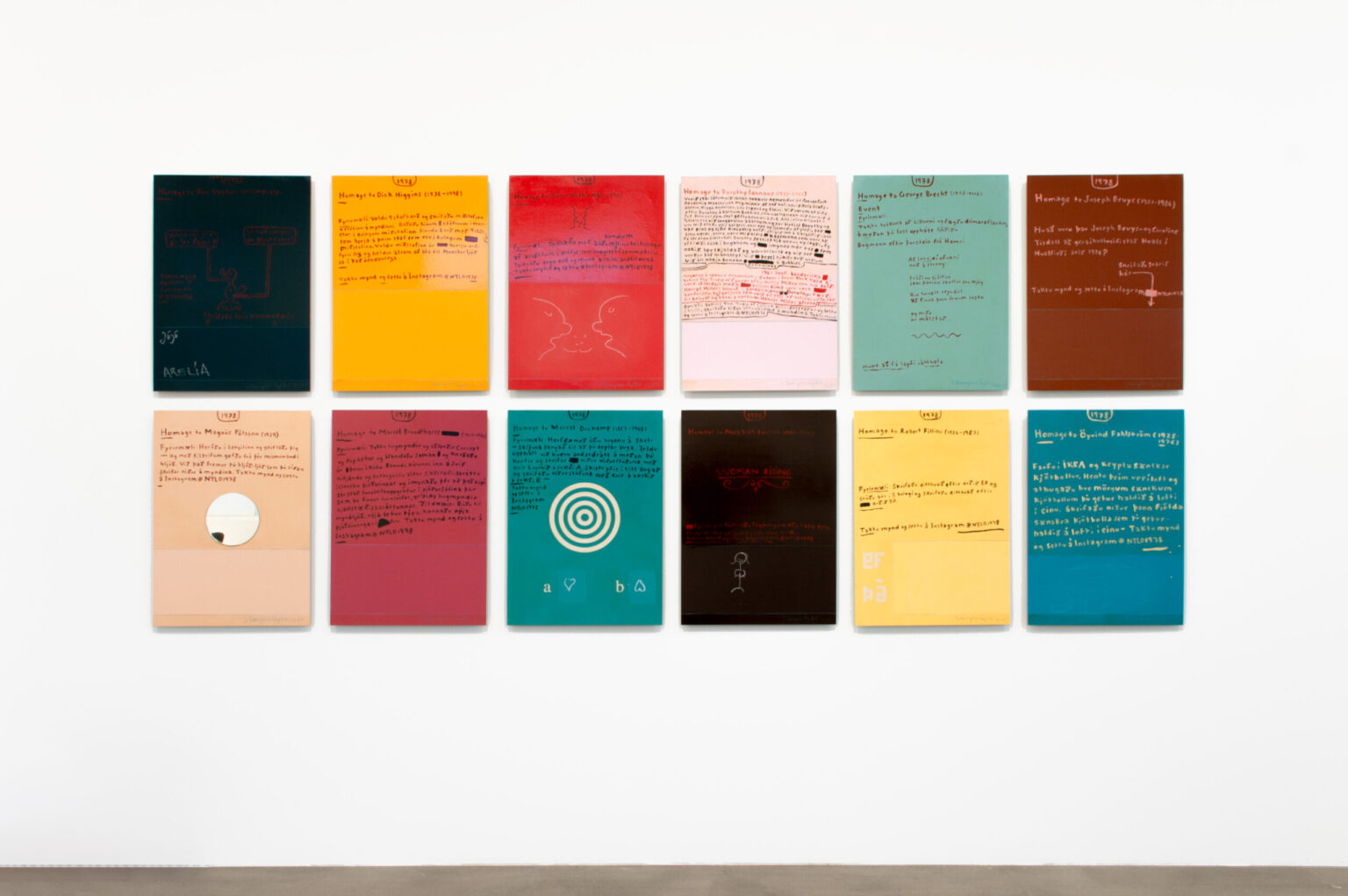
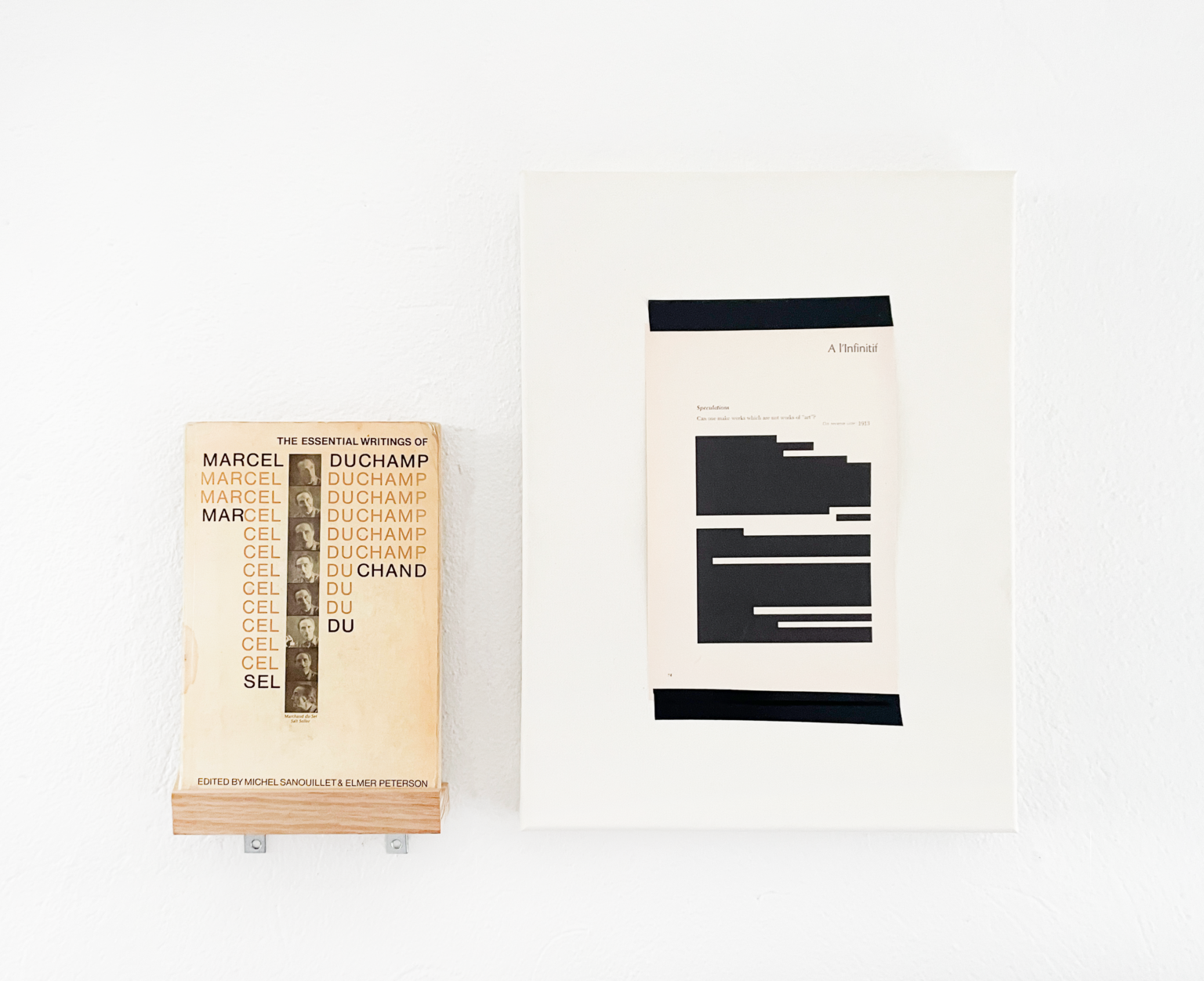
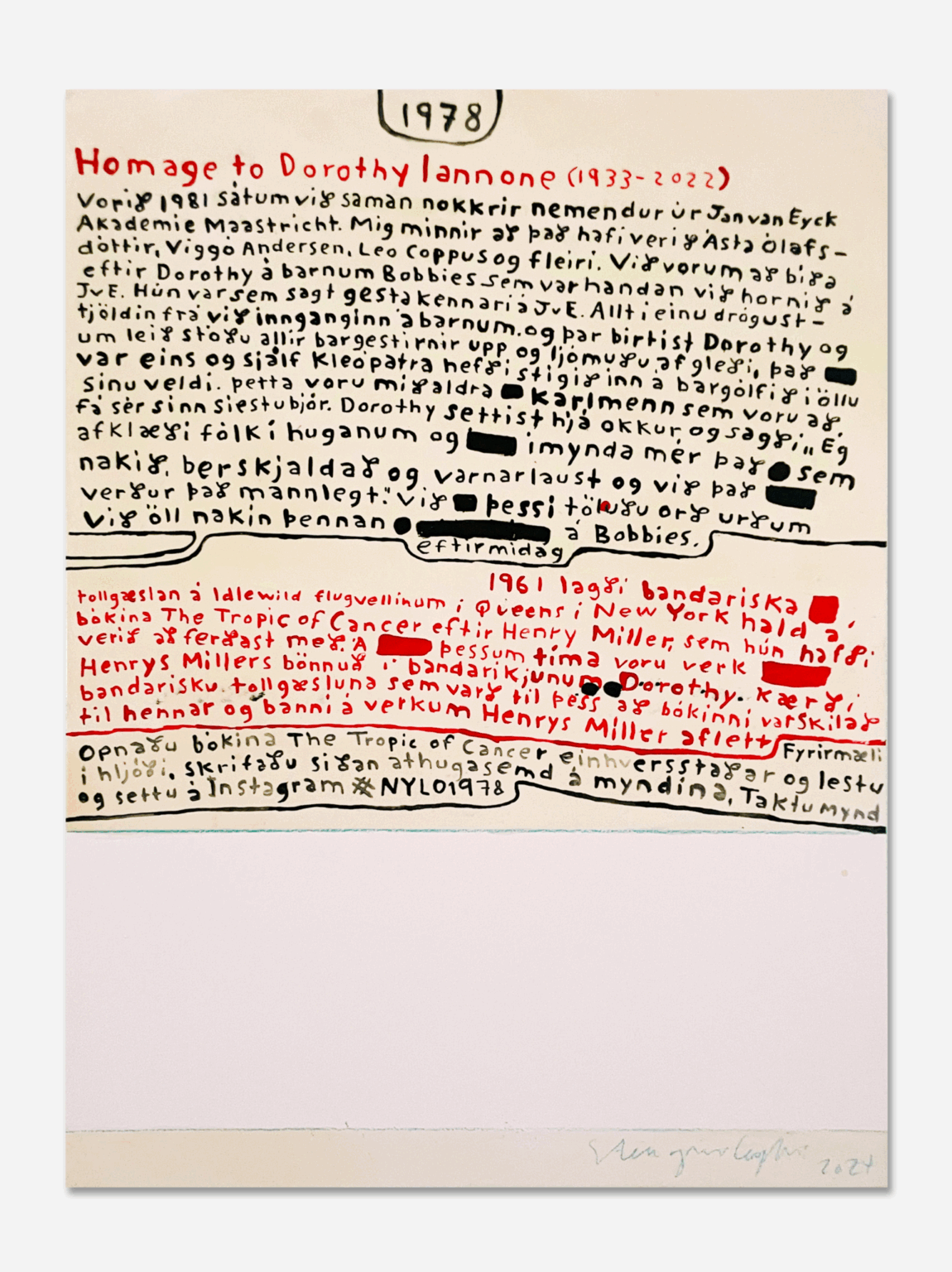
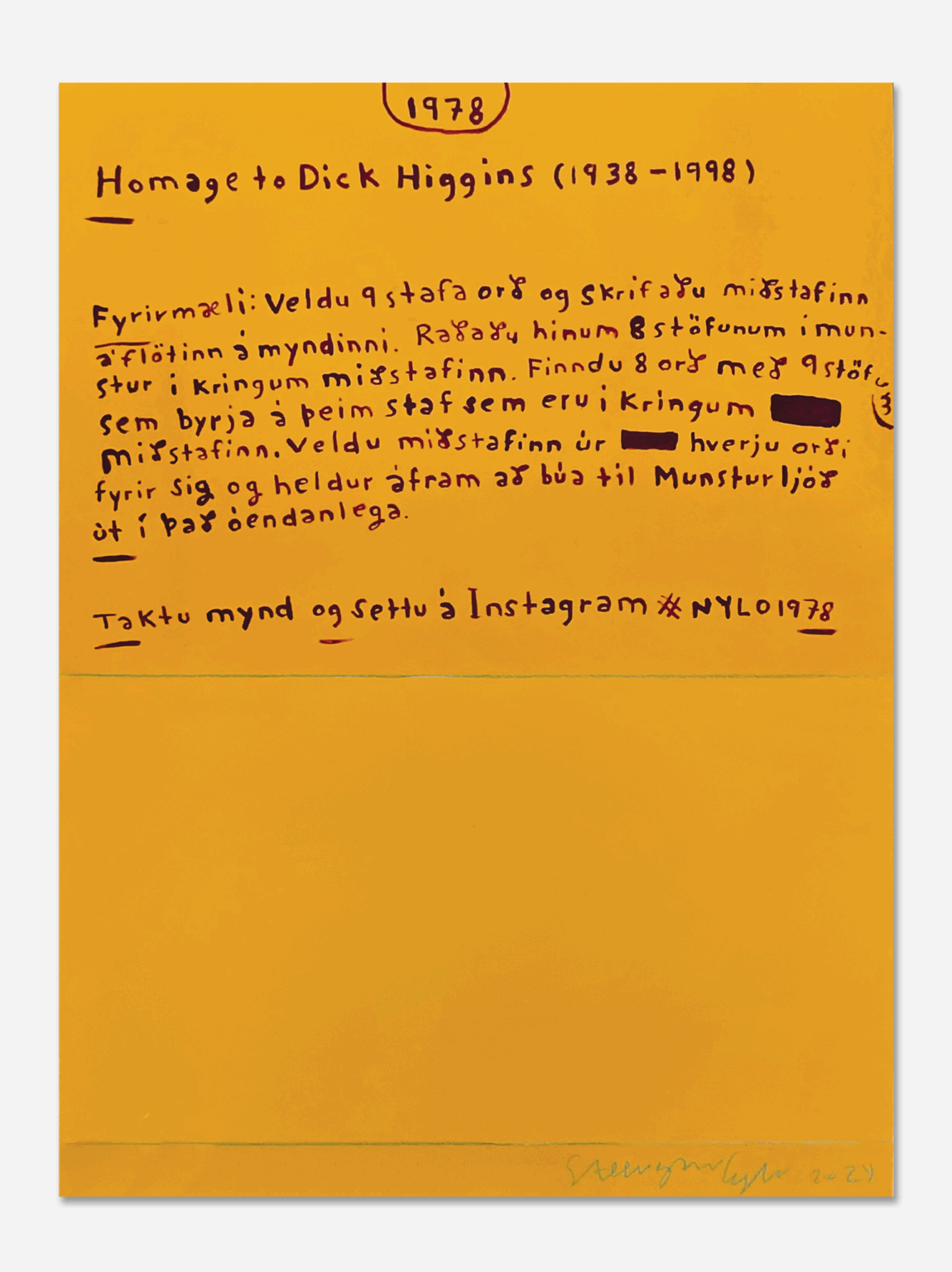
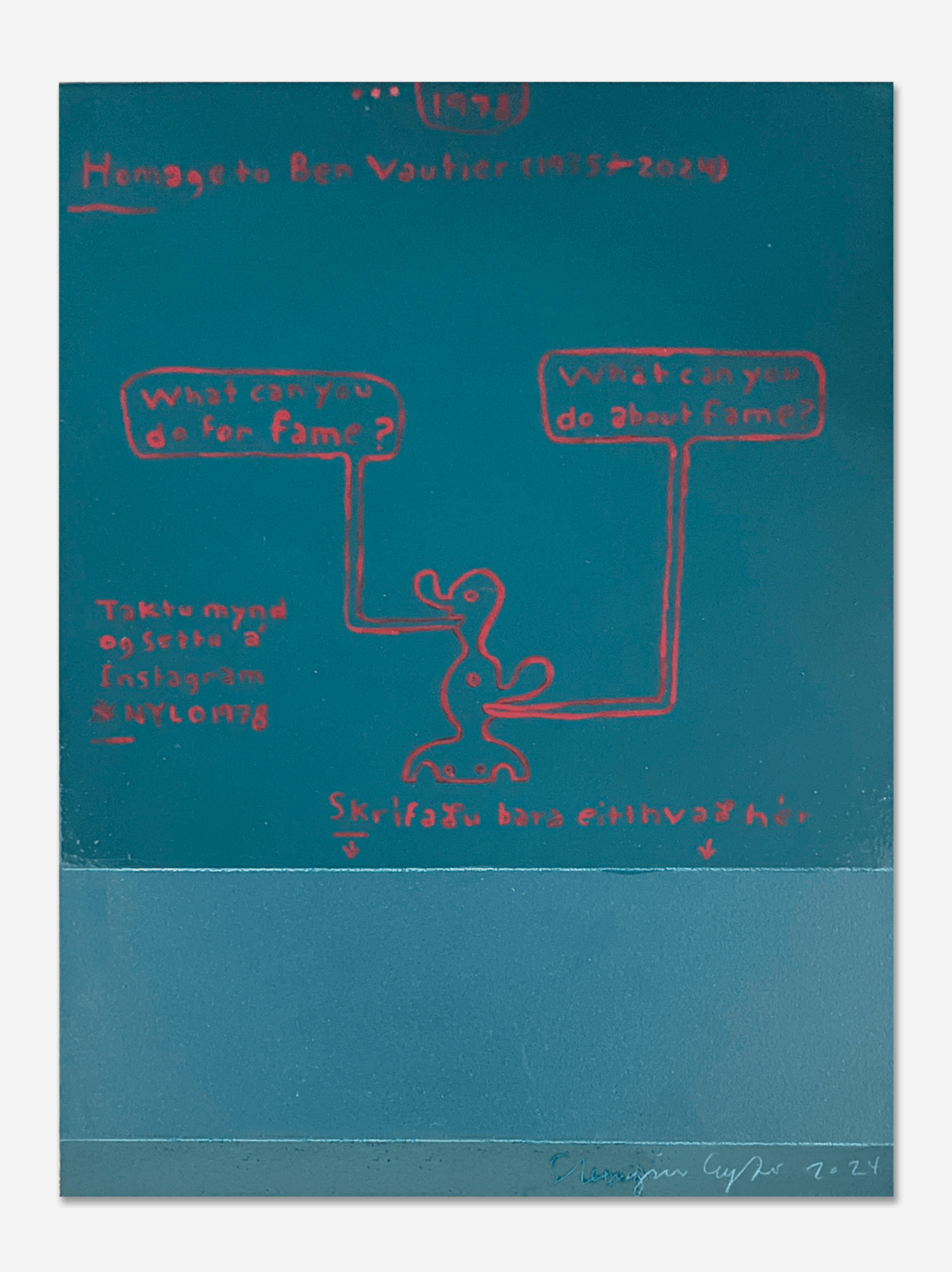
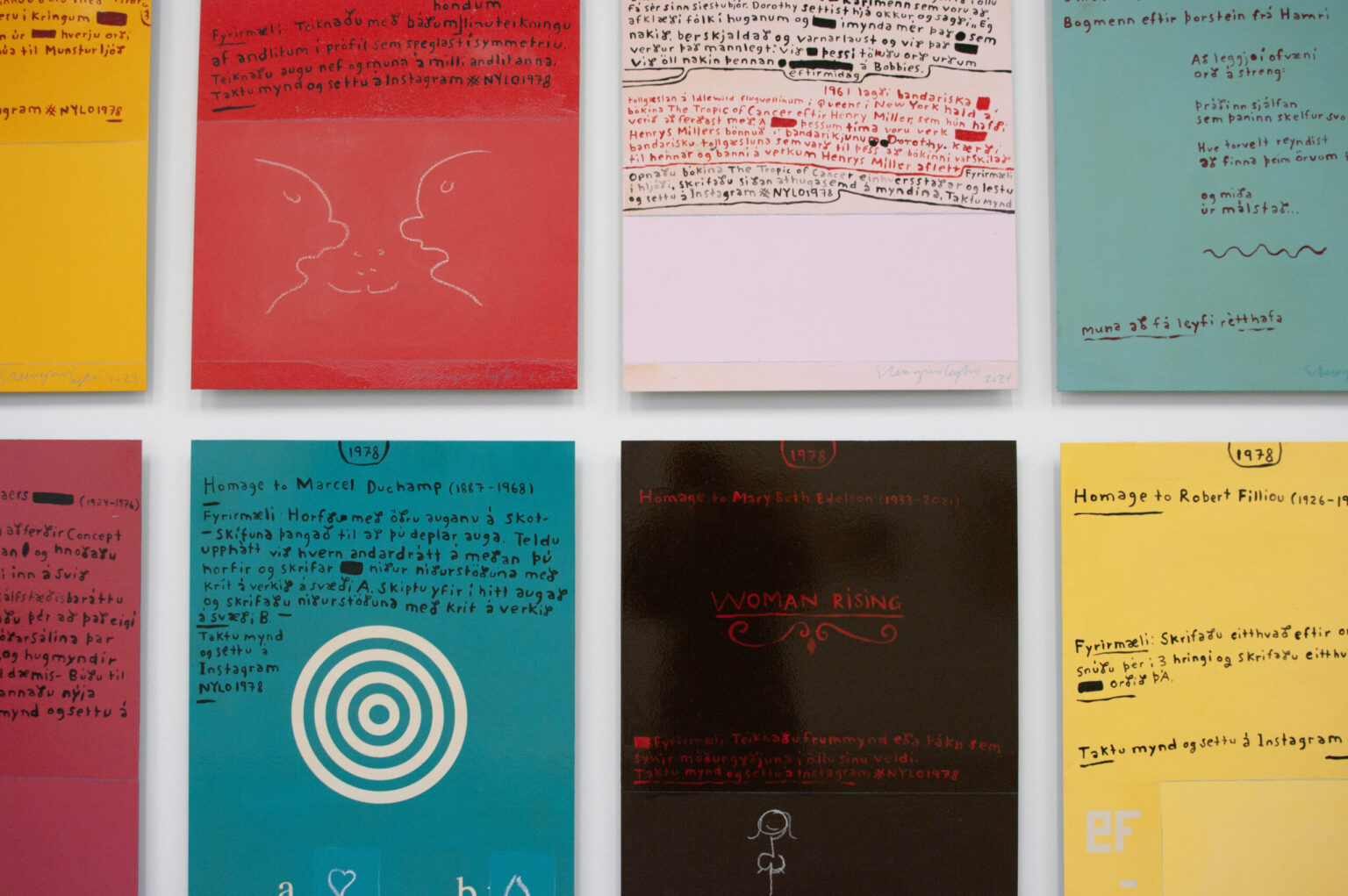
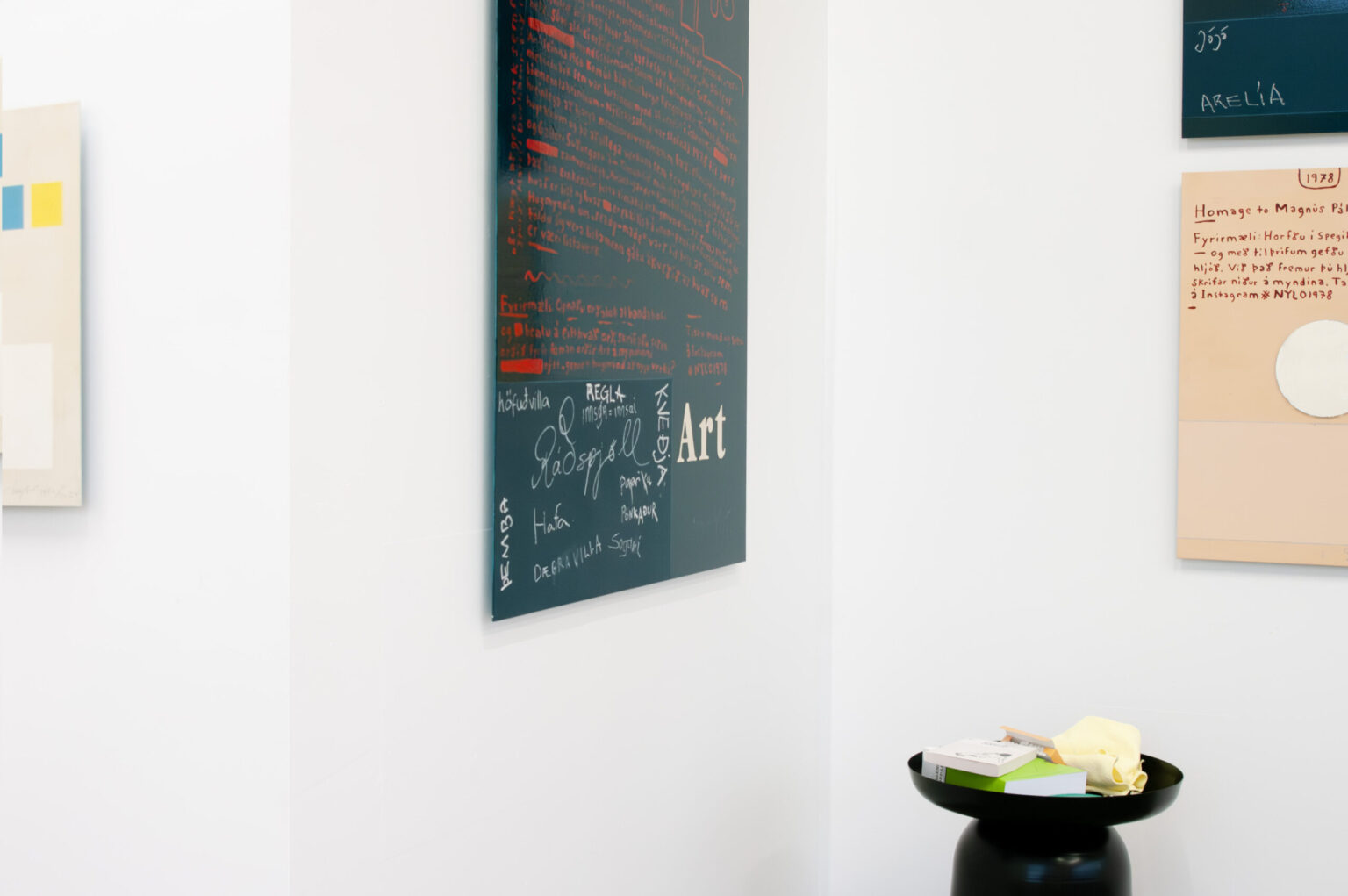
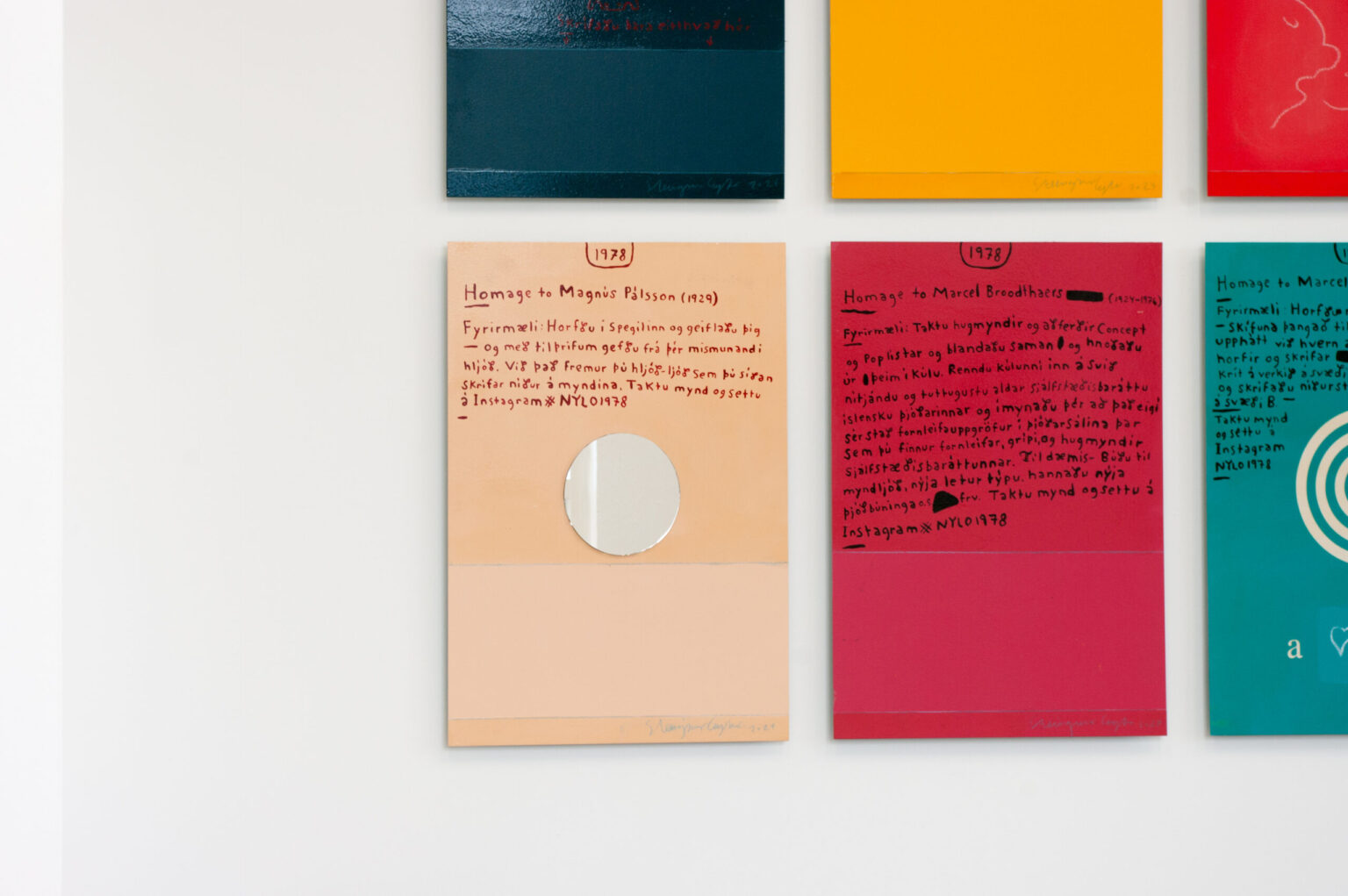
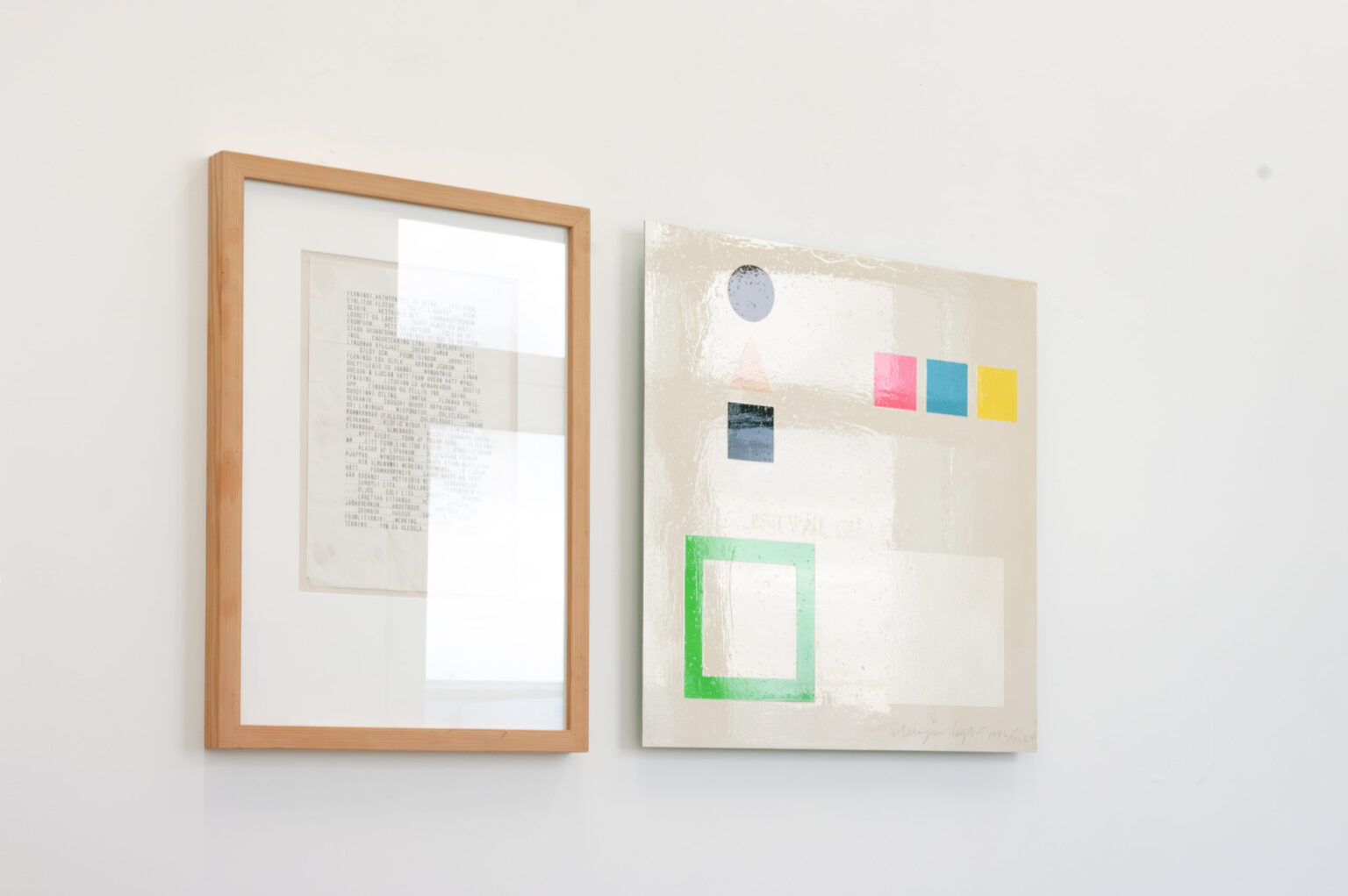
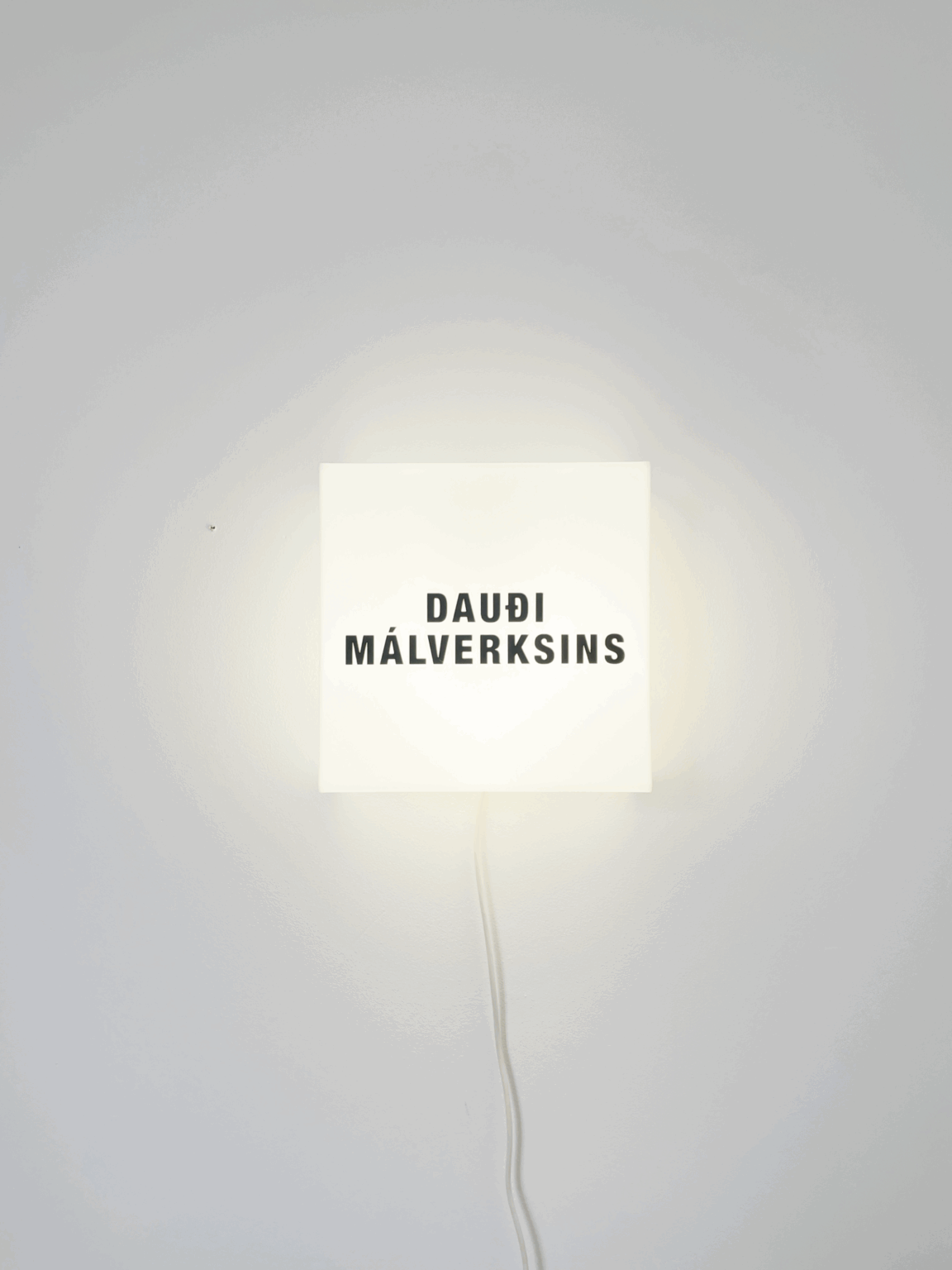
For the exhibition 1978, Steingrímur Eyfjörð has worked with ideas and scripts for works that reference the period from 1957 to 1981 in Icelandic art history. The works in the exhibition are Steingrímur’s reflections on the avant-garde period in Icelandic art history and his personal view on the art history of this time. Art about art, or living art history as he prefers to call it, serves as a counterpoint to the official art history. Part of the exhibition will include a publication that delves into the works on display and written material about the period. It will also feature a conversation that Steingrímur had this summer with Auður Hildur Hákonardóttir, Benedikt Hjartarson, Guðlaug Mía Eyþórsdóttir, Halldór Björn Runólfsson, Margrét Elísabet Ólafsdóttir, and Unnar Örn, where the topic was the historical development of visual art during this specific period in Icelandic art history.
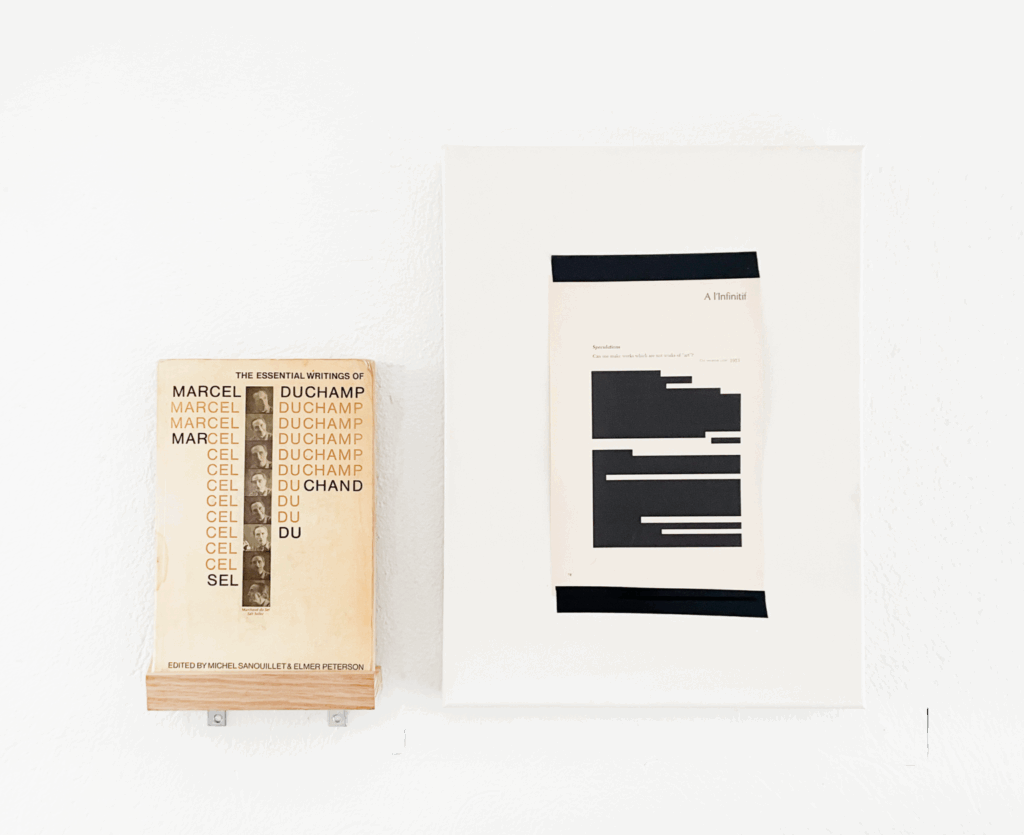
“In the spring of 2023, I began to consider creating personal art-historical works based on a real avant-garde period in Icelandic art history, a period that lasted from 1957 to 1980. This era began when Dieter Roth moved to the country in 1957, saw the establishment and demise of Gallery Suðurgata 7 and the magazine Svart á hvítu, and the Living Art Museum’s permanent move to Vatnsstígur 3b. The Living Art Museum was founded in 1978, and Suðurgata 7 in 1977. The SÚM group, founded in 1965, marked a paradigm shift in Icelandic art. Oil painting ceased to be the dominant medium, giving way to entirely new media and ideas. Marcel Duchamp’s readymade concepts and Dick Higgins’ idea of intermedia had a significant impact. If you called yourself an artist, you could claim that anything was art, and everything was a potential artwork. The question became: what is art and what isn’t? After 1980, the focus shifted to what could be sold and what could not be sold as an artwork.
During this period, art was created on its own terms and made its own history. Both Gallery SÚM and Gallery Suðurgata 7 were non-profit, artist-run spaces, as was the Living Art Museum. After 1980, many non-profit, artist-run spaces emerged, but most only survived briefly, with the exception of Kling og Bang, which celebrates its twentieth anniversary this year.
Historical awareness was very strong at the time. Everything undertaken was seen as a necessary historical advancement. Icelandic artists were in contact with other artists worldwide, engaged in similar activities with artist-run spaces and publishing efforts. All activities aimed to educate the public about new approaches in the arts. George Brecht and Robert Filliou referred to these networks as The Eternal Network. There was no central hub; the centre was wherever you were. Filliou sent letters to everyone in this network, connecting Suðurgata and integrating it into the wider movement. This made us feel part of the international historical advancement of art. SÚM, Suðurgata 7 and later Nýlistasafnið (The Living Art Museum) were parts of a larger whole, an international movement. We wanted artists to dominate their own history, setting the agenda for artists rather than art galleries, art historians and commercial galleries. We are the story, and we tell and write the story of art. That was the declaration of The Living Art Museum when it was founded. It aimed to save new art from forgetfulness and destruction, allowing artists to write their own stories.
It can be said that Selma Jónsdóttir, the director of the National Gallery of Iceland (1961–1987), helped create The Living Art Museum. The National Gallery of Iceland had completely ignored everything considered new art. When Bera Nordal took over as director of the National Gallery in 1987, she began acquiring works by the SÚM artists and younger artists to fill the gap in Icelandic art history left by Selma.
When I began considering an exhibition of reflective works about the avant-garde period in Icelandic art history, I decided to create pieces that offer a personal view of art history. The agenda shifts from the hands of art historians, art galleries and commercial galleries to the hands of the artists themselves. All artists have their own personal view of art history, which could be called a living art history. This history needs to be told as a counterpoint to the official art history.”
Reykjavík, Jónsmessa, 24 June 2024
Steingrímur Eyfjörð