Classification

12.06.–22.08.2021

Reykjanes Art Museum

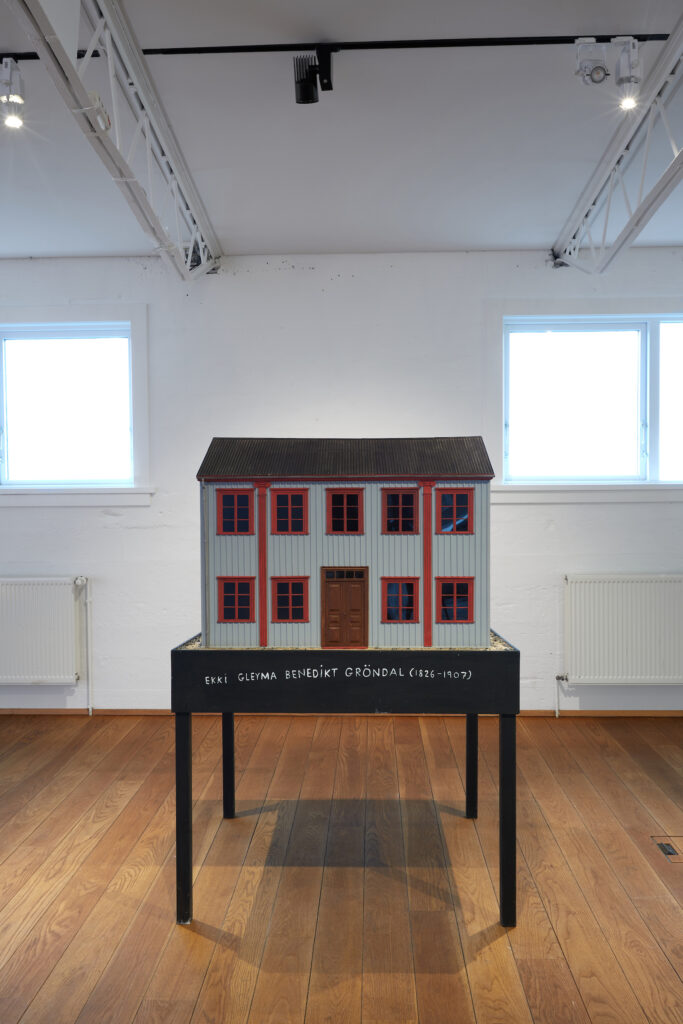
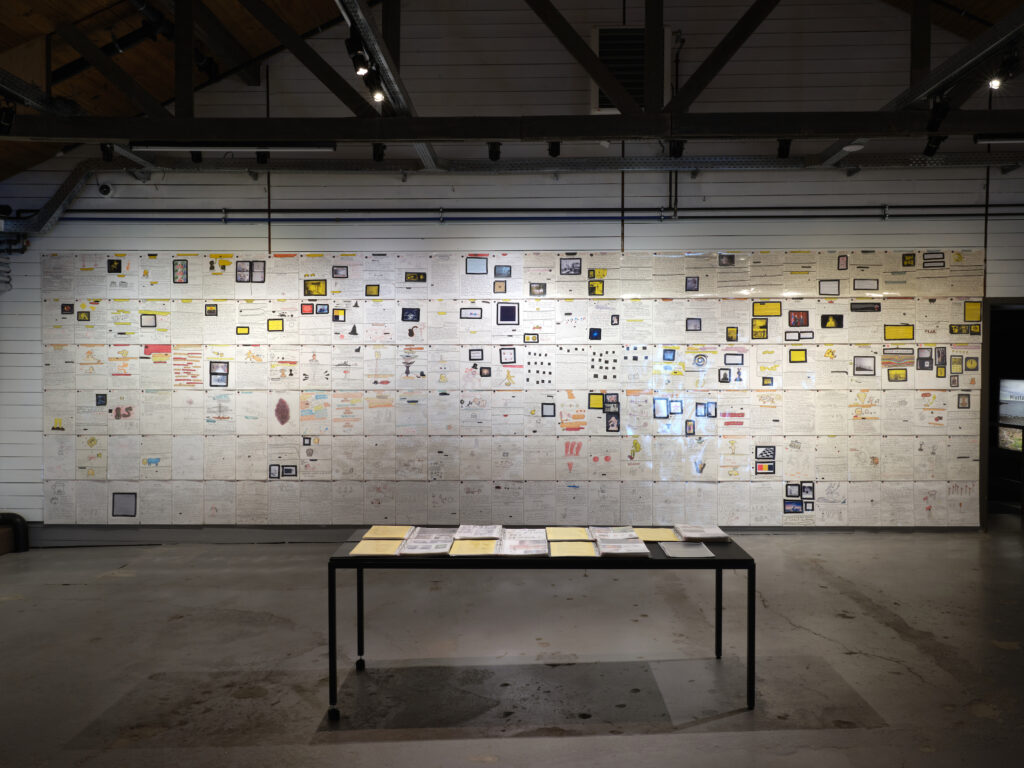
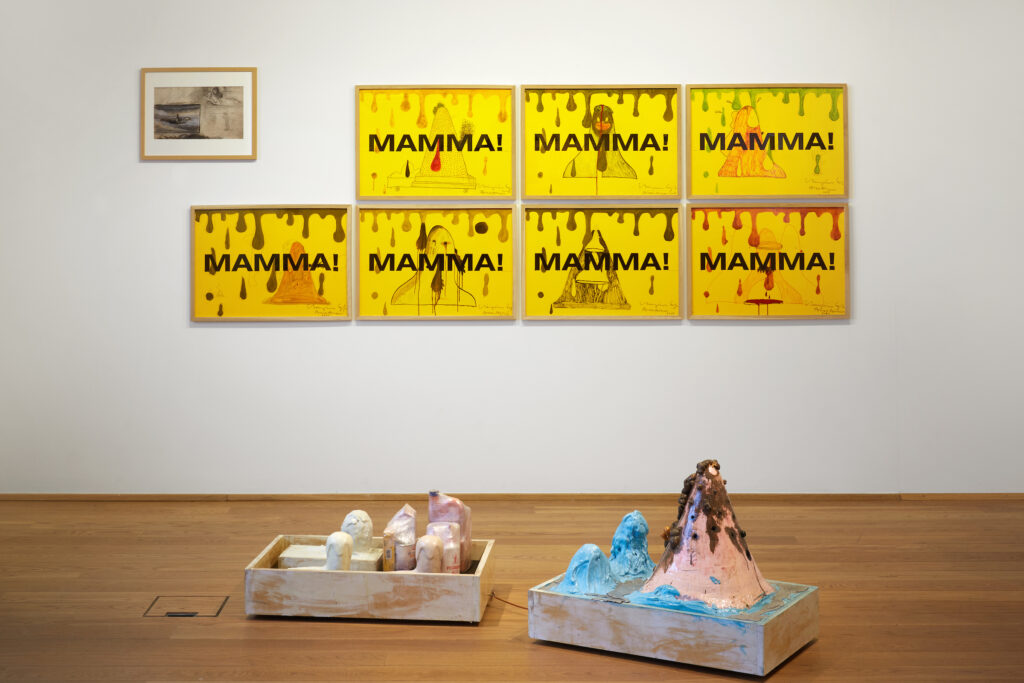
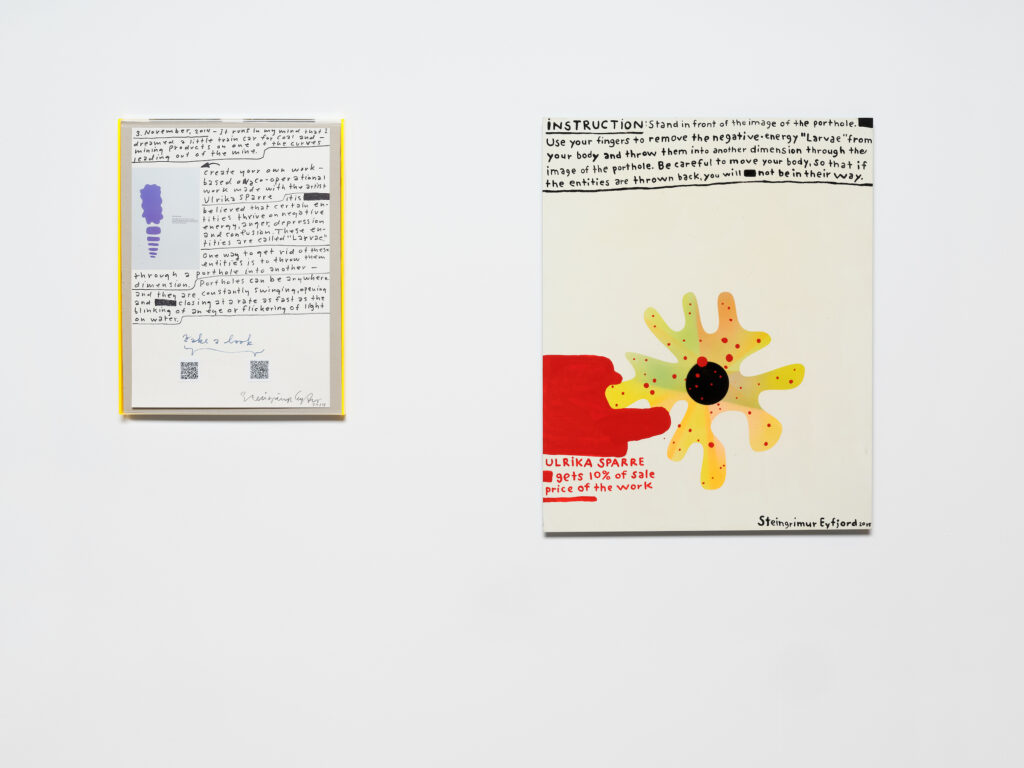
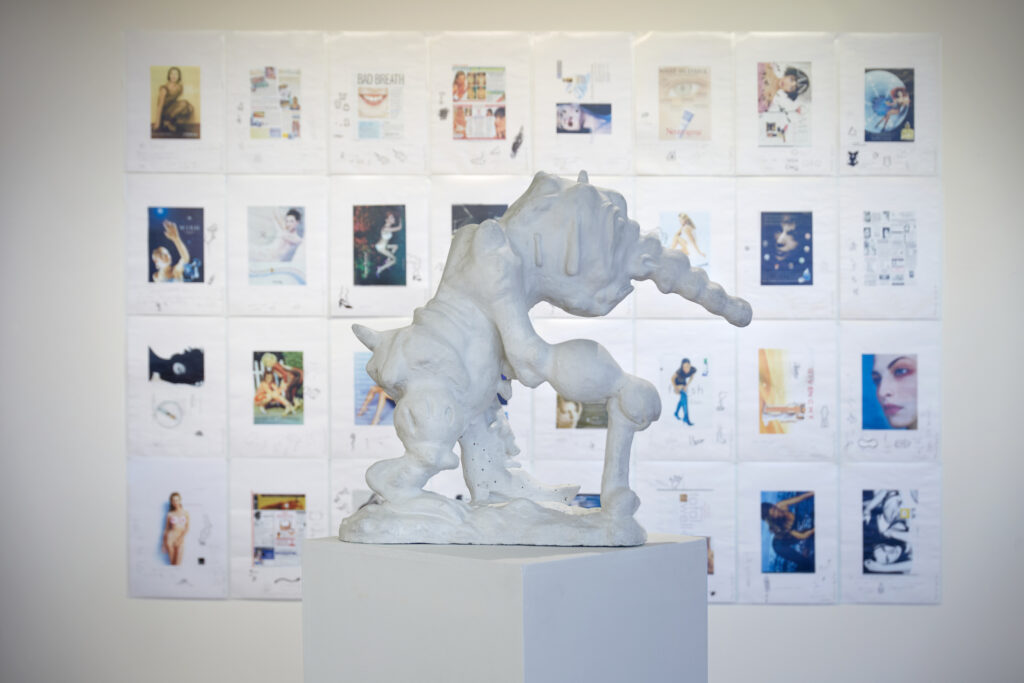
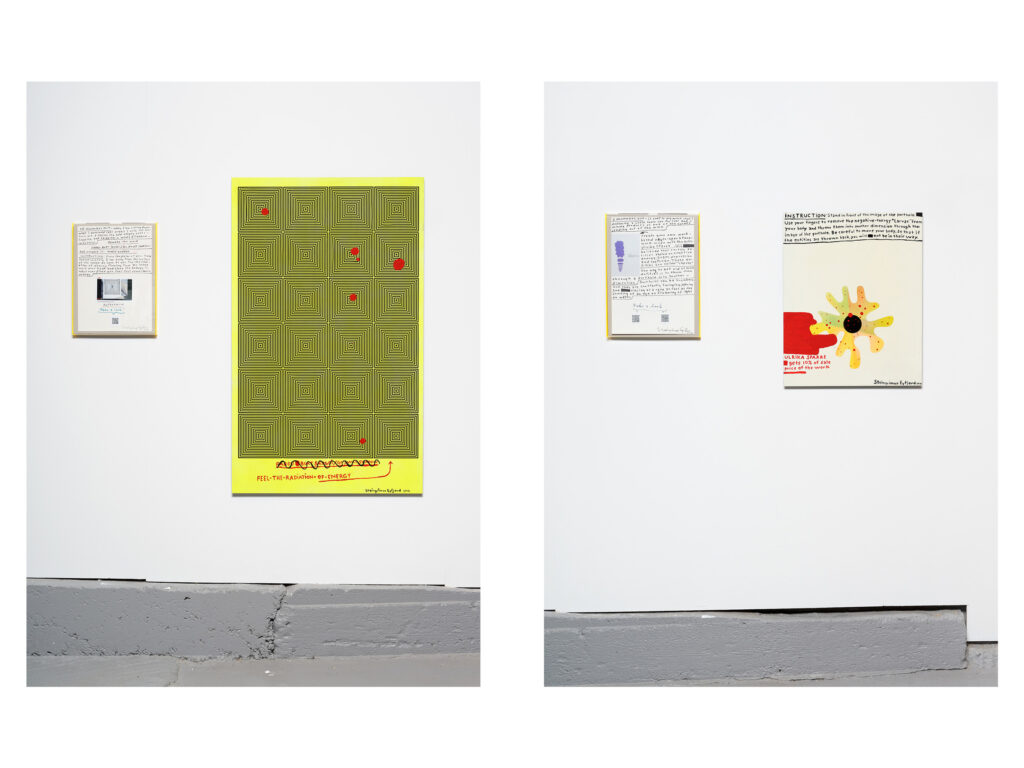
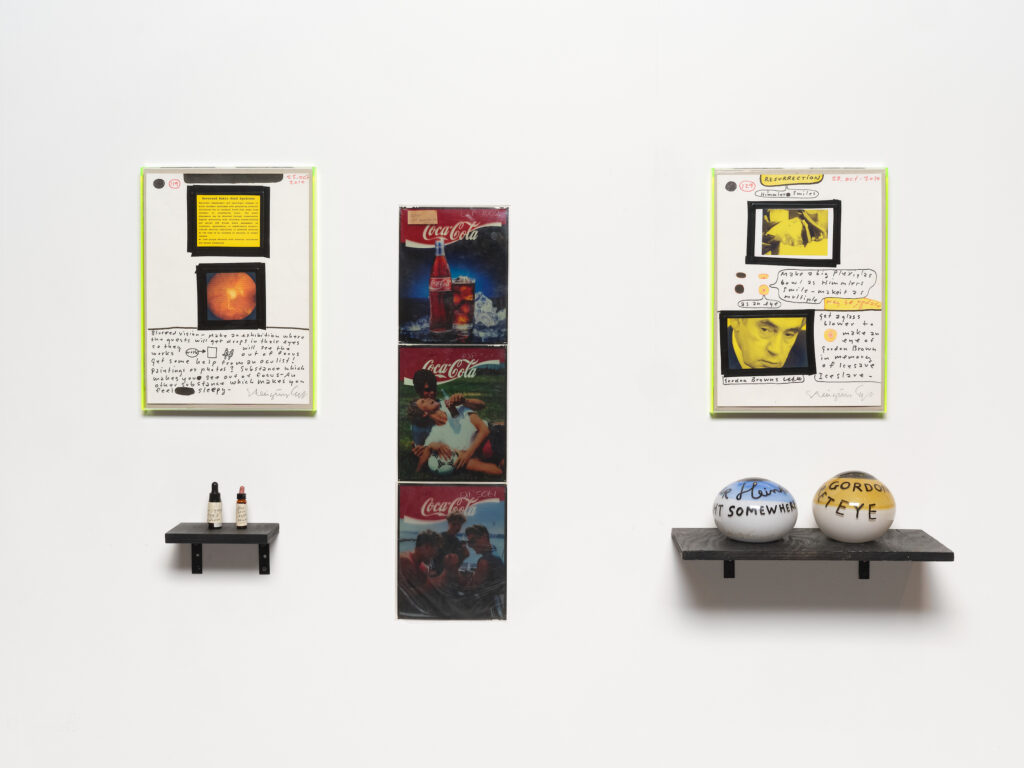
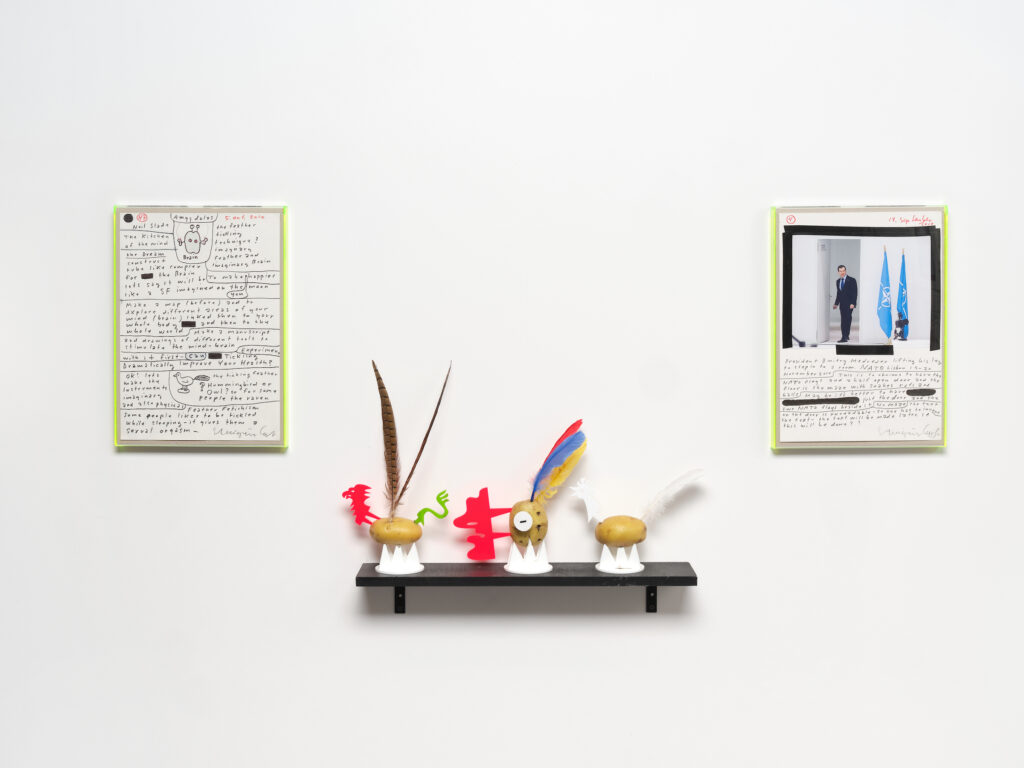
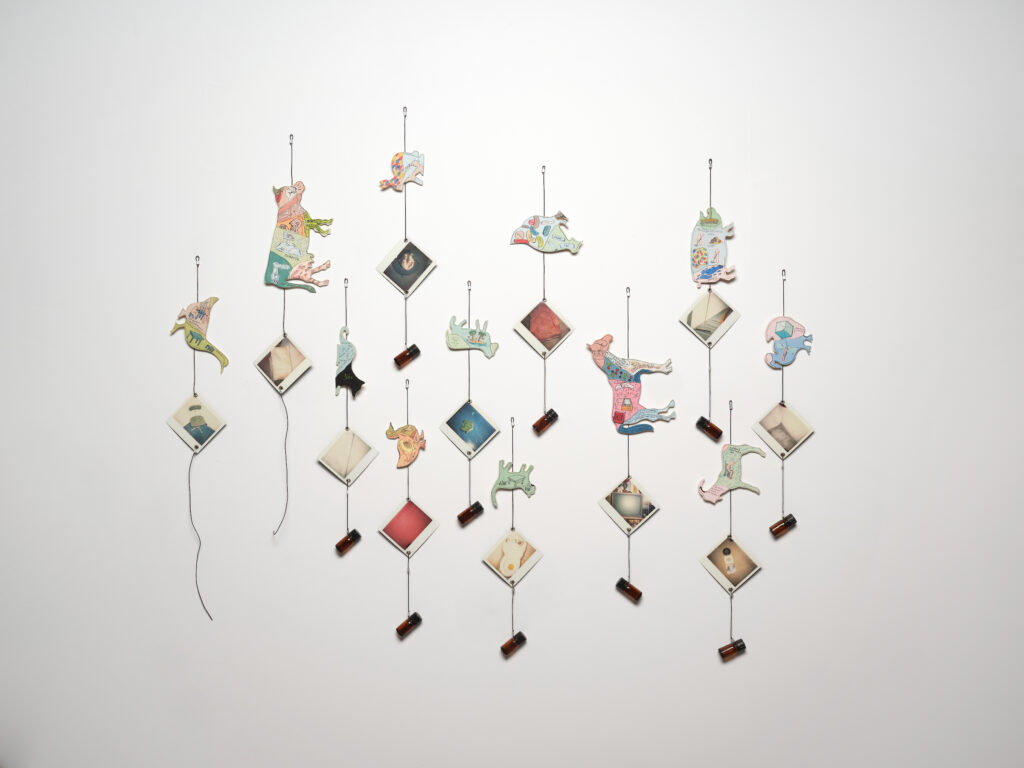
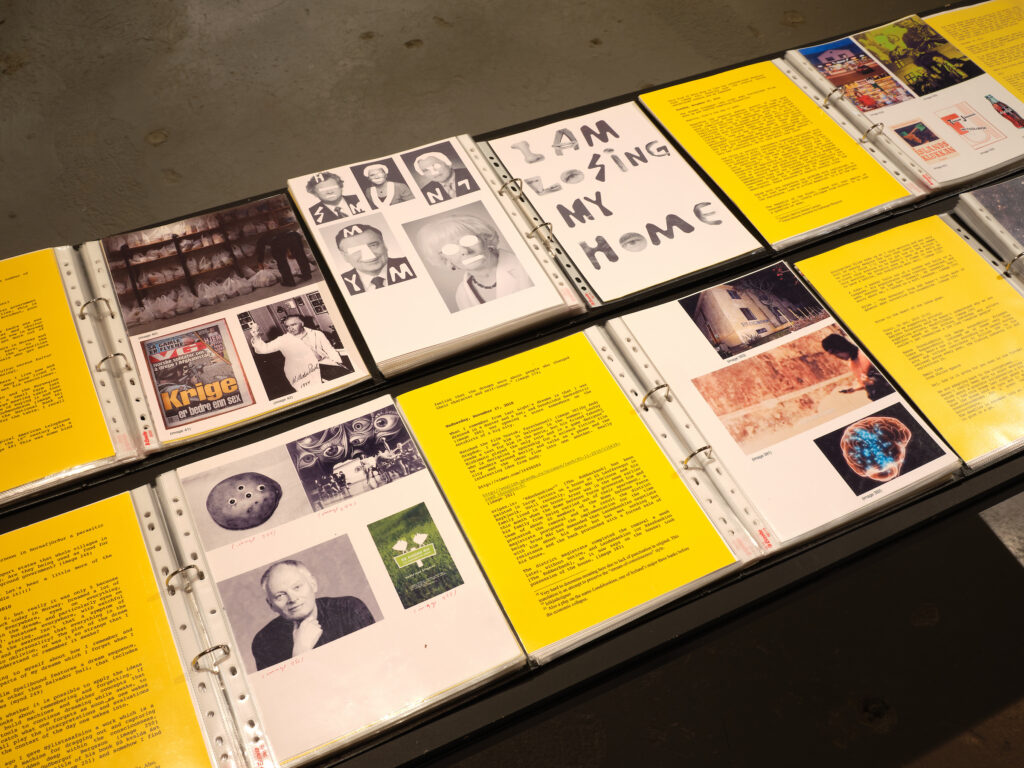
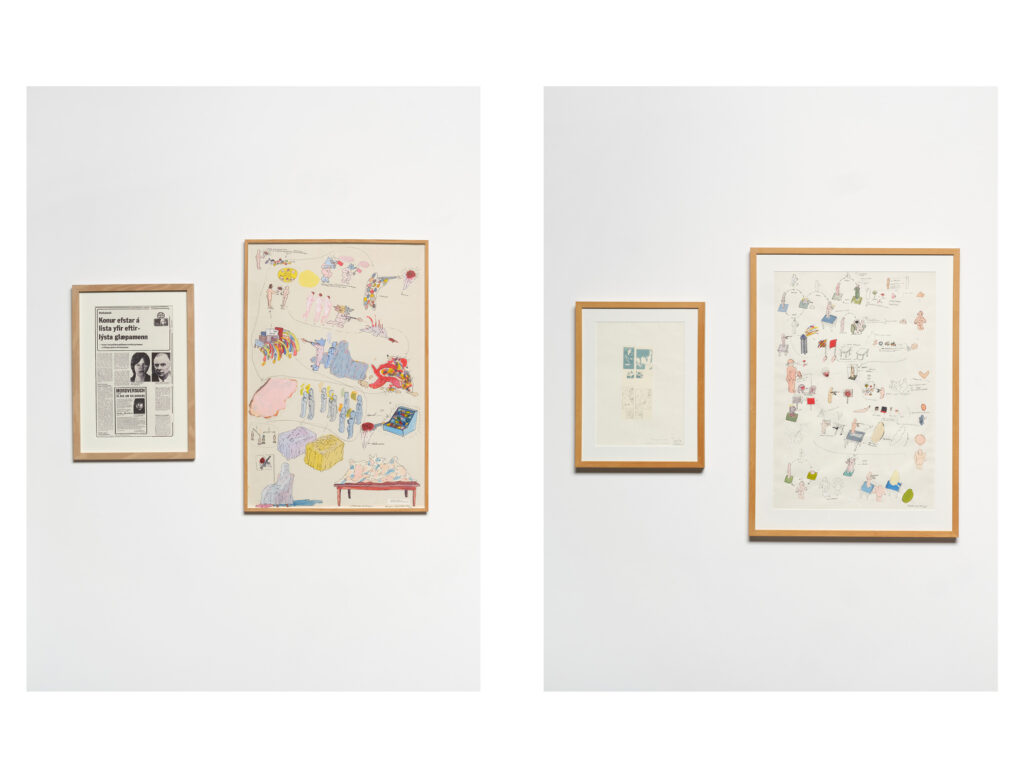
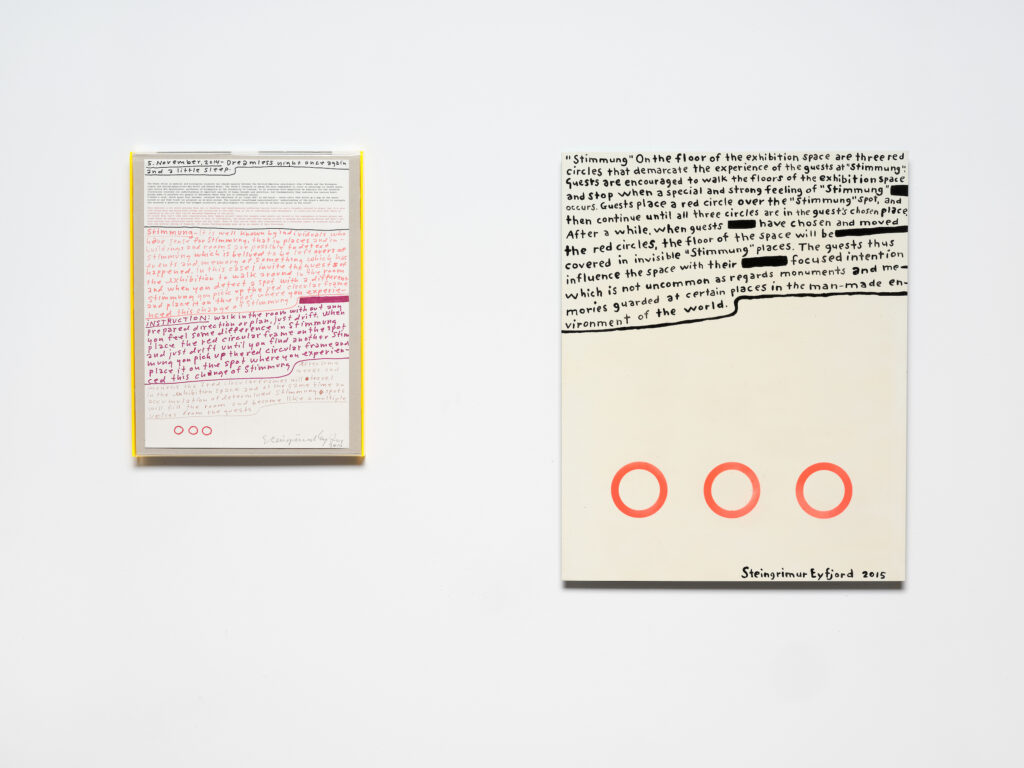
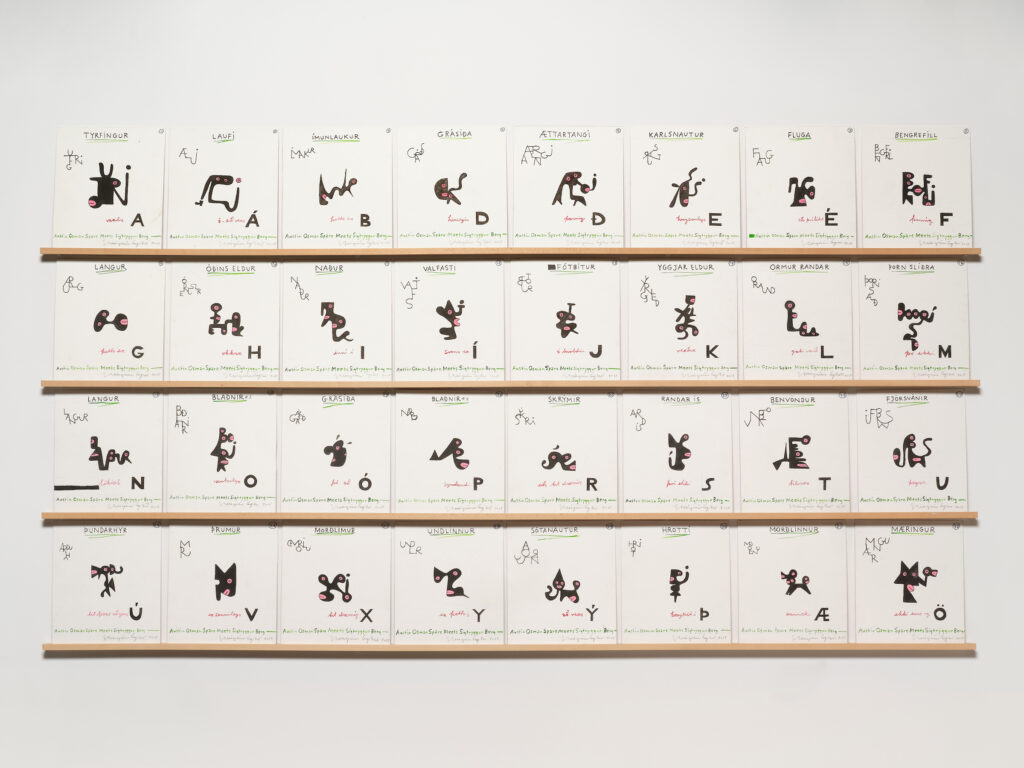
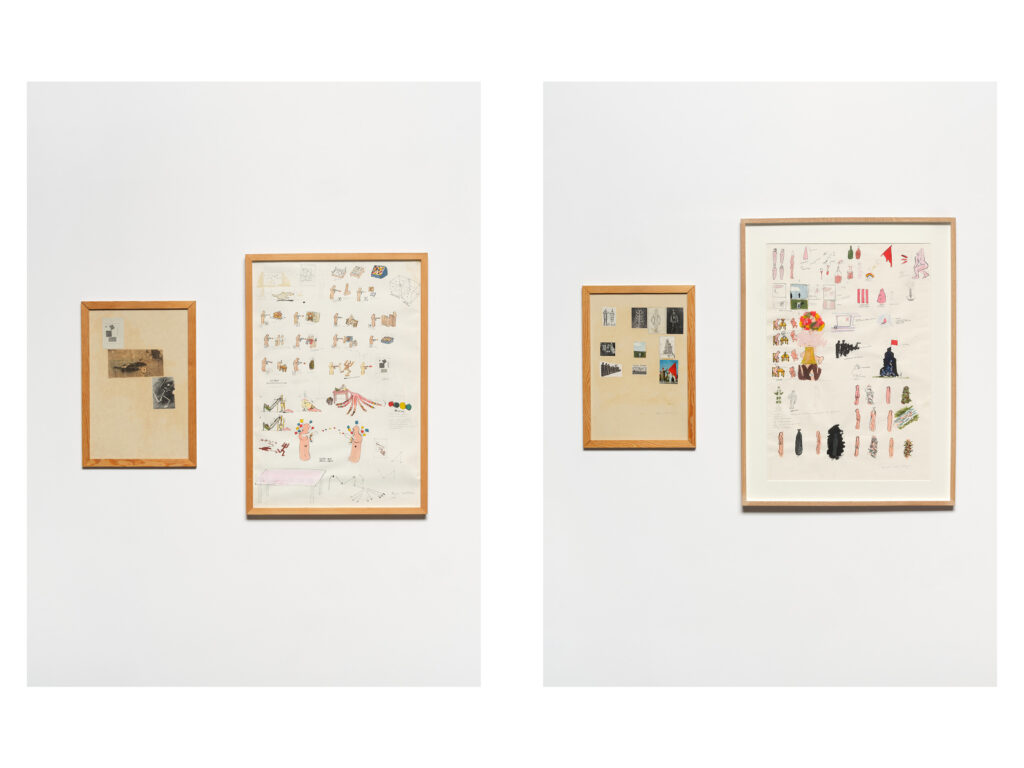
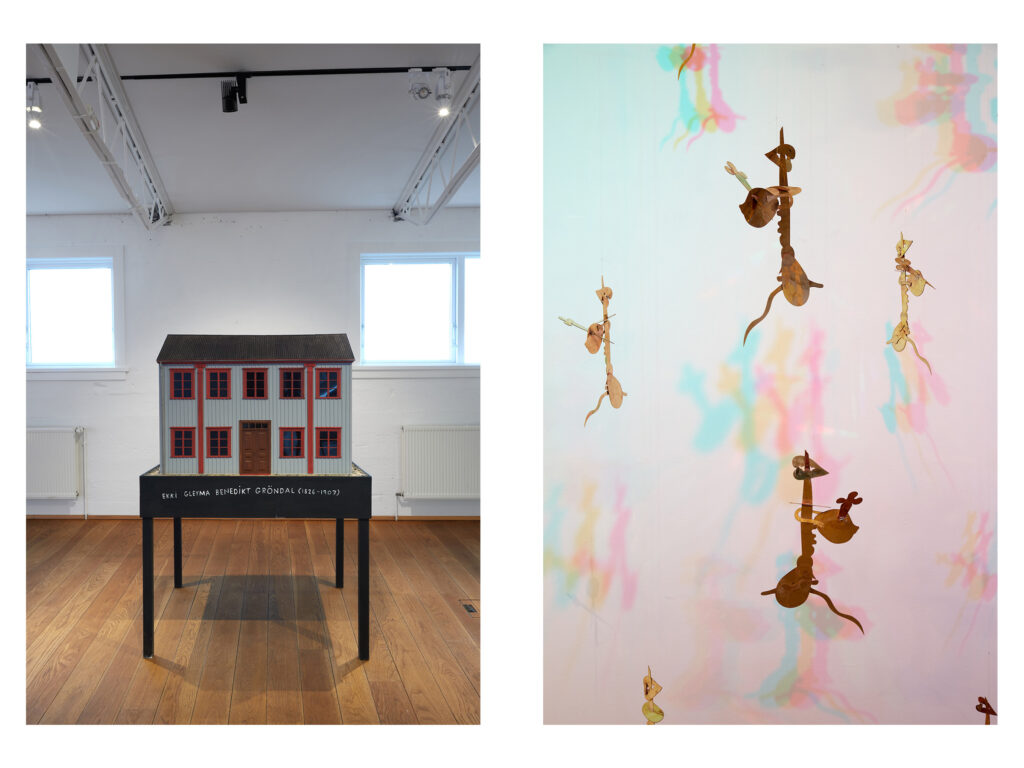
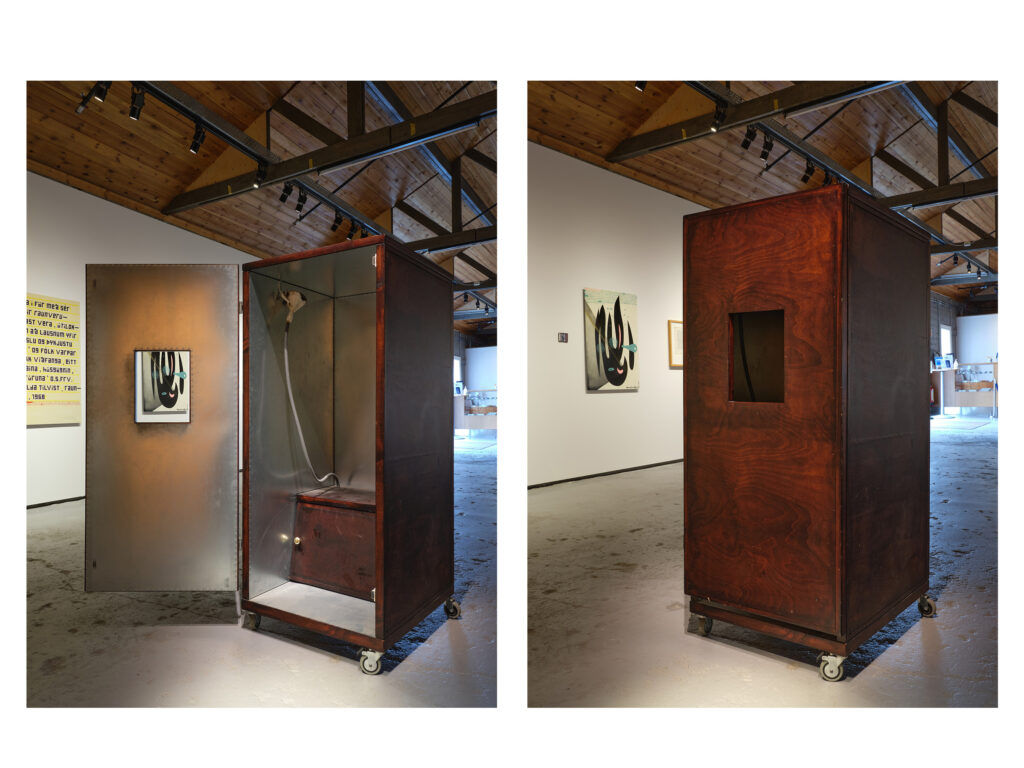
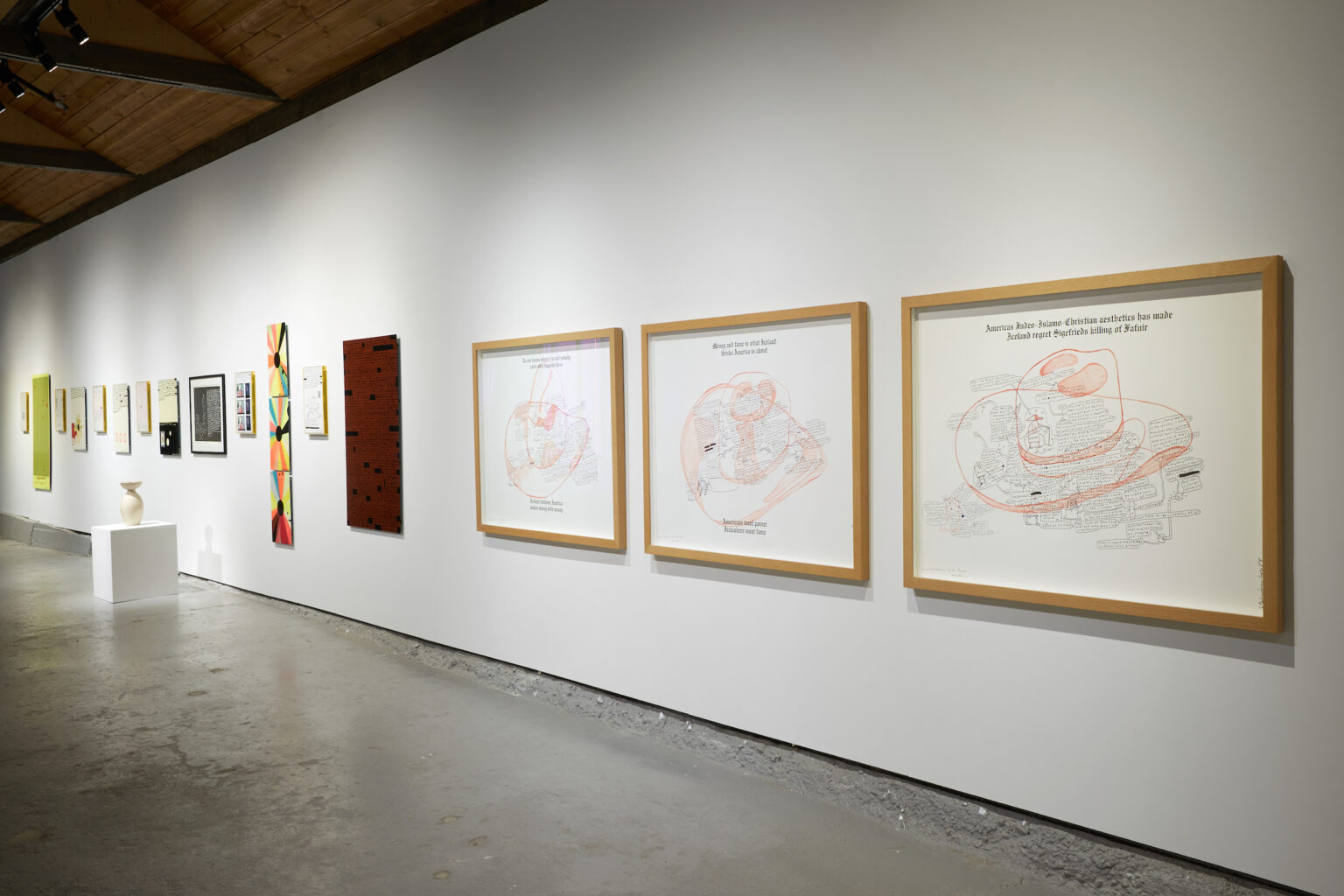
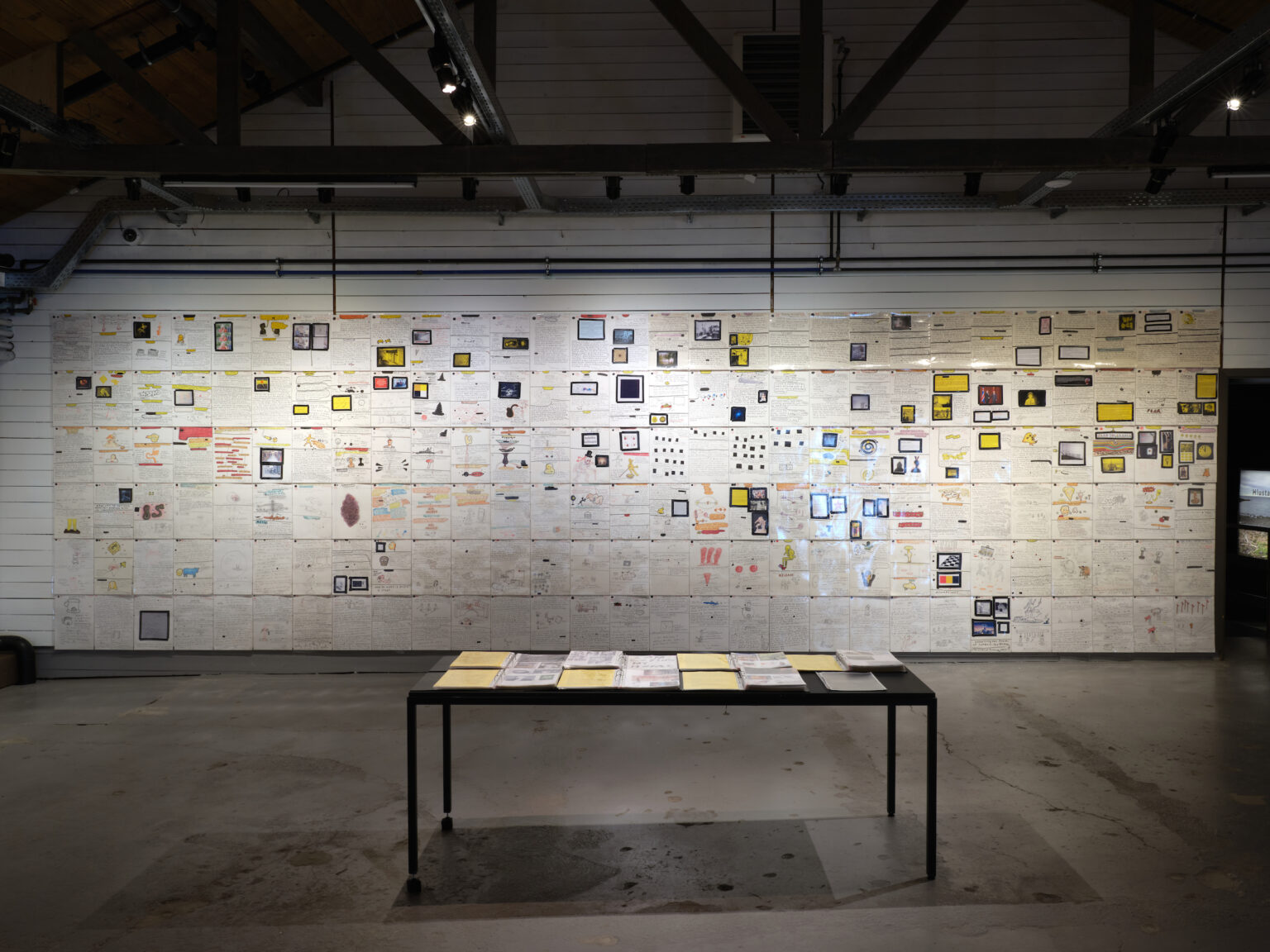
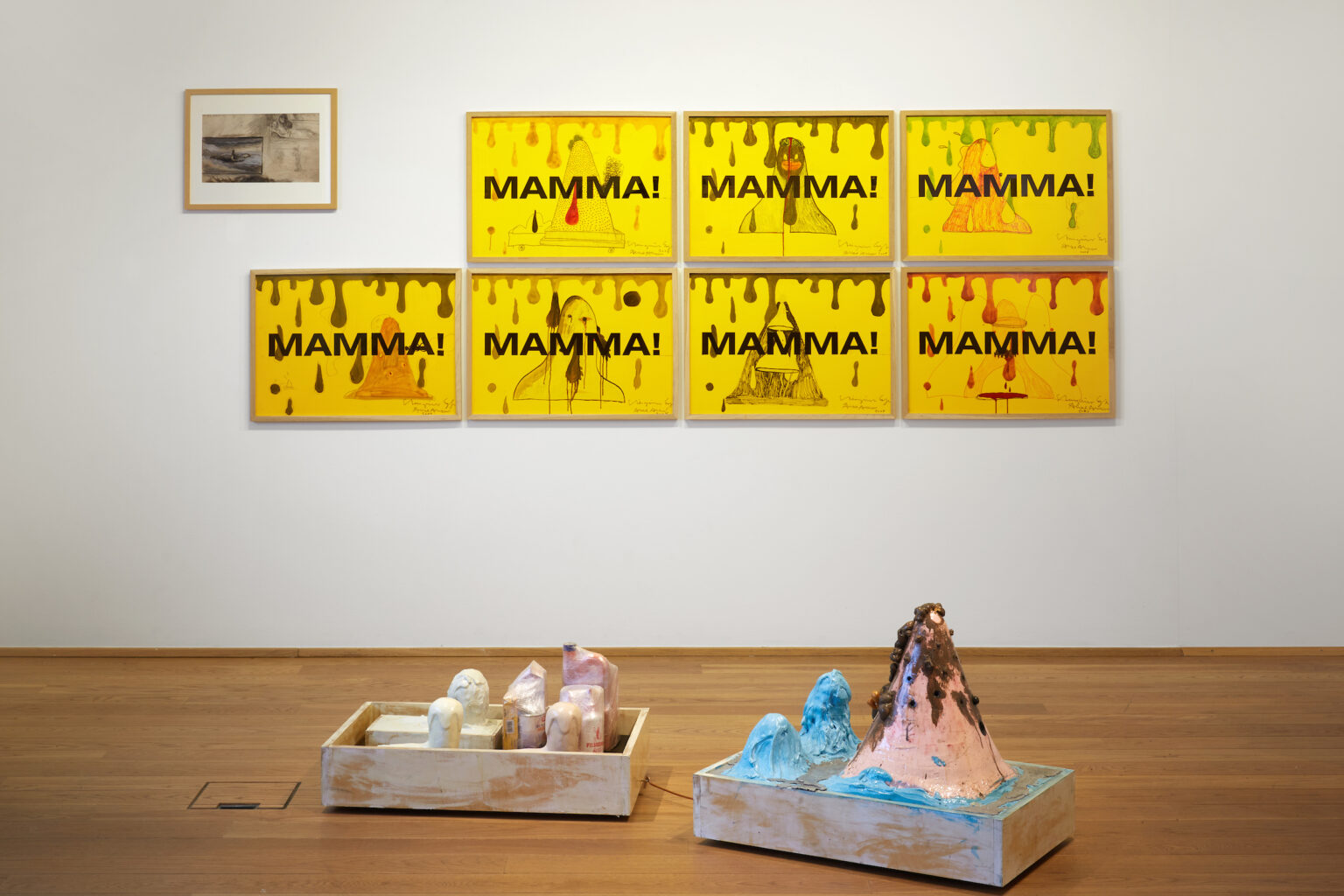
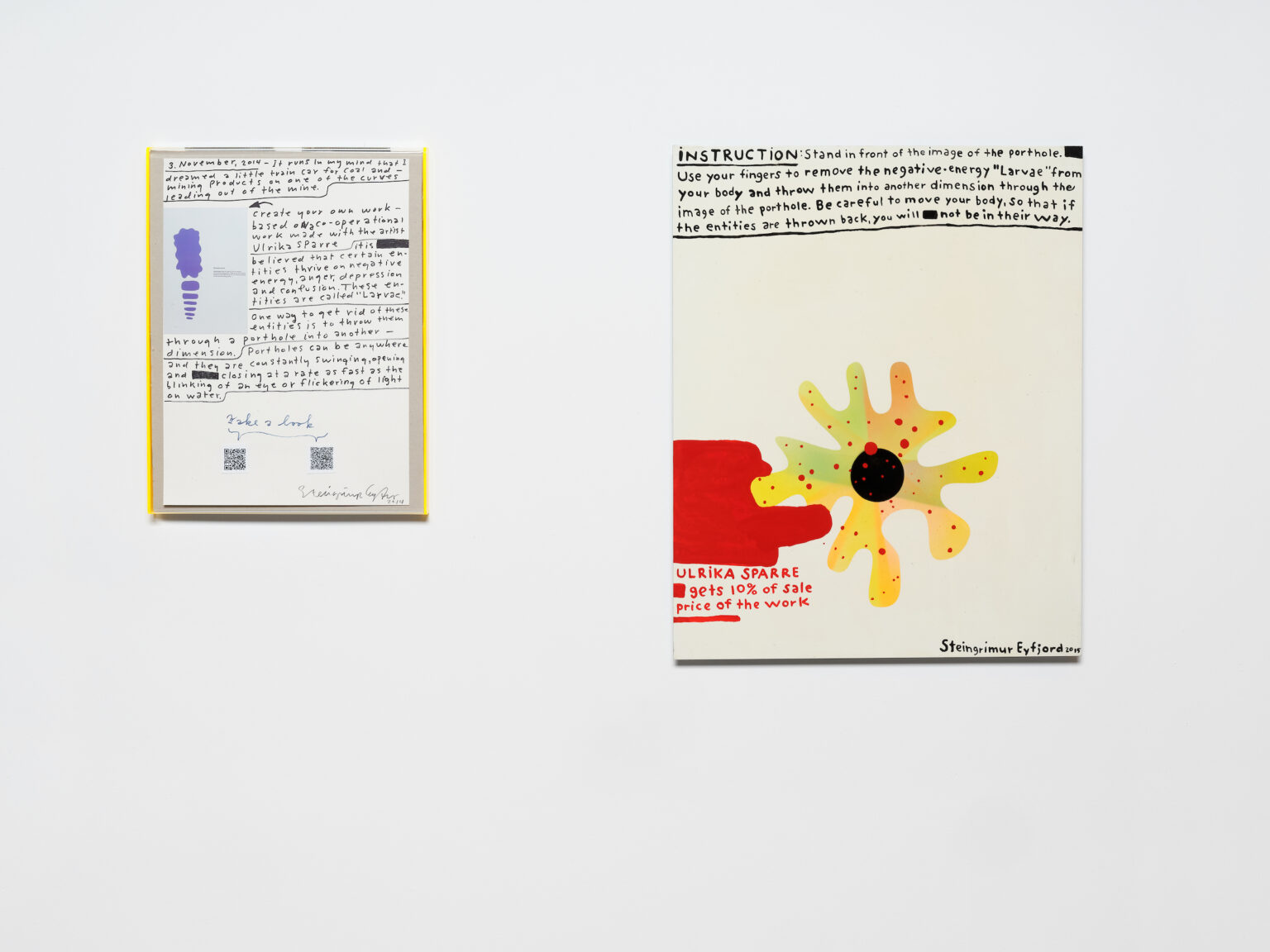
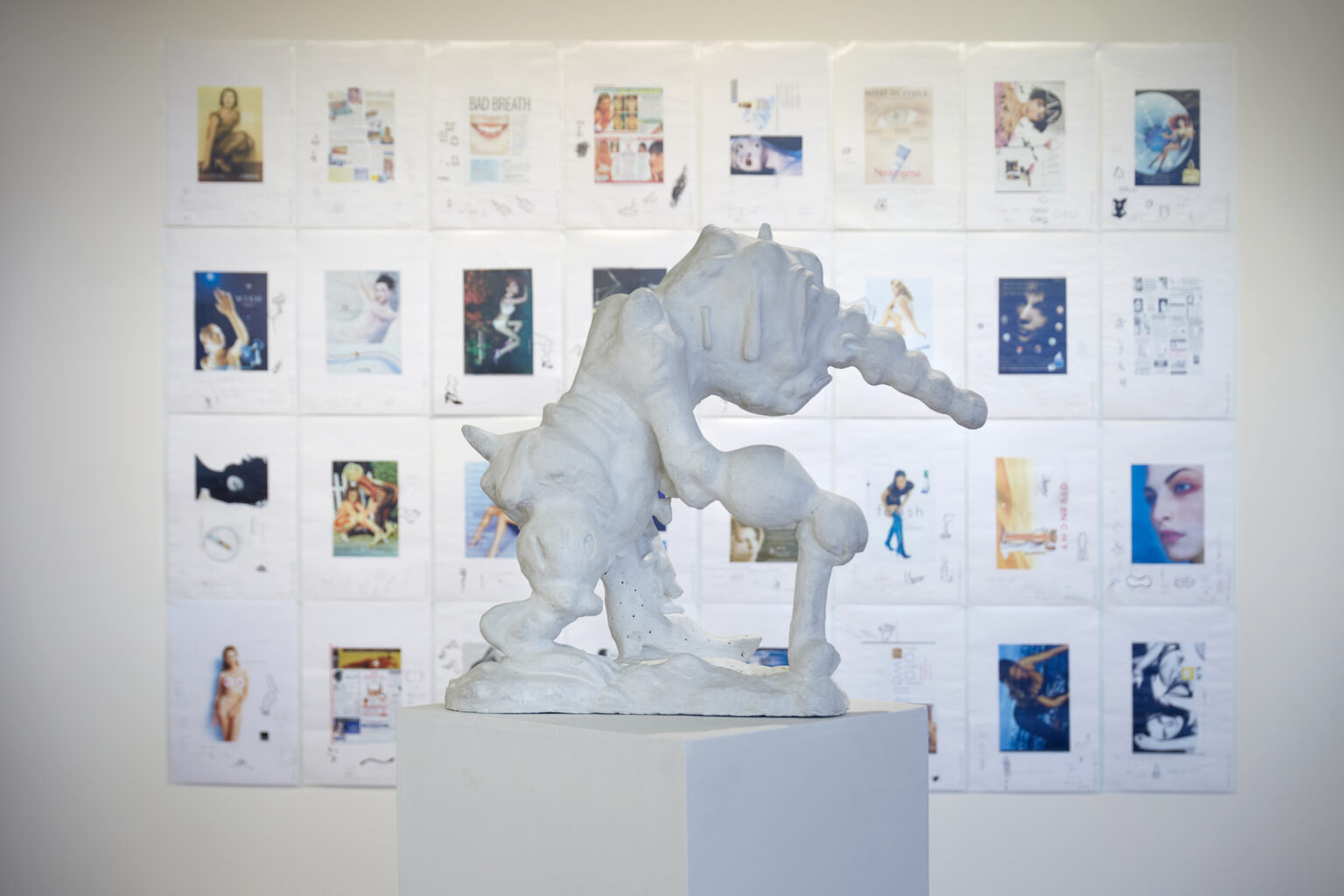
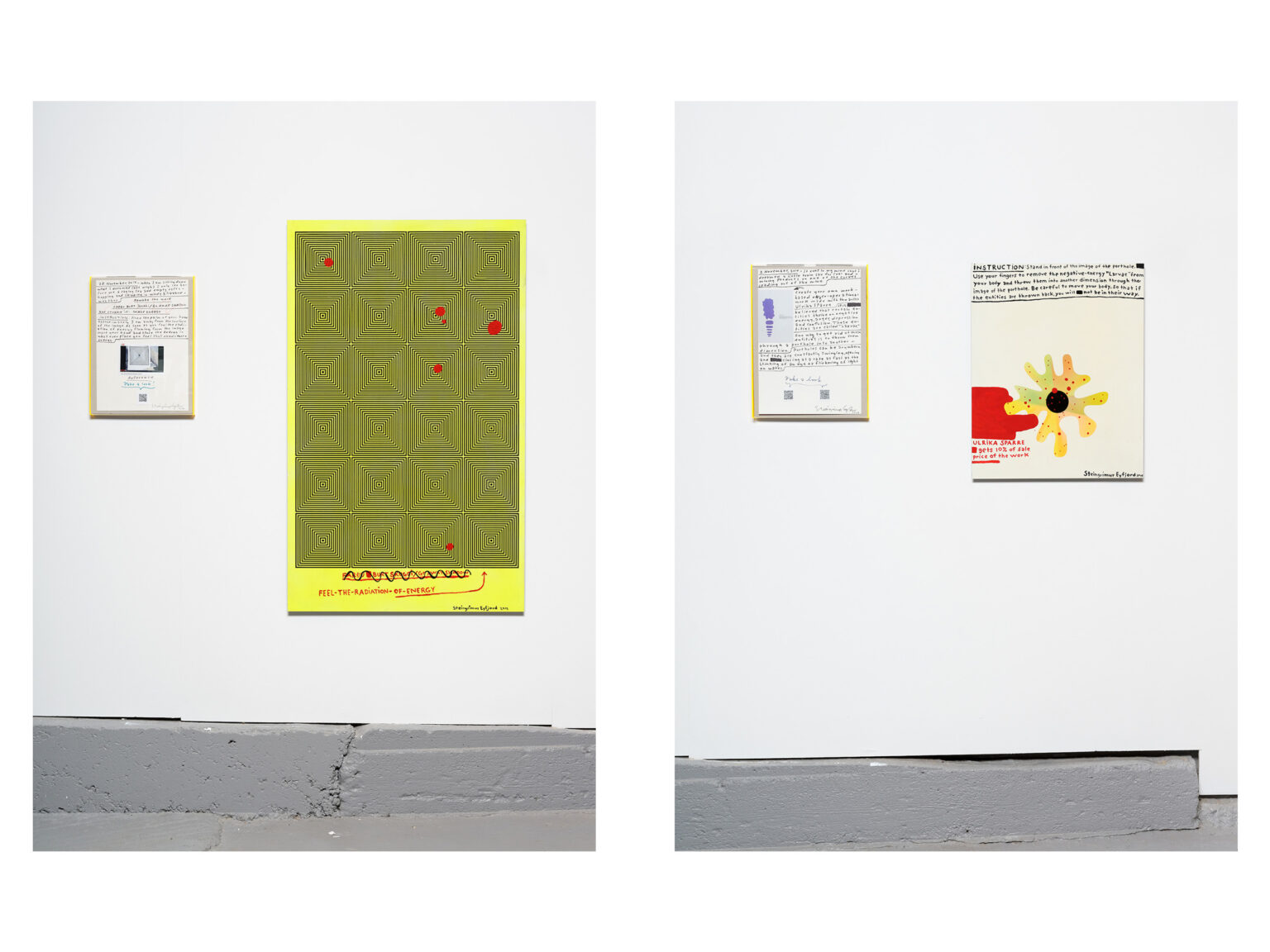
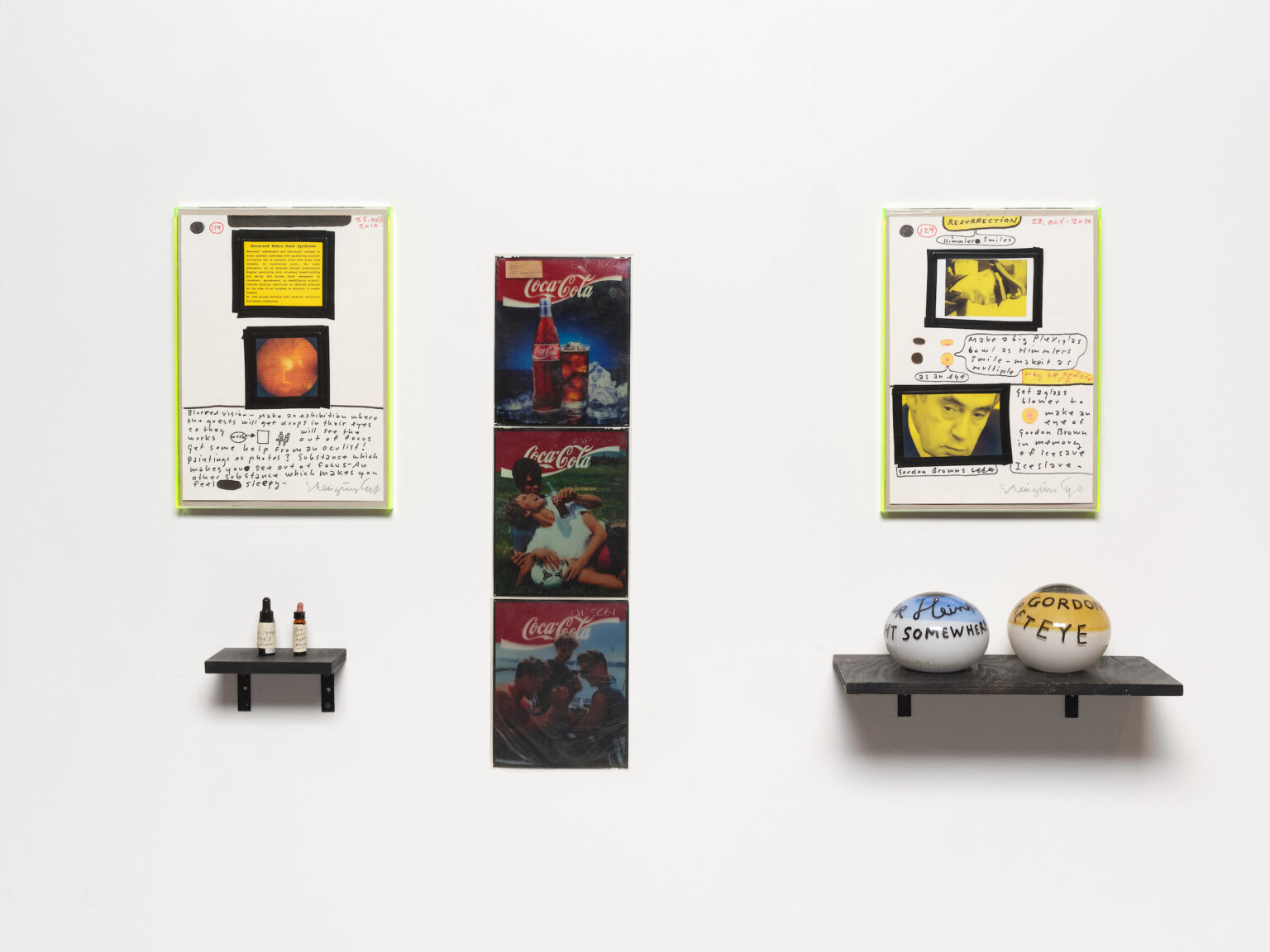
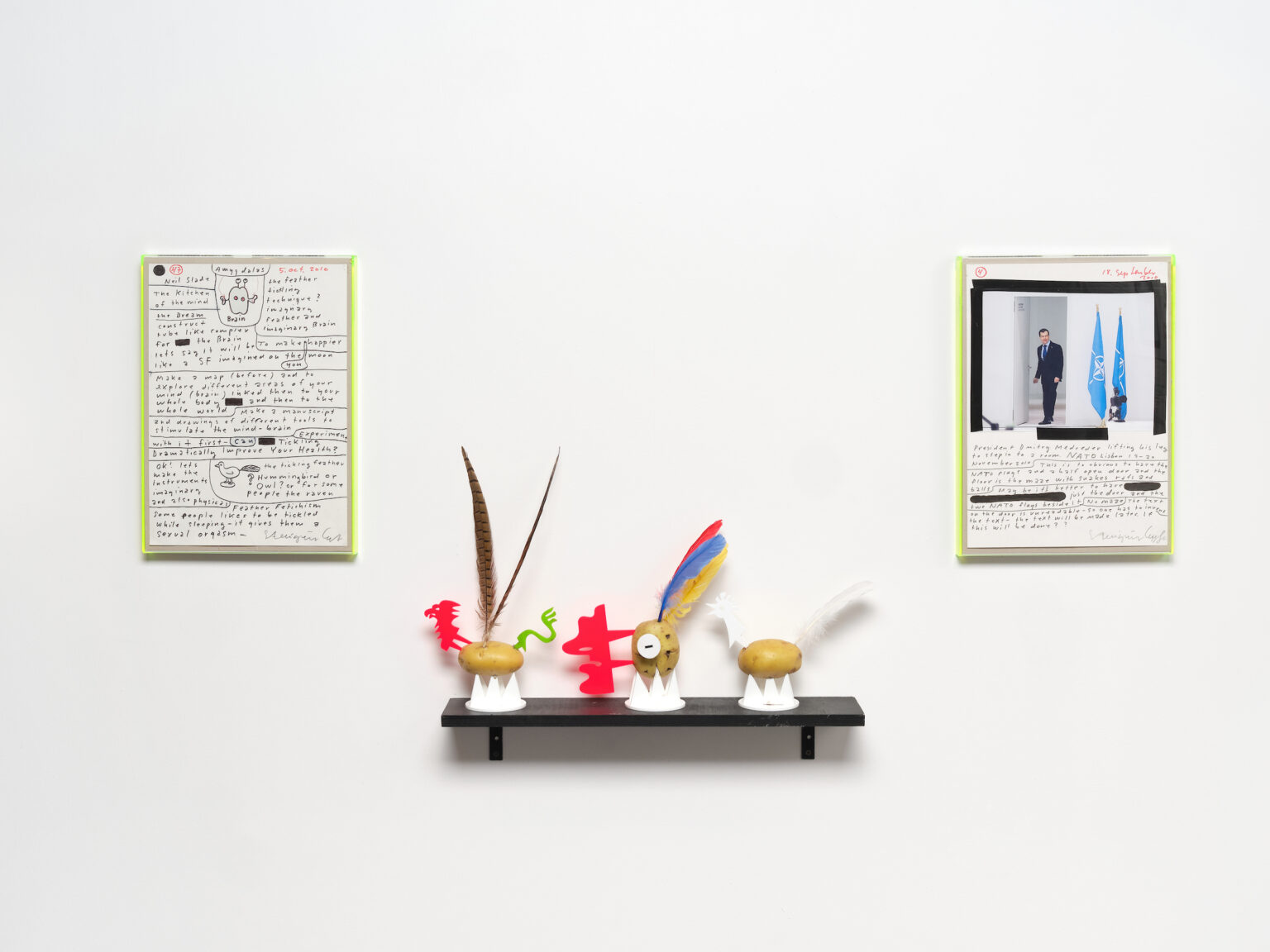
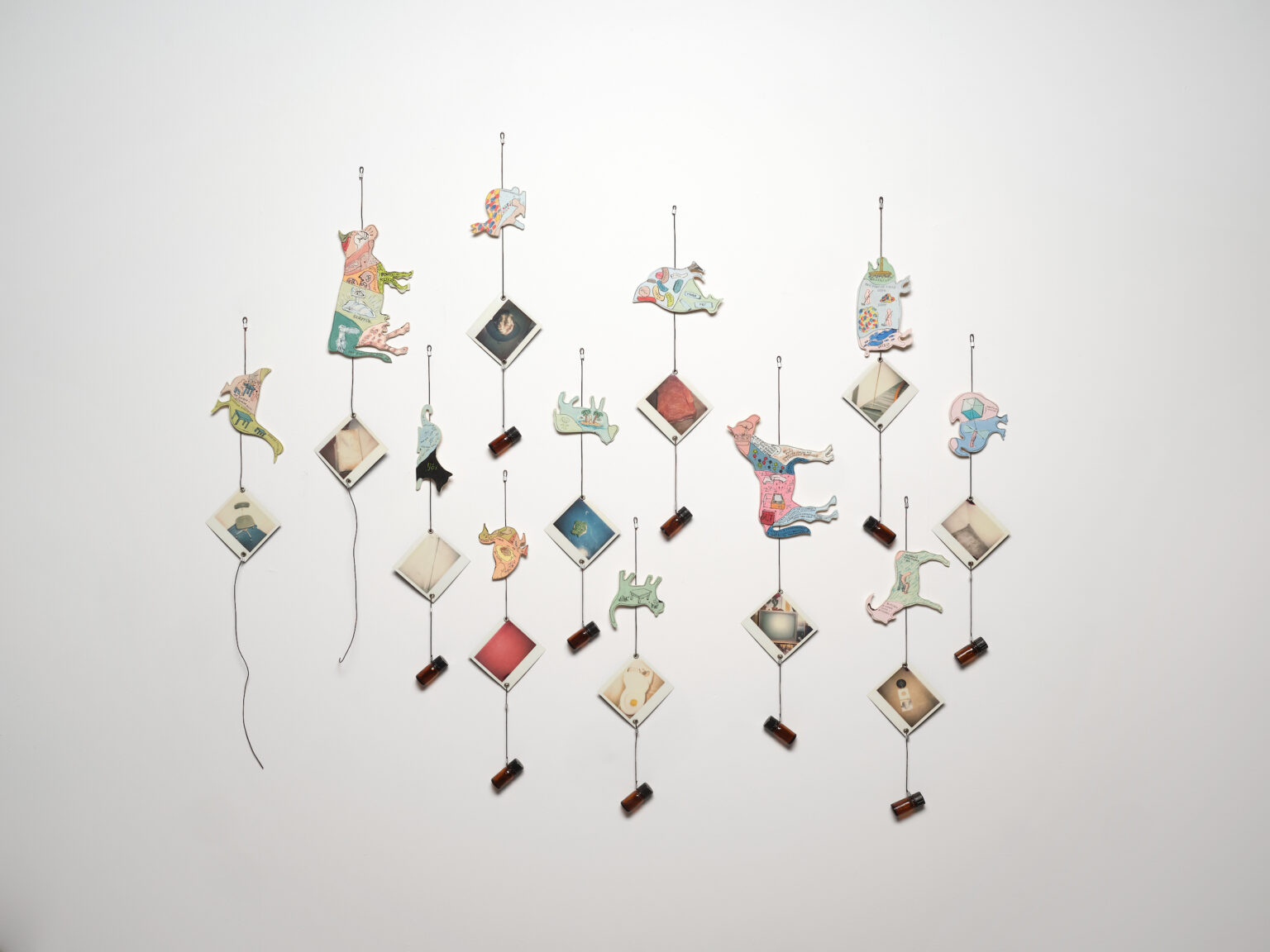
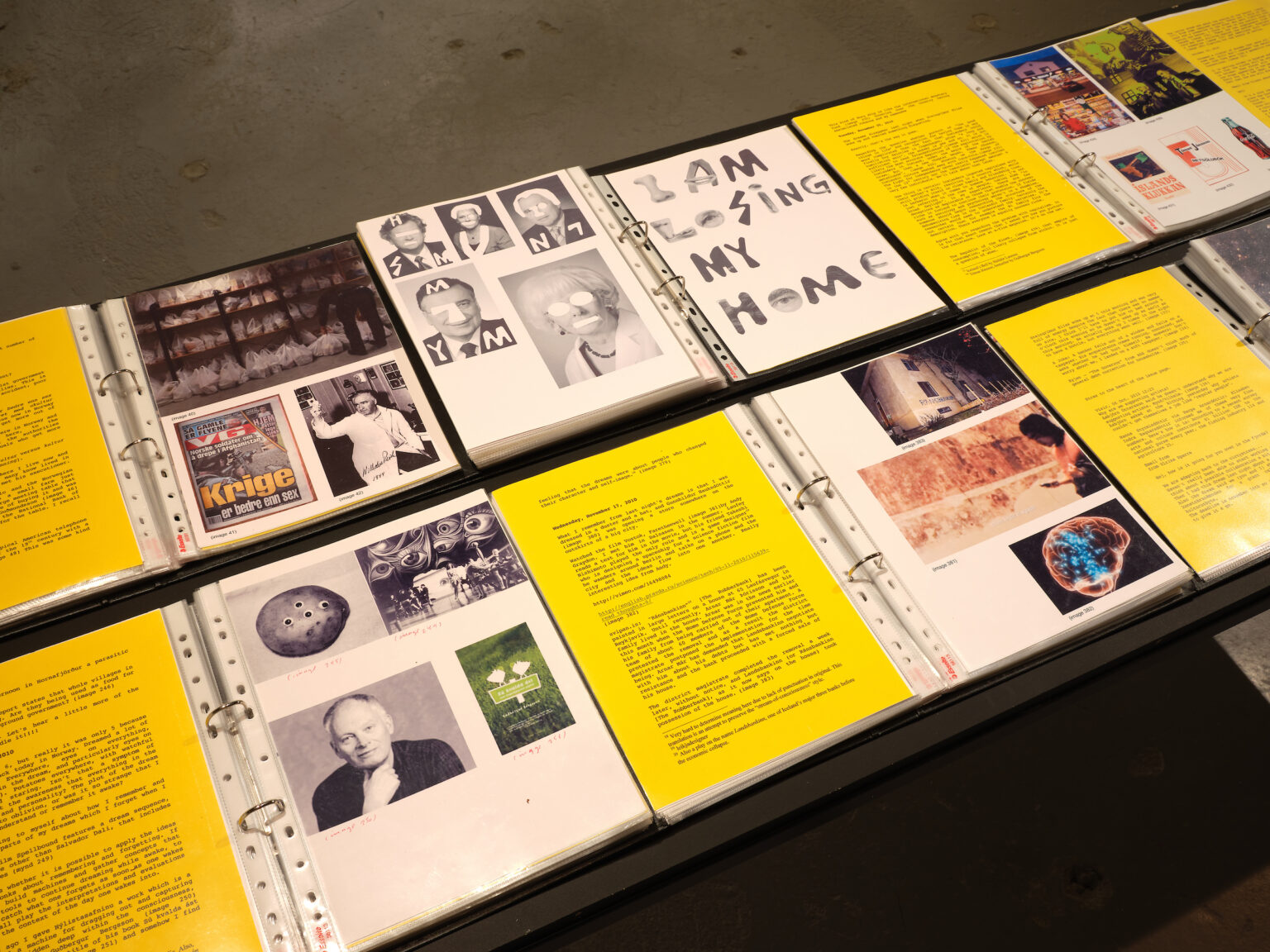
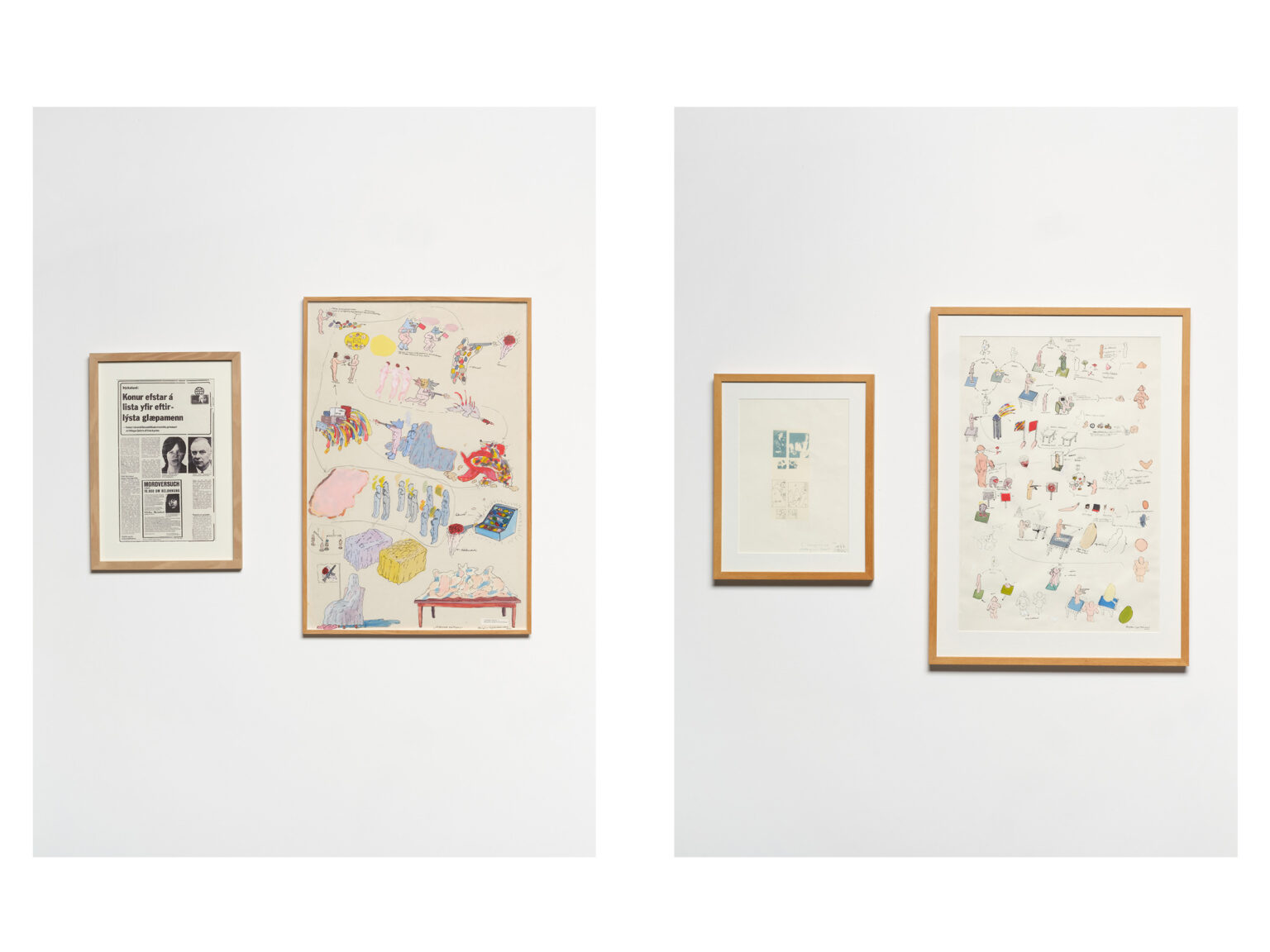
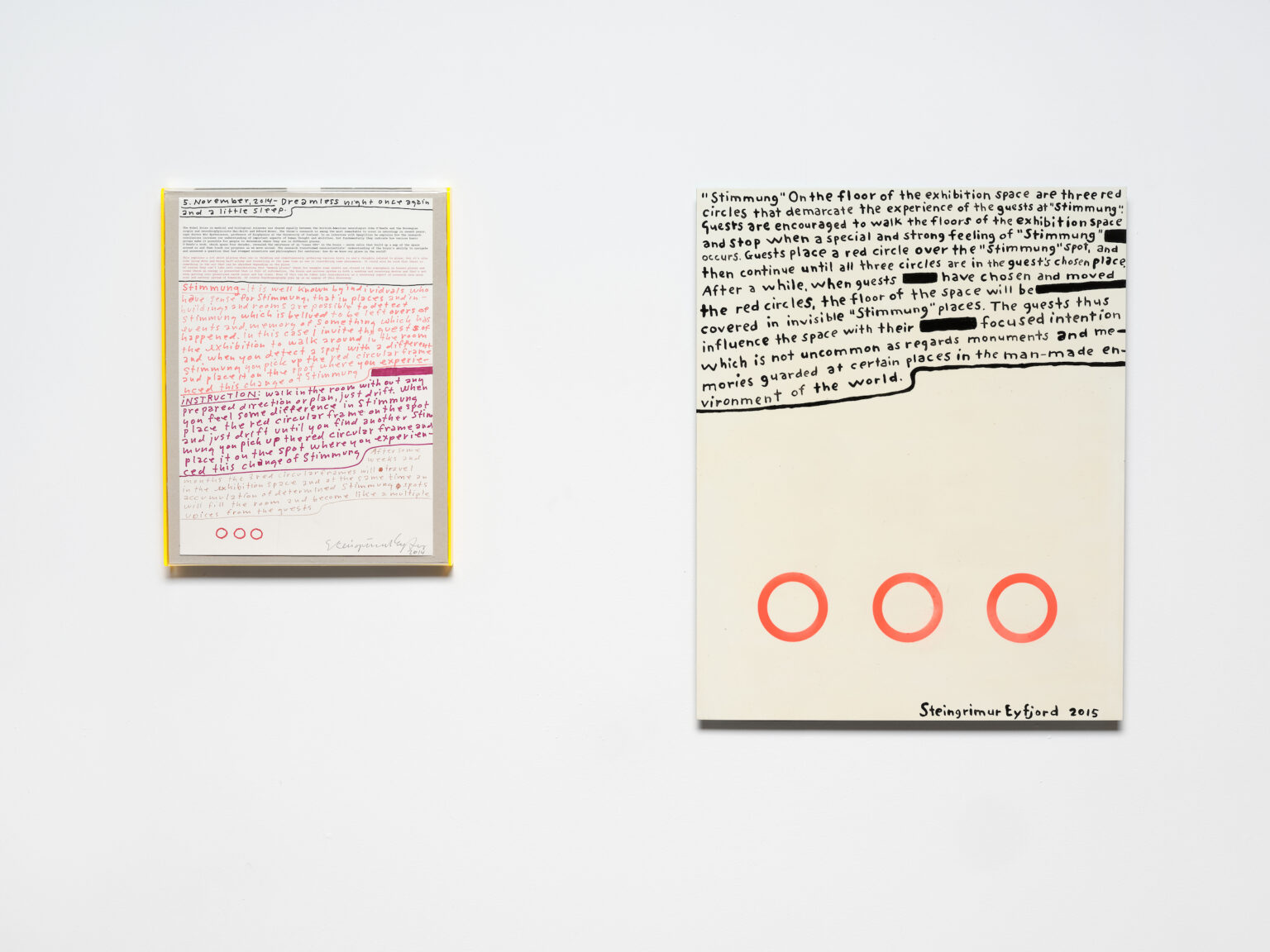
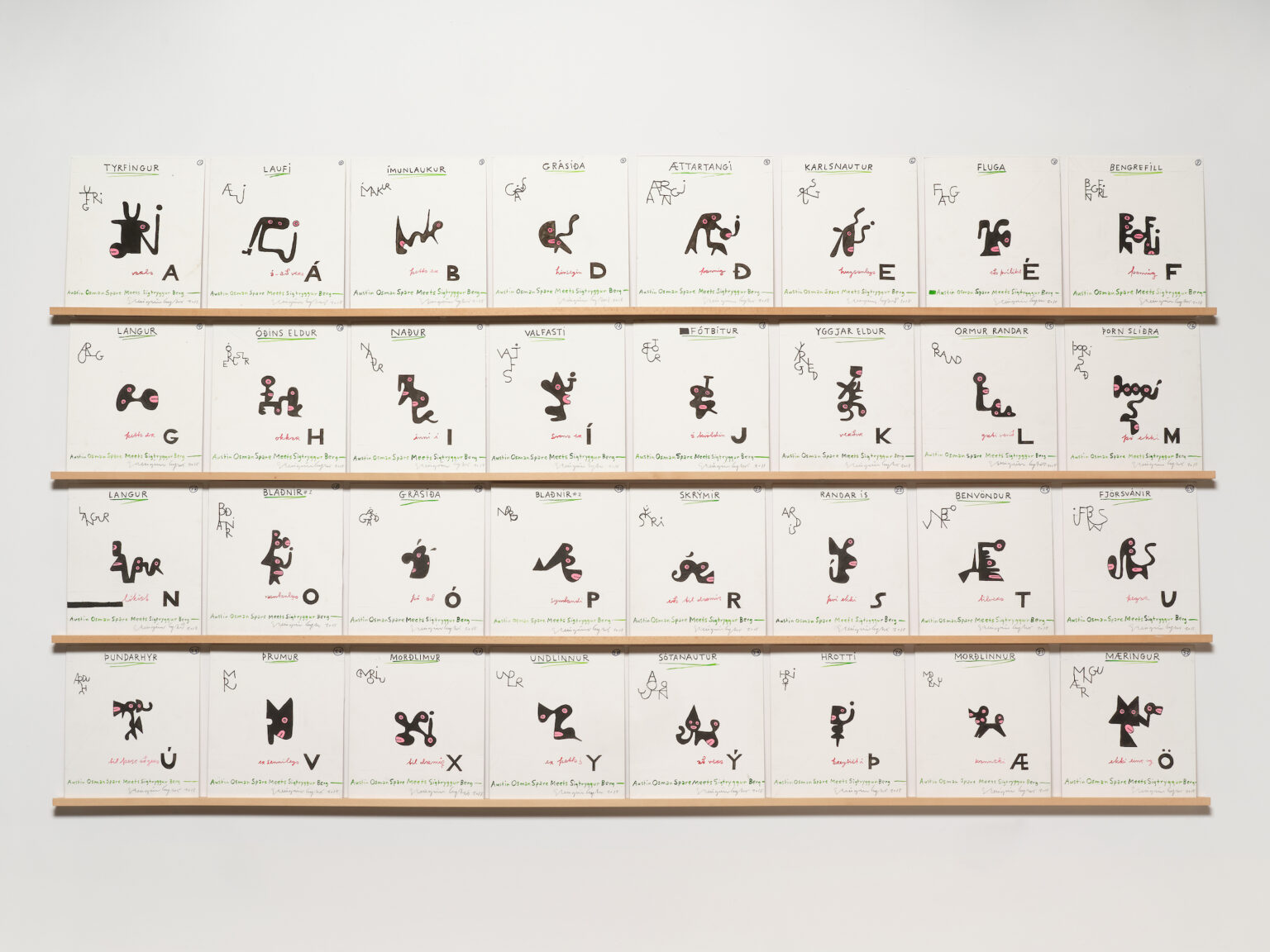
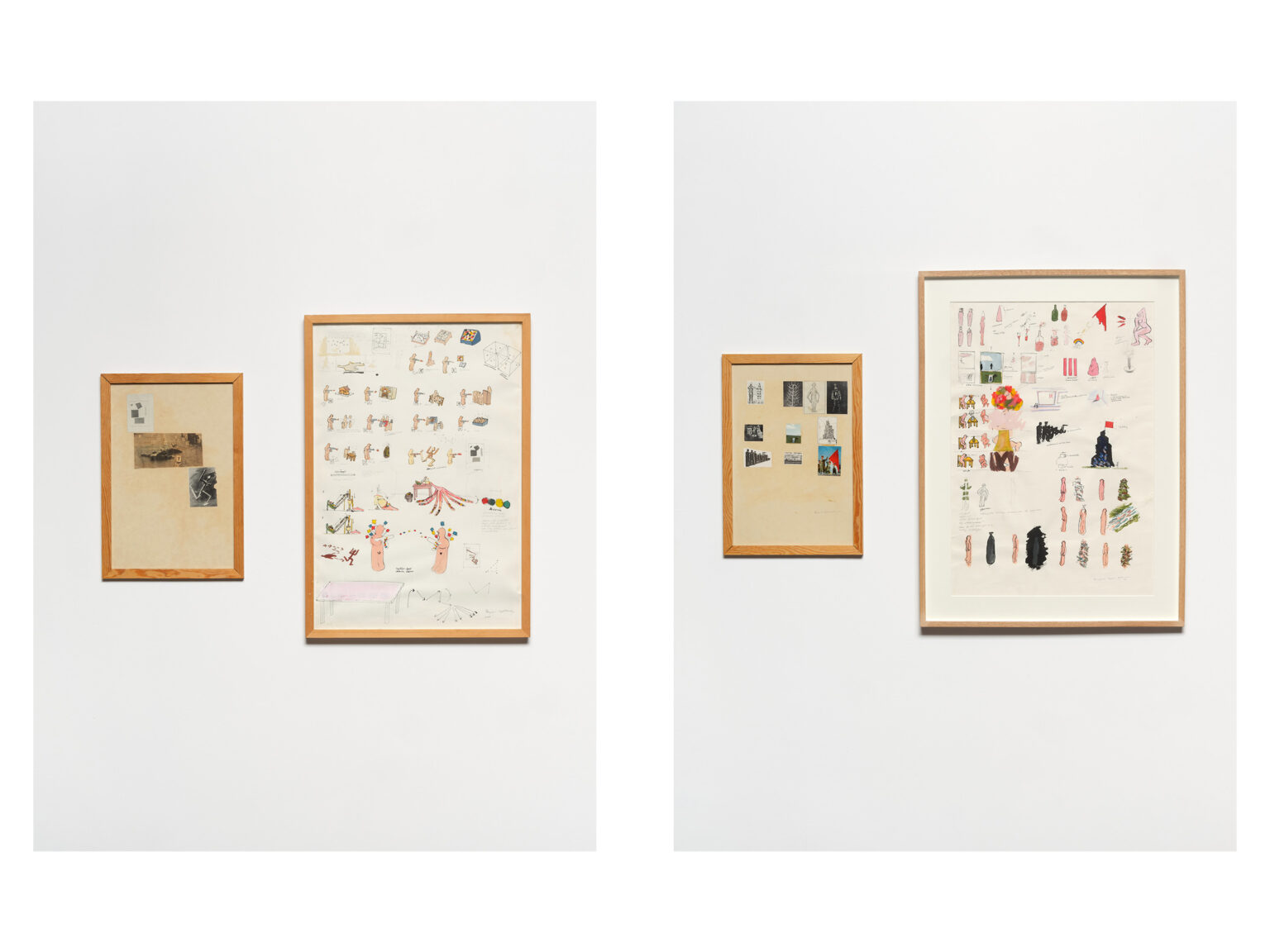
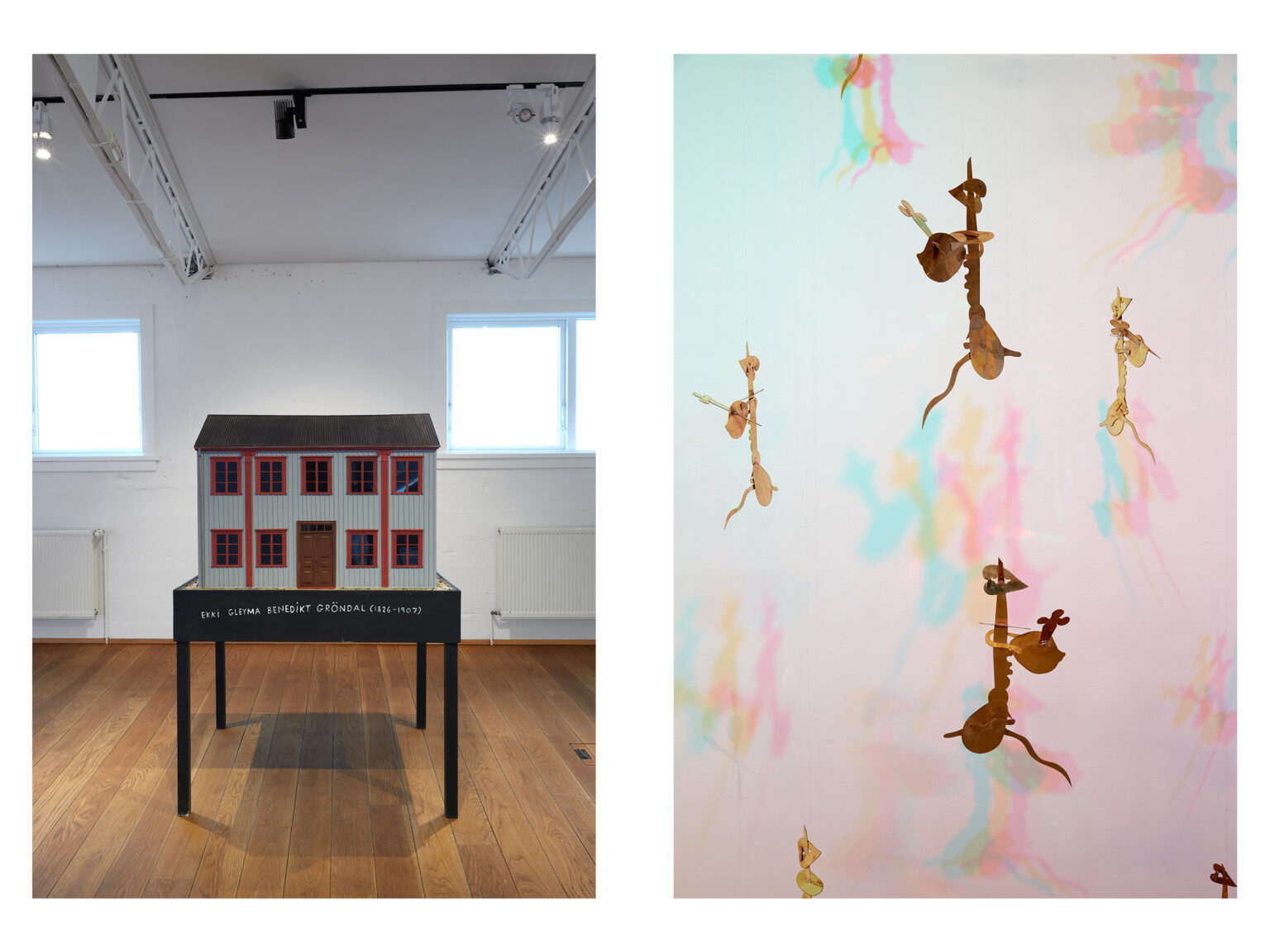
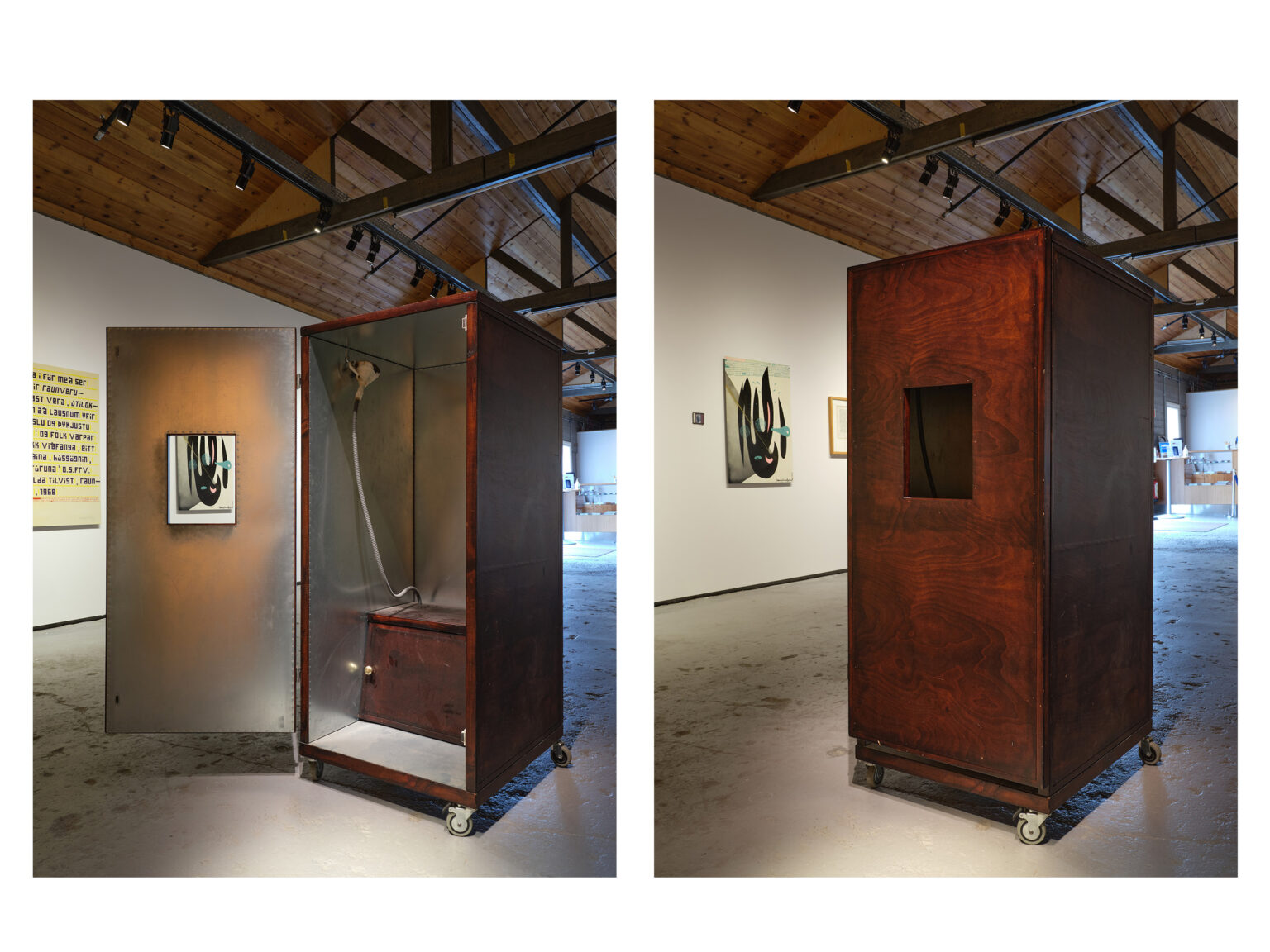
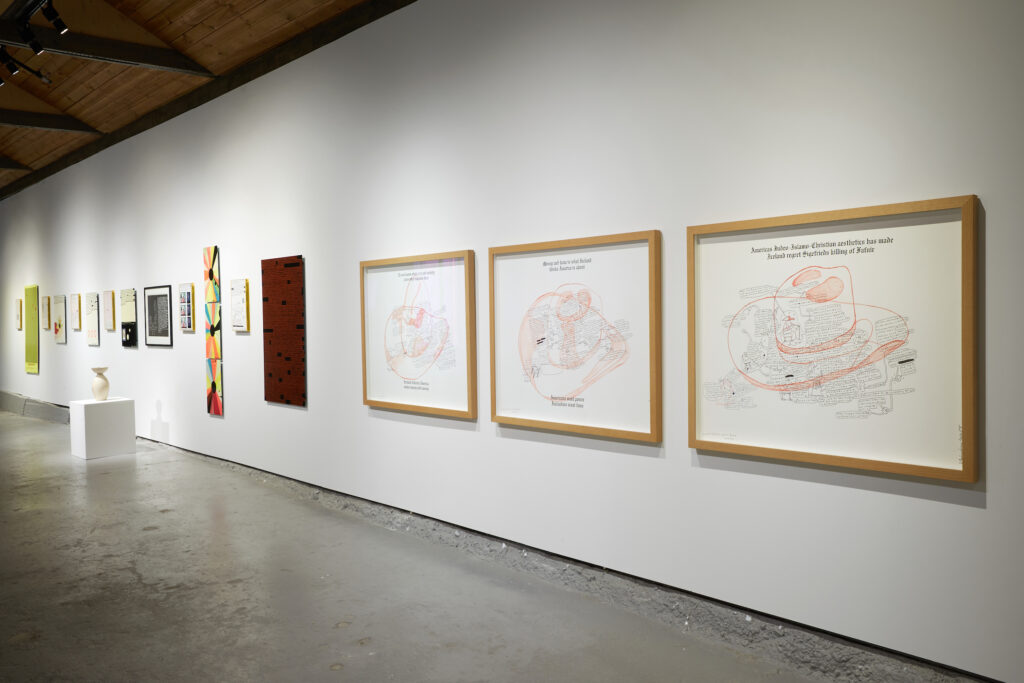
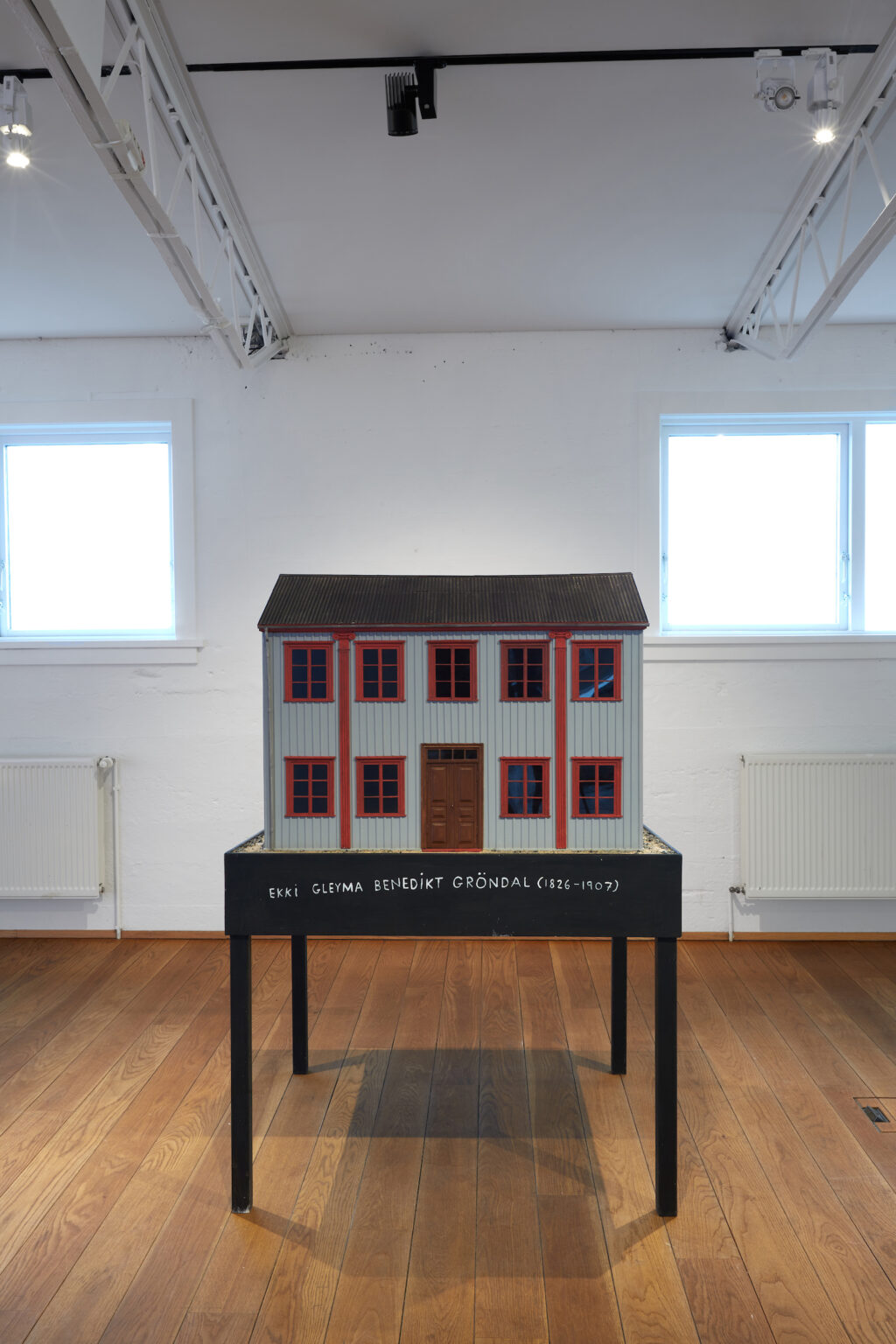
Classification is a combination of a retrospective and new works by Steingrímur Eyfjörð that were created during 2020–2021. The exhibition is an attempt by the artist to explain the motivation behind the artwork. The works are defined and placed within a classification system, a pattern that has developed over a long career. The main categories of the exhibition are: The Intangible, The Inheritance, World of Women, Critique, God’s Own Country, Kellingin, Decode, and Comix.

In the environment of Classification, conventional art history no longer matters, it is rather the art itself that connects up and down in the recipients’ bodies who then in turn respond both vertically and horizontally. Thus, Deleuze and Guattari liken the rhizome to plants that propagate through root sprouts, which are clustered together all alike, yet not the same and never alone or without a distinct centre. In this environment the centre loses the boundaries and the boundary the centre, the end the beginning and the beginning the end. Linear time falls into disarray, dissolves into many periods of time that behave in both a circular and linear manner, progressing both slowly and quickly. The usually common becomes unusual such as Steingrímur’s Kellingin, and the unusual becomes ordinary, as presented in Steingrímur’s porcelain work St Therese of Lisieux.

Looking over the entirety of the works that are grouped together in Classification, it is tempting to maintain that Steingrímur Eyfjörð taps into many aspects of the playwright Berthold Brecht who said: “Hence art – art as specific intervention – is not unity but contradiction, not reflection but construction, not meaning but interrogation, is lesson and action … in short must pose questions which render action possible.” (Johnstone and Willemen, Brecht in Britain, 1975).

What Brecht did for modernist thinking was to bring it on its own terms into post-modernism, his works are always based on the interaction of place, time, social groups, recipients, the seen and the experienced among different individuals. To follow Brecht’s views in art is to always think of the recipient of the work and that person’s satisfaction with the experience. To Brecht and Steingrímur, the viewer should always have a pleasant experience, which involves both entertainment and pleasure, the pleasure that comes from understanding the world a bit better after having perceived the work. Steingrímur’s stance is to always think of the viewers as specific social groups. That is why his works are always created for a particular group needing a certain approach to enjoy them.

In this way, it can be said that the idea that art is an interaction between the creator, who presents the work to society where it takes on an independent existence, and the recipients who stake their social status on how intimately they allow the work to touch them. In this ideology the concept is that the recipients have a role to play and should therefore not allow themselves to encounter the work ill-informed. This approach, precisely, is what most people find difficult; the school system teaches that art is beauty, like beautiful objects. This means that there is no need to examine your own knowledge, values and standards to recognise a thing of beauty. This is a given in the school system even though it is evident that taste, aesthetic sense, is a very class-based phenomenon that doesn’t develop automatically, and so the viewers expose their status and class with how they react to artwork.

But Steingrímur Eyfjörð’s does not aim to expose the viewers with his art, he is much rather driven by a deep desire to share a complex and multi-layered world view with those on the other side of his creations. Brecht’s and Steingrímur’s position on art takes it out of the public domain while they at the same time show great trust in their recipients in the development of the work. This is in itself in contrast with conventional interpretations in the spirit of the school system regarding the purpose of art, which often is presented on aesthetic grounds. So, in short it can be maintained that Steingrímur rather seeks to explore the human condition through imagery, what makes art possible, what concepts art contains and what methods can be developed further. Or in other words, Steingrímur has an interest in the historical origins of life and the possibility to interpret his own reality through visual media in an interactive conversation with the recipients of the works, the interplay between creator and recipients is therefore the dimension where the works end up in.

Helga Þórsdóttir
Curator and Museum Director of Reykjanes Art Museum
Classification

12.06.–22.08.2021

Reykjanes Art Museum
Classification is a combination of a retrospective and new works by Steingrímur Eyfjörð that were created during 2020–2021. The exhibition is an attempt by the artist to explain the motivation behind the artwork. The works are defined and placed within a classification system, a pattern that has developed over a long career. The main categories of the exhibition are: The Intangible, The Inheritance, World of Women, Critique, God’s Own Country, Kellingin, Decode, and Comix.

In the environment of Classification, conventional art history no longer matters, it is rather the art itself that connects up and down in the recipients’ bodies who then in turn respond both vertically and horizontally. Thus, Deleuze and Guattari liken the rhizome to plants that propagate through root sprouts, which are clustered together all alike, yet not the same and never alone or without a distinct centre. In this environment the centre loses the boundaries and the boundary the centre, the end the beginning and the beginning the end. Linear time falls into disarray, dissolves into many periods of time that behave in both a circular and linear manner, progressing both slowly and quickly. The usually common becomes unusual such as Steingrímur’s Kellingin, and the unusual becomes ordinary, as presented in Steingrímur’s porcelain work St Therese of Lisieux.

Looking over the entirety of the works that are grouped together in Classification, it is tempting to maintain that Steingrímur Eyfjörð taps into many aspects of the playwright Berthold Brecht who said: “Hence art – art as specific intervention – is not unity but contradiction, not reflection but construction, not meaning but interrogation, is lesson and action … in short must pose questions which render action possible.” (Johnstone and Willemen, Brecht in Britain, 1975).

What Brecht did for modernist thinking was to bring it on its own terms into post-modernism, his works are always based on the interaction of place, time, social groups, recipients, the seen and the experienced among different individuals. To follow Brecht’s views in art is to always think of the recipient of the work and that person’s satisfaction with the experience. To Brecht and Steingrímur, the viewer should always have a pleasant experience, which involves both entertainment and pleasure, the pleasure that comes from understanding the world a bit better after having perceived the work. Steingrímur’s stance is to always think of the viewers as specific social groups. That is why his works are always created for a particular group needing a certain approach to enjoy them.

In this way, it can be said that the idea that art is an interaction between the creator, who presents the work to society where it takes on an independent existence, and the recipients who stake their social status on how intimately they allow the work to touch them. In this ideology the concept is that the recipients have a role to play and should therefore not allow themselves to encounter the work ill-informed. This approach, precisely, is what most people find difficult; the school system teaches that art is beauty, like beautiful objects. This means that there is no need to examine your own knowledge, values and standards to recognise a thing of beauty. This is a given in the school system even though it is evident that taste, aesthetic sense, is a very class-based phenomenon that doesn’t develop automatically, and so the viewers expose their status and class with how they react to artwork.

But Steingrímur Eyfjörð’s does not aim to expose the viewers with his art, he is much rather driven by a deep desire to share a complex and multi-layered world view with those on the other side of his creations. Brecht’s and Steingrímur’s position on art takes it out of the public domain while they at the same time show great trust in their recipients in the development of the work. This is in itself in contrast with conventional interpretations in the spirit of the school system regarding the purpose of art, which often is presented on aesthetic grounds. So, in short it can be maintained that Steingrímur rather seeks to explore the human condition through imagery, what makes art possible, what concepts art contains and what methods can be developed further. Or in other words, Steingrímur has an interest in the historical origins of life and the possibility to interpret his own reality through visual media in an interactive conversation with the recipients of the works, the interplay between creator and recipients is therefore the dimension where the works end up in.

Helga Þórsdóttir
Curator and Museum Director of Reykjanes Art Museum