Pareidolia

04.11.17 – 06.01.18

Hverfisgallerí

Steingrímur Eyfjörð’s Conversations

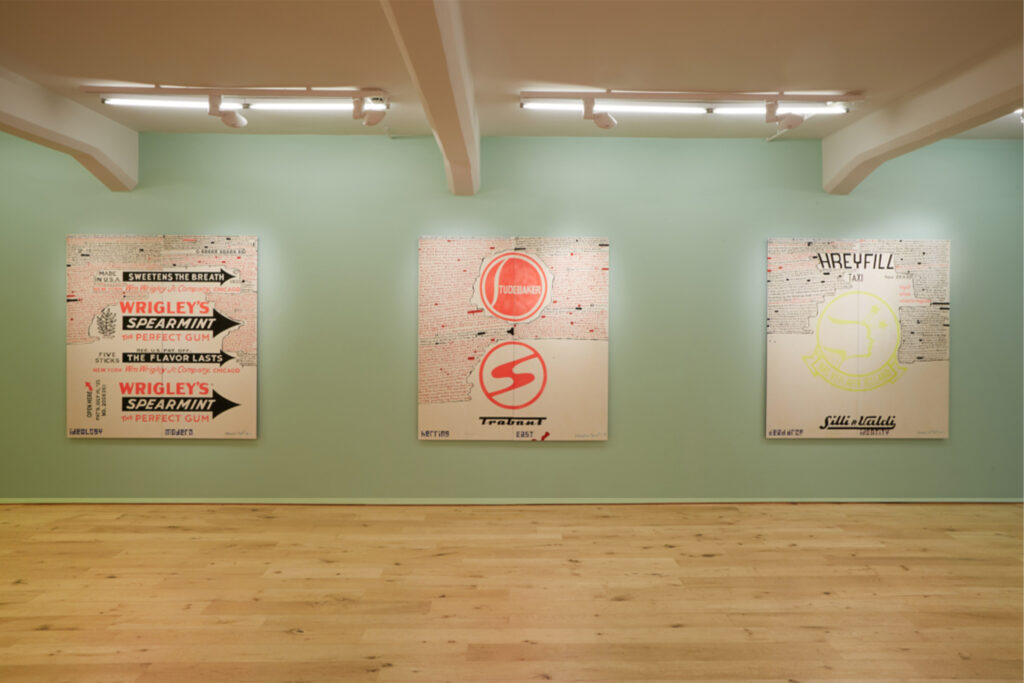
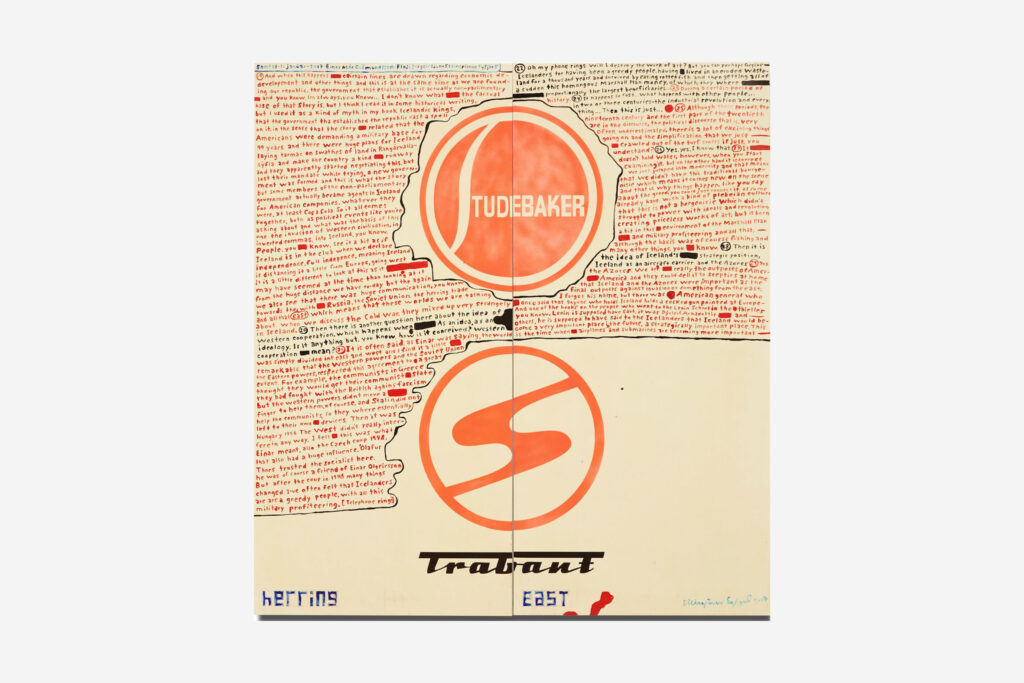
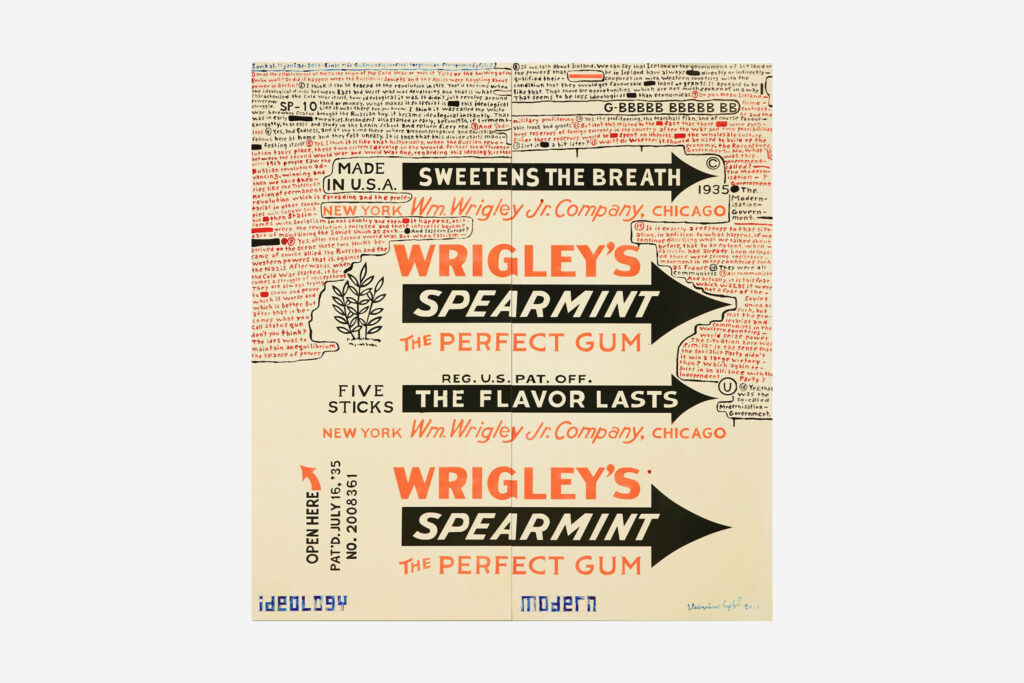
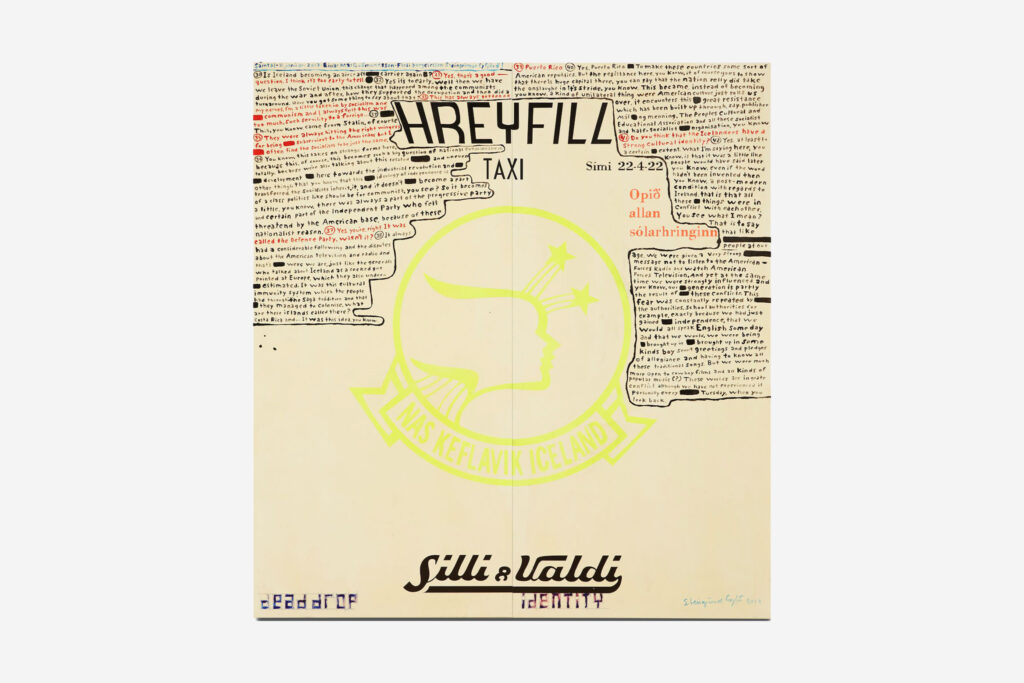
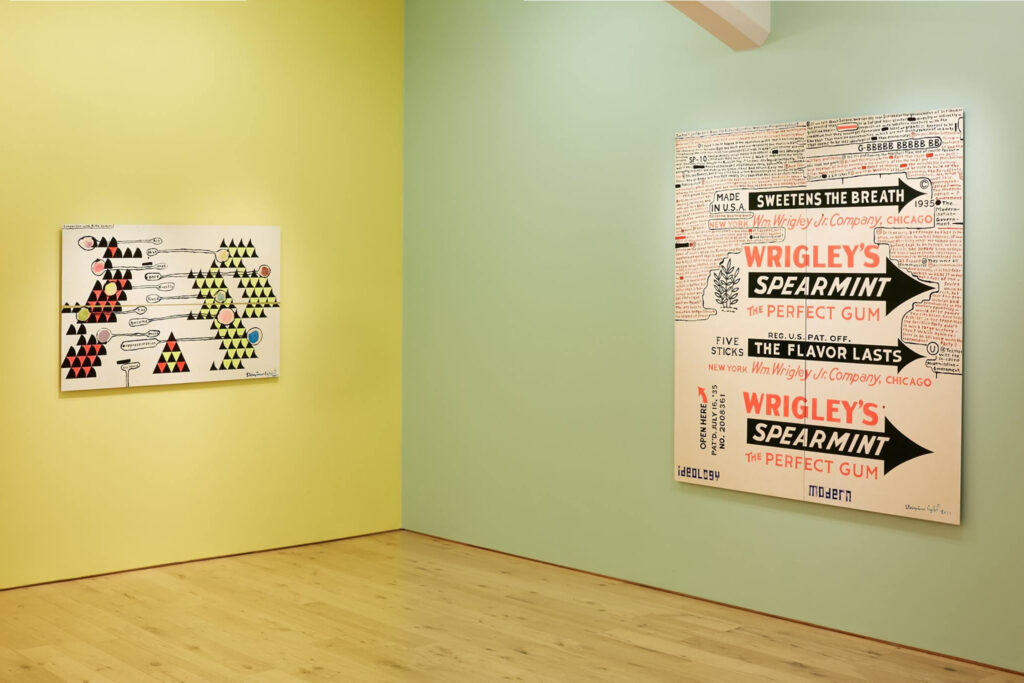
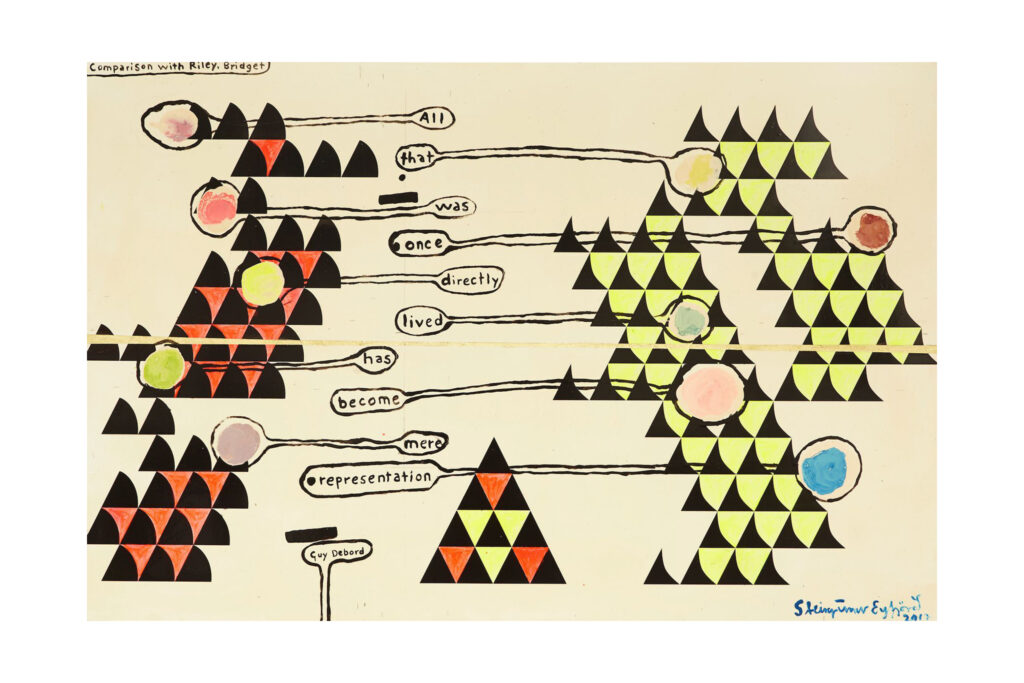
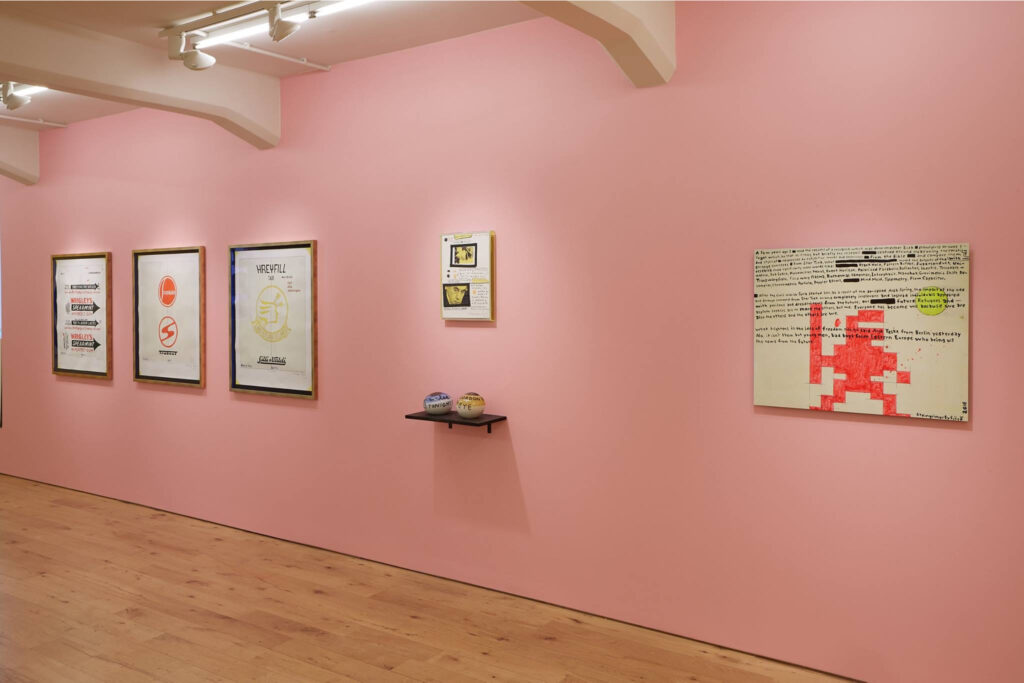
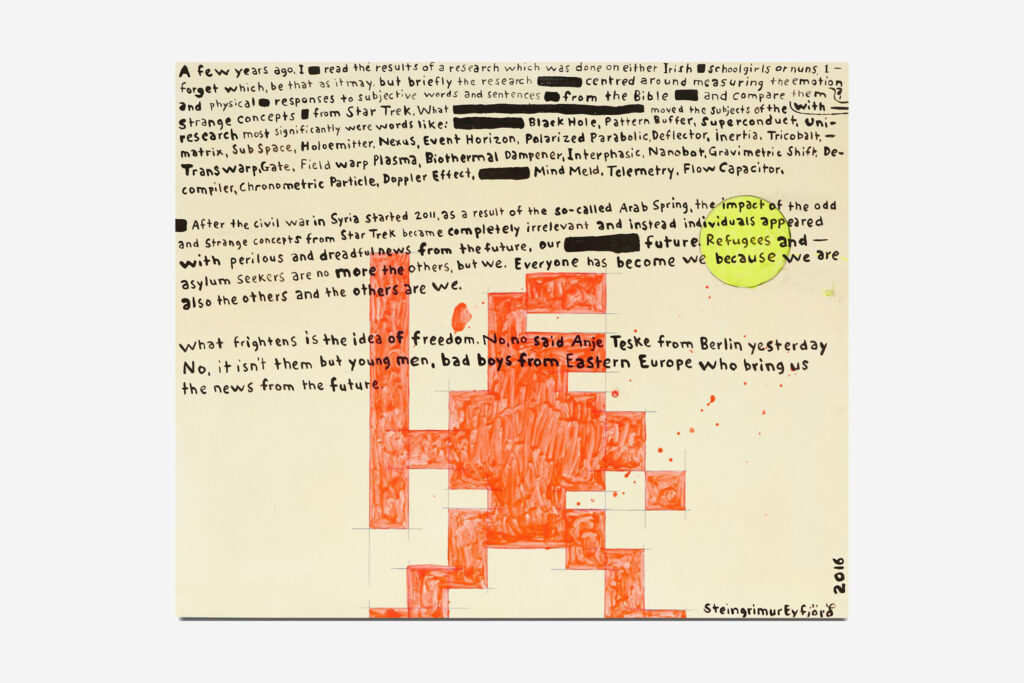
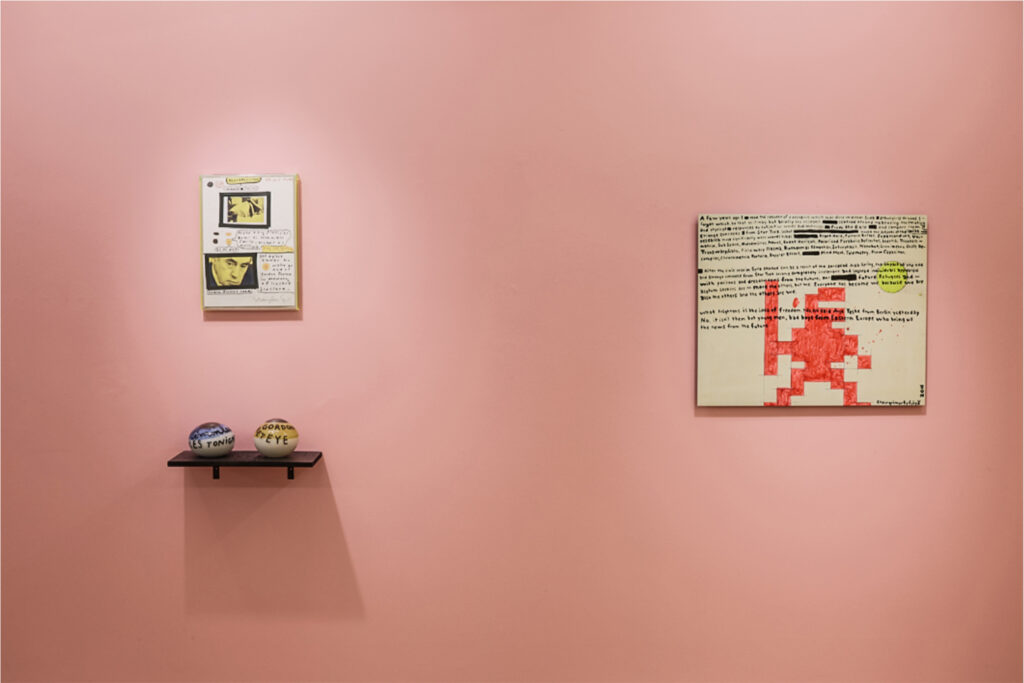
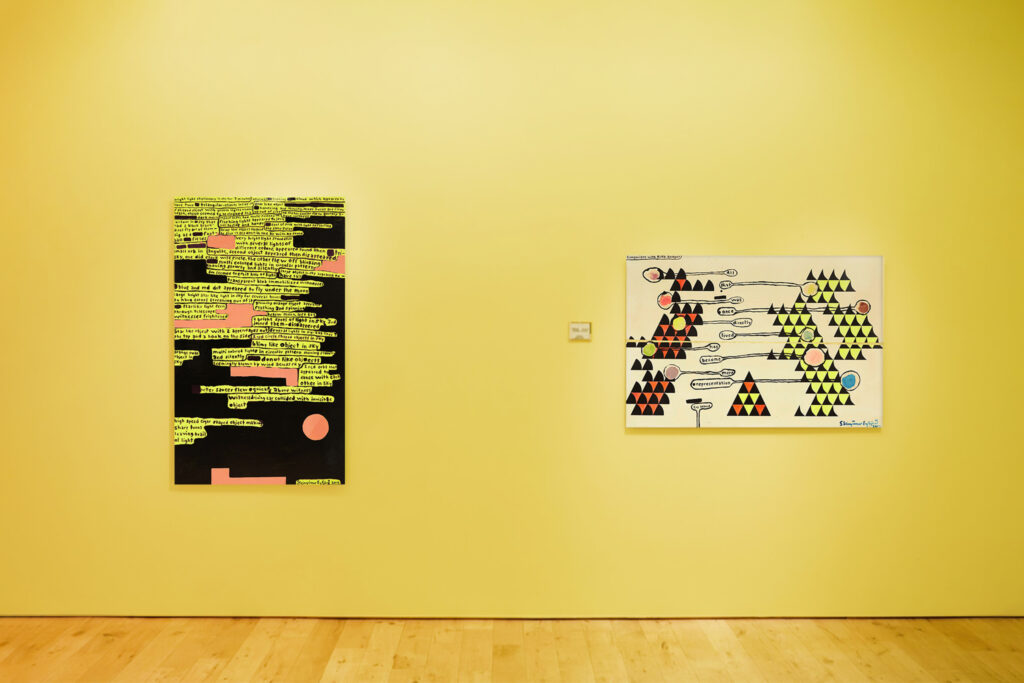
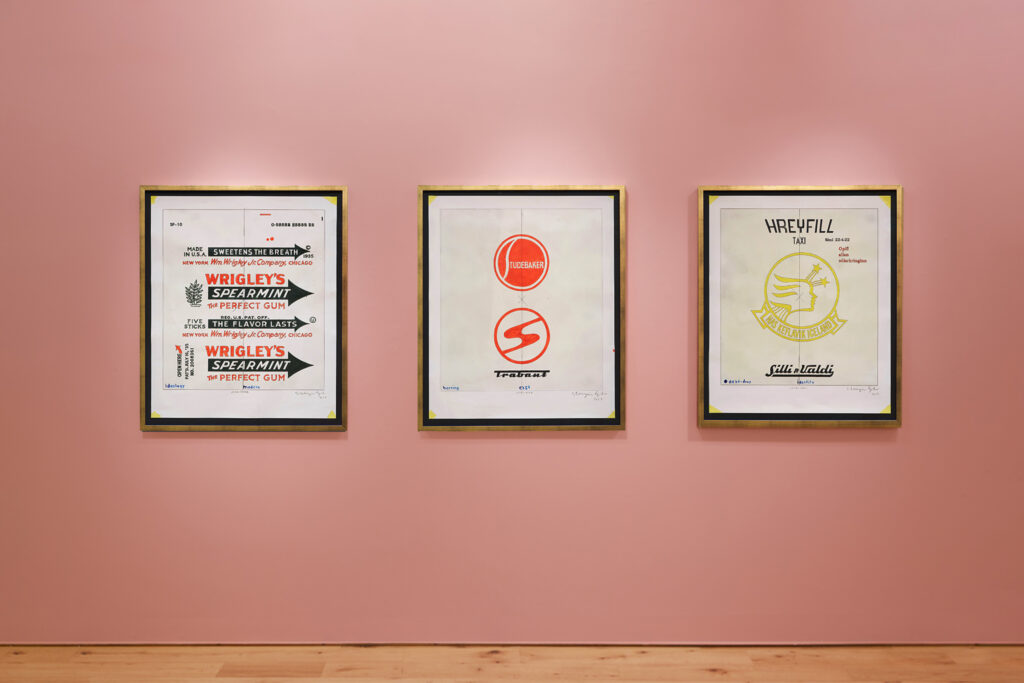
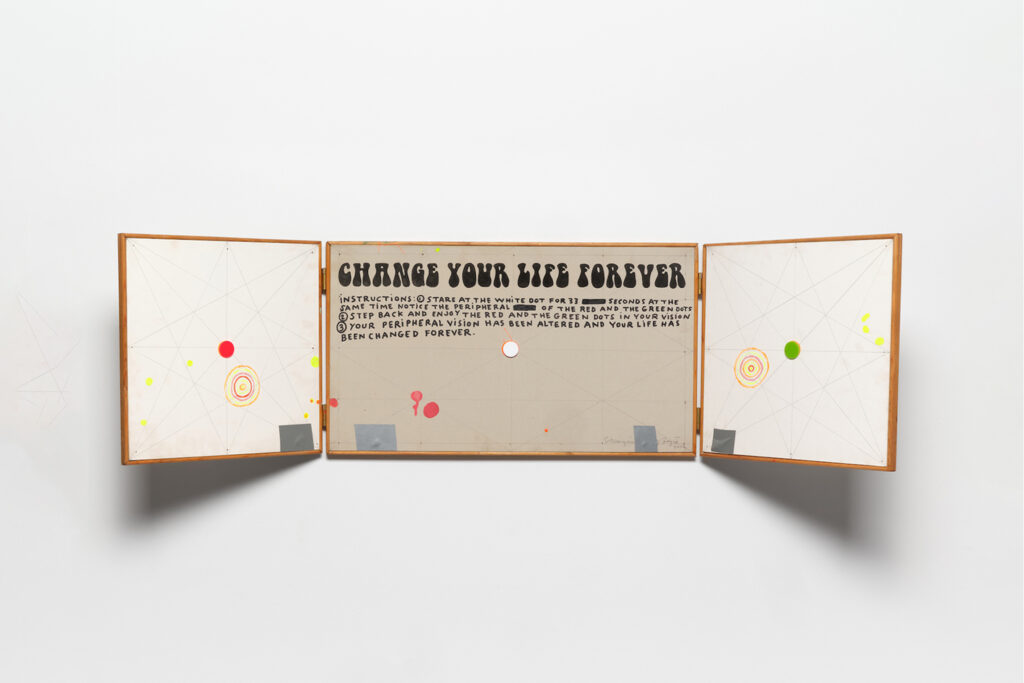
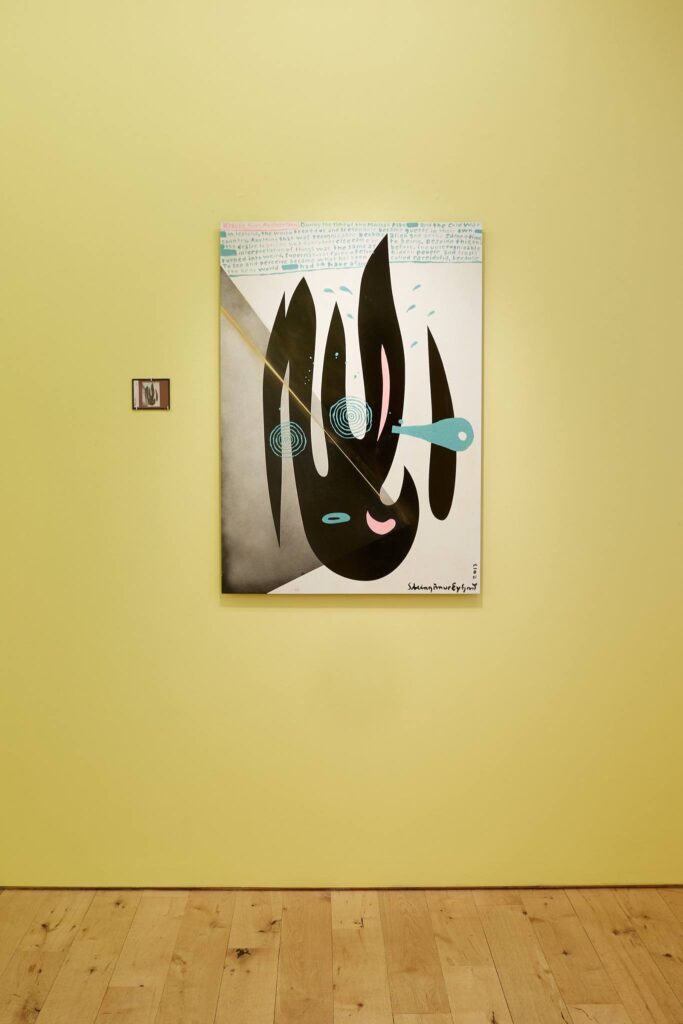
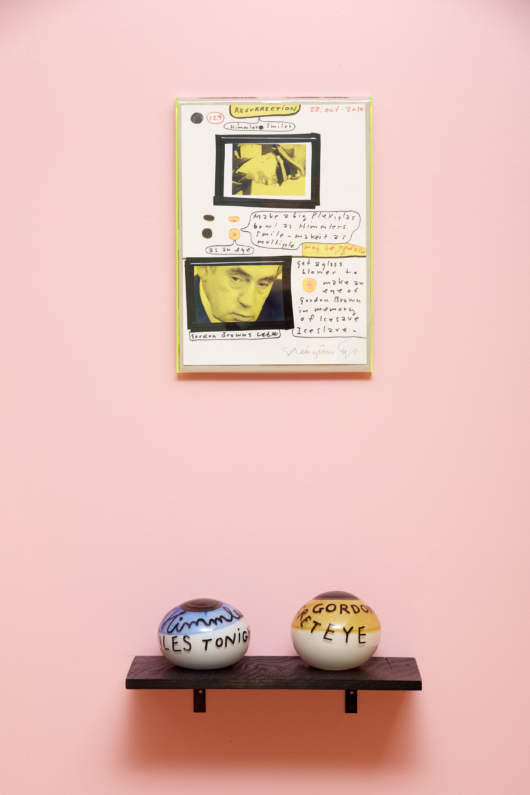
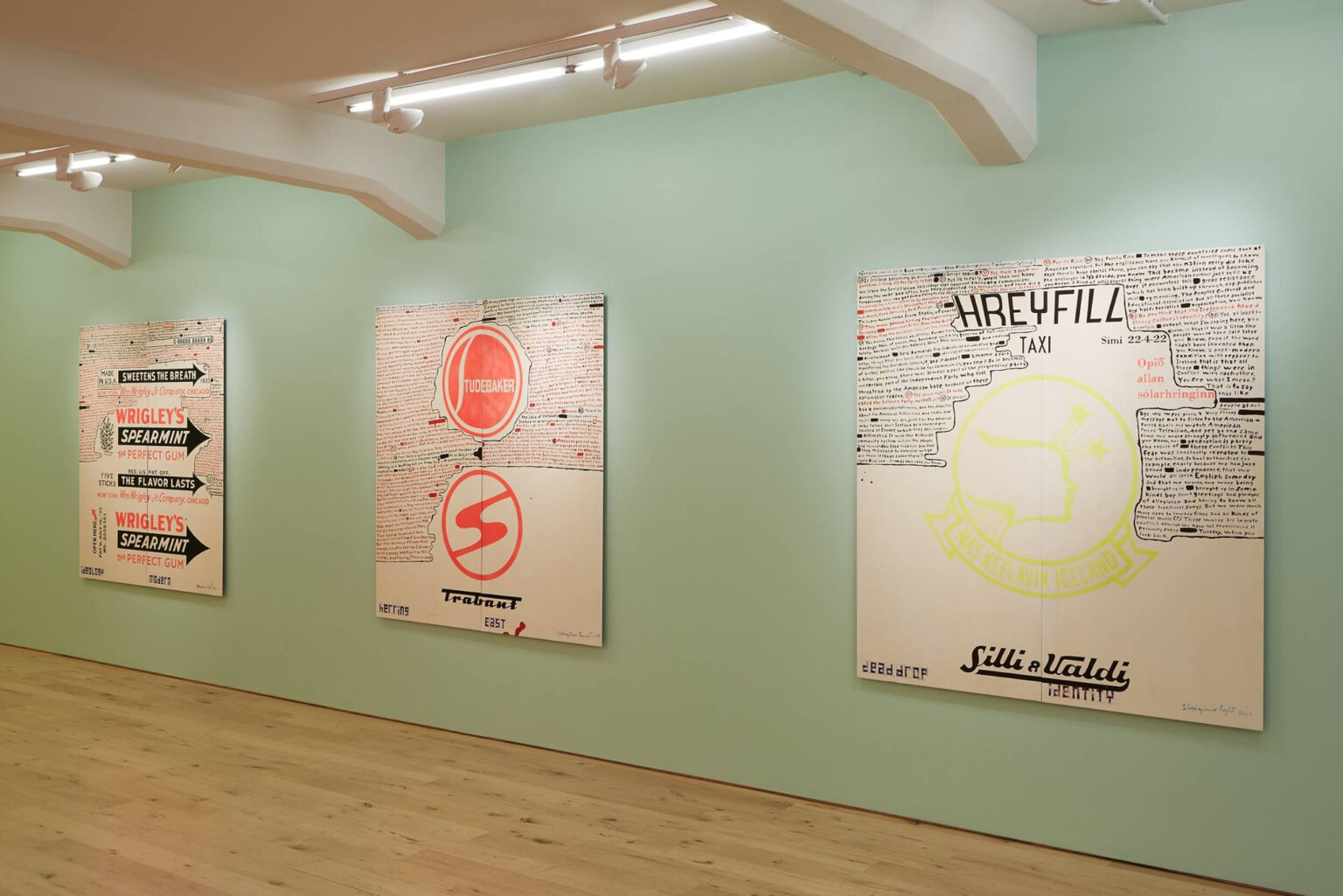
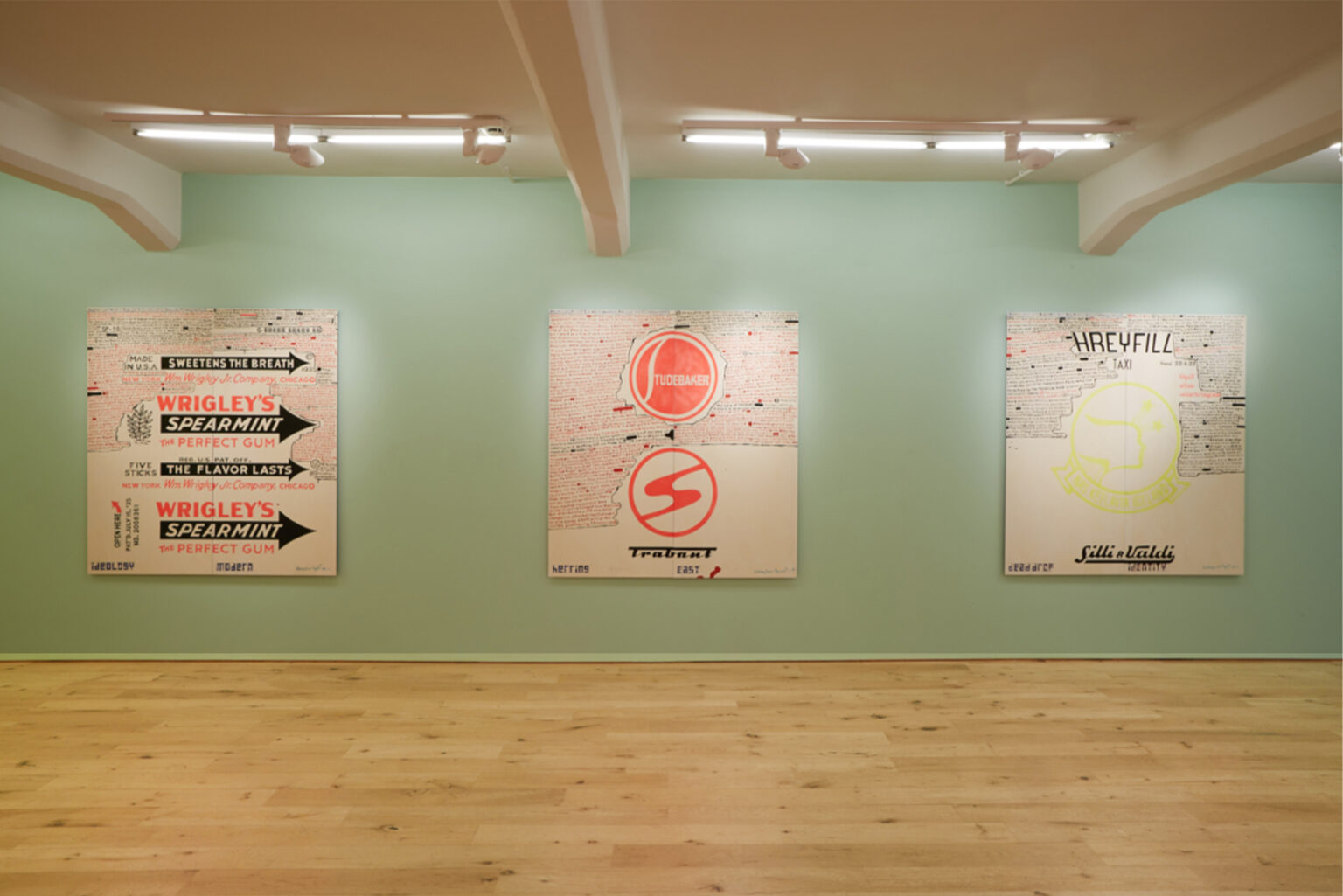
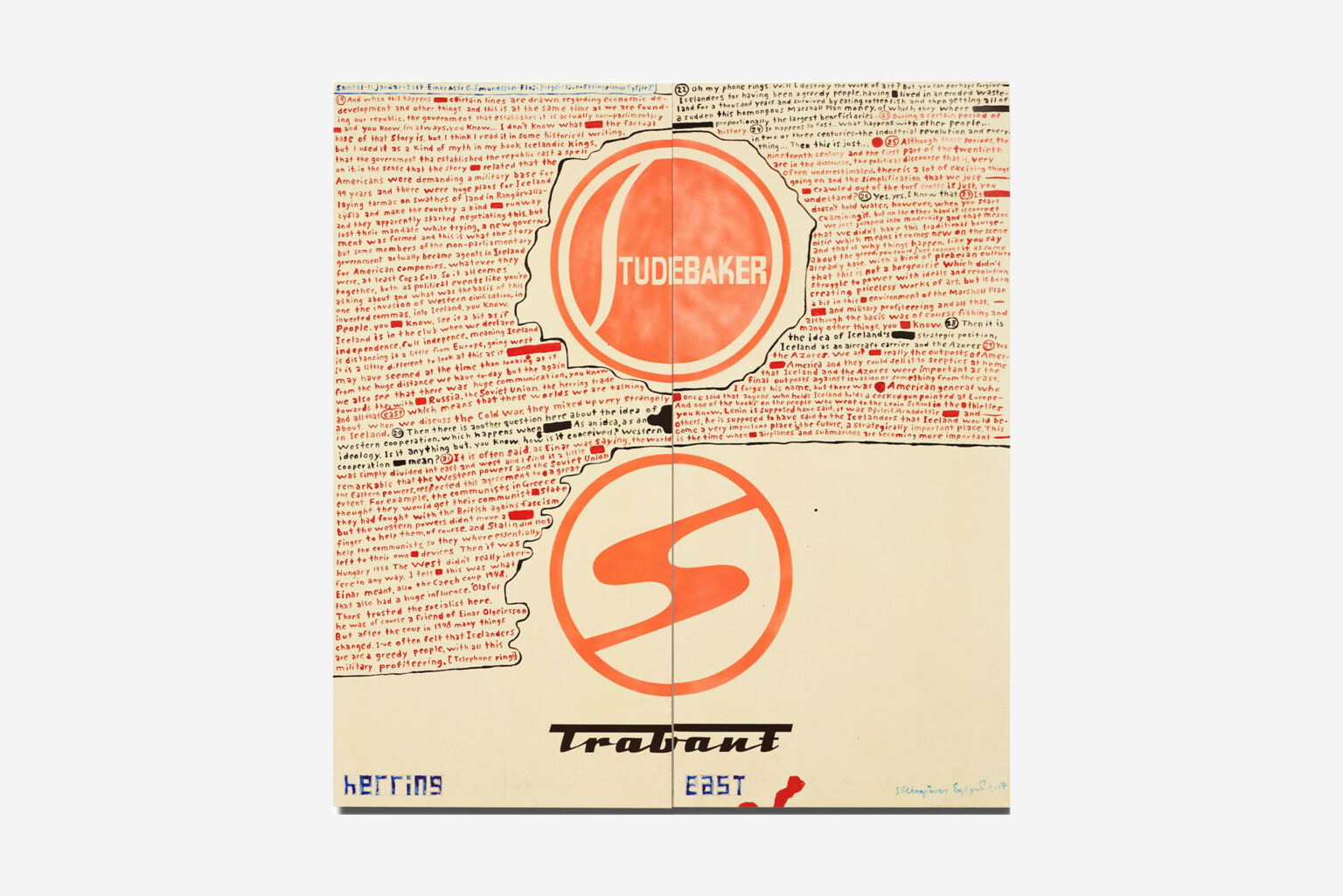
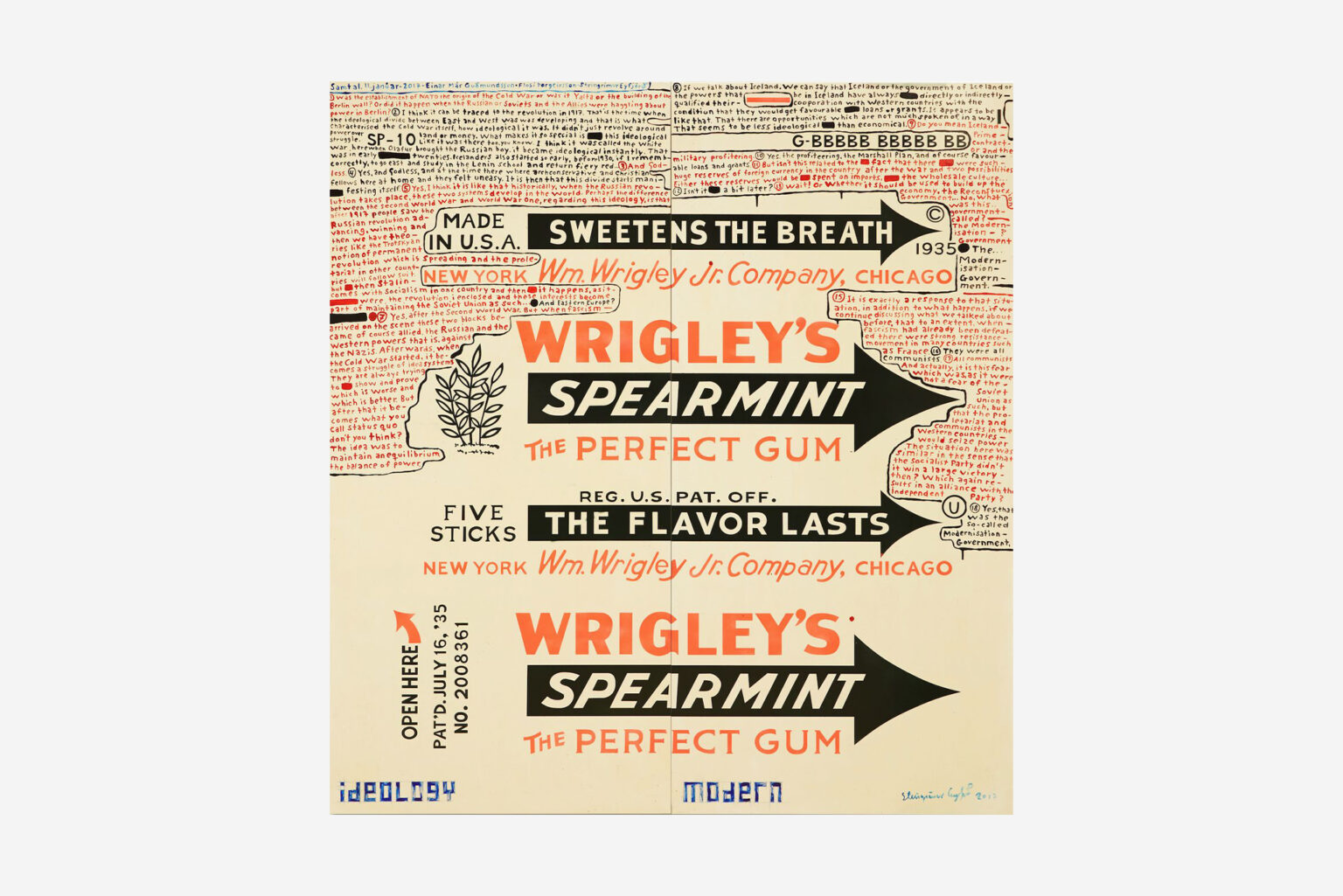
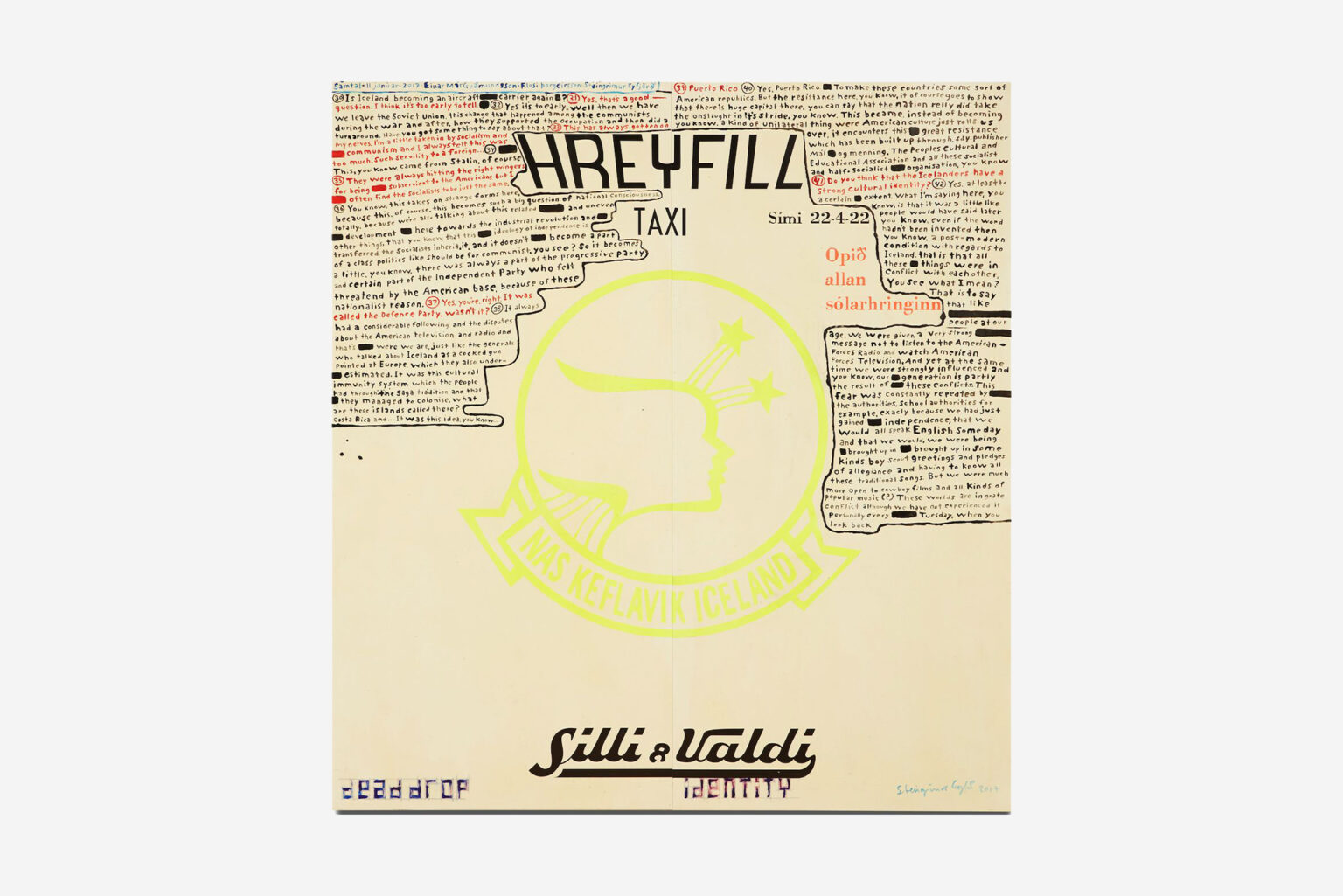
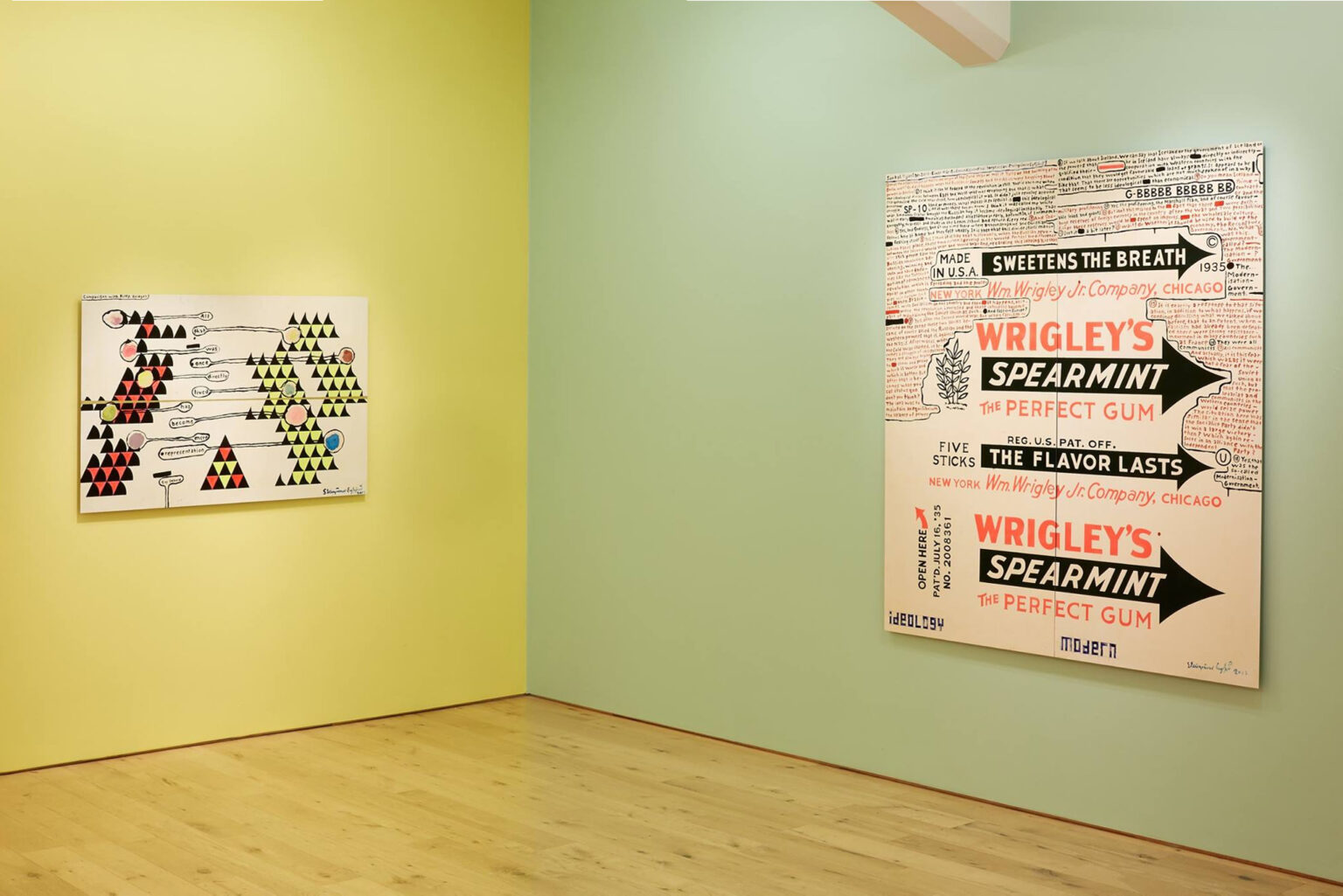
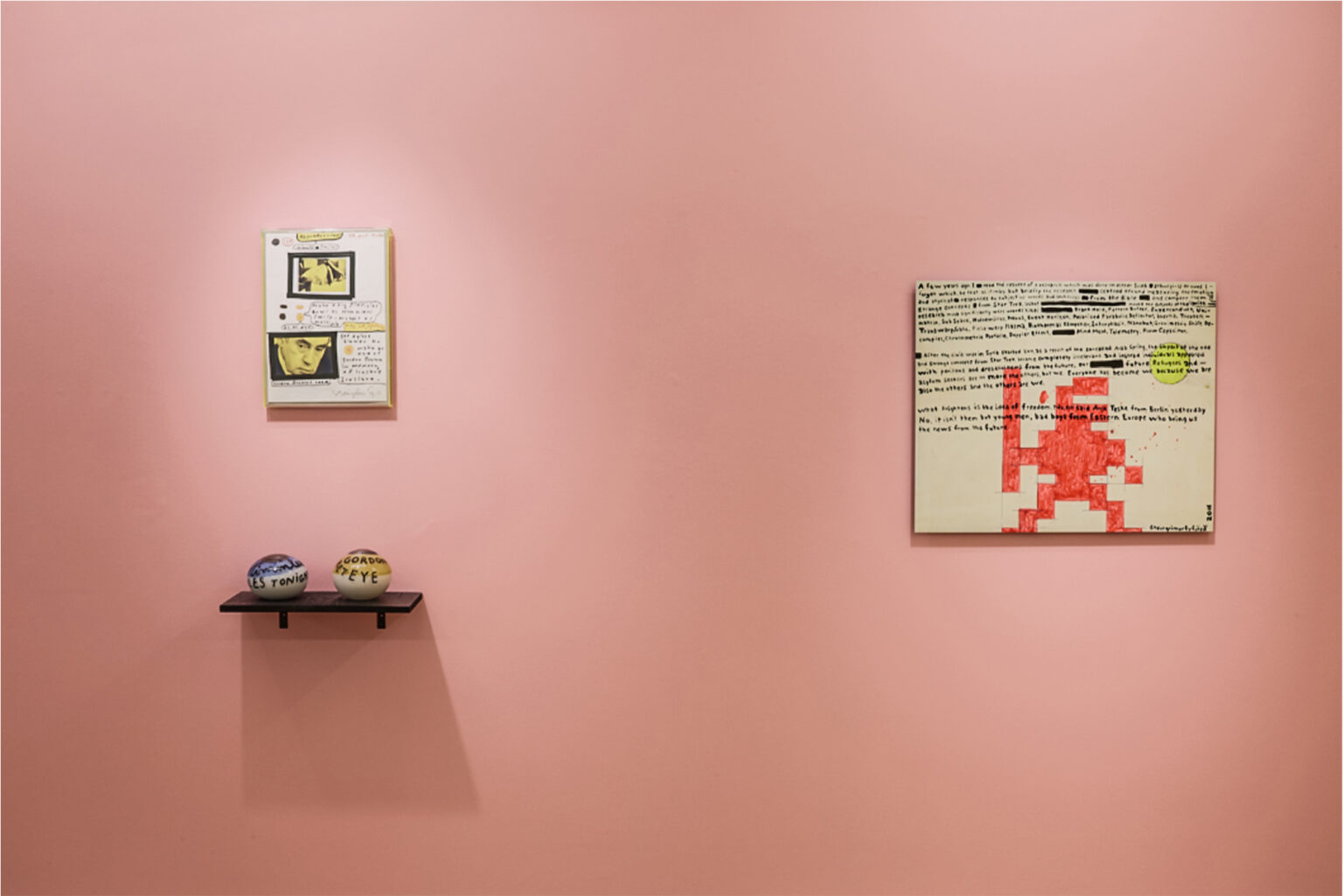
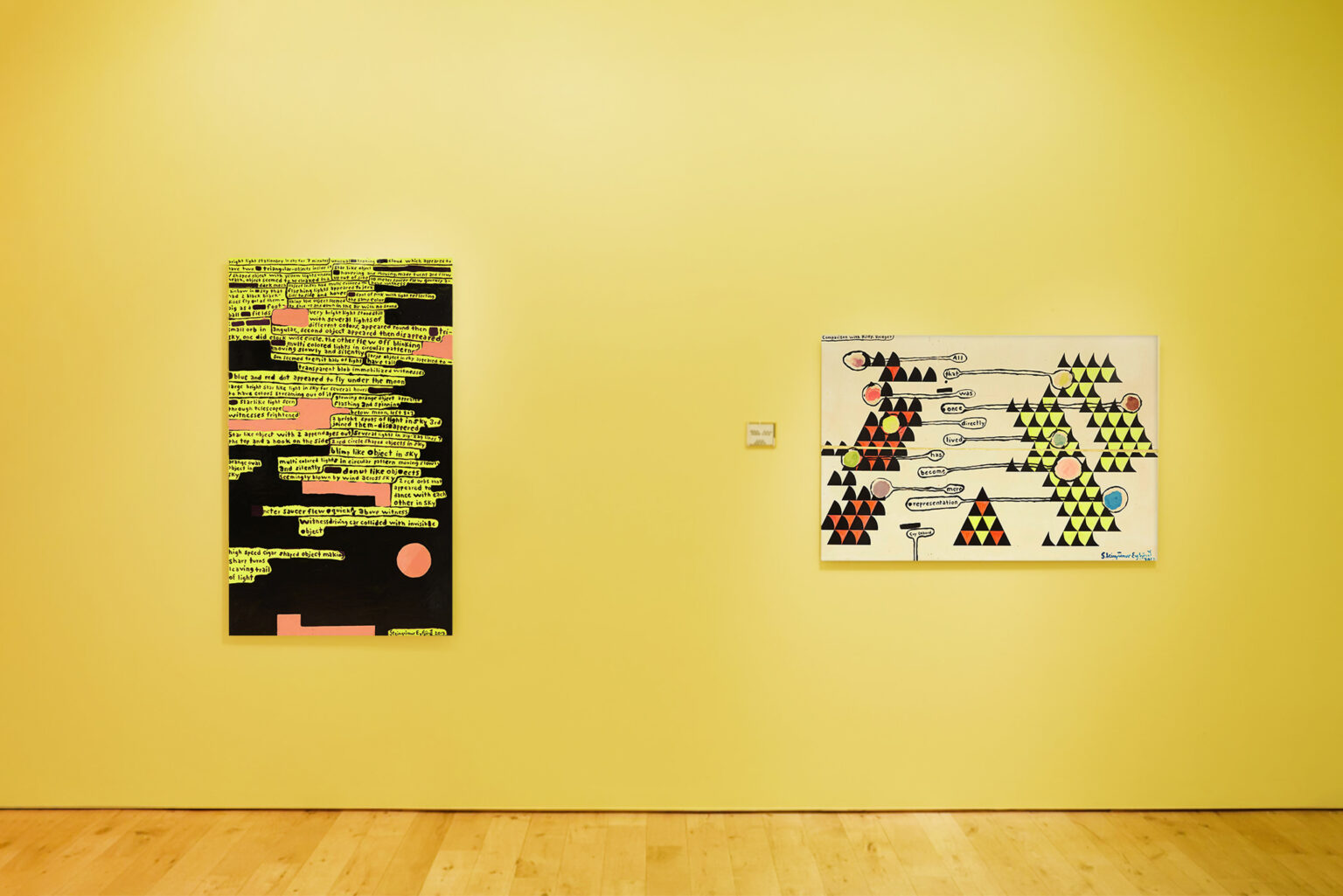
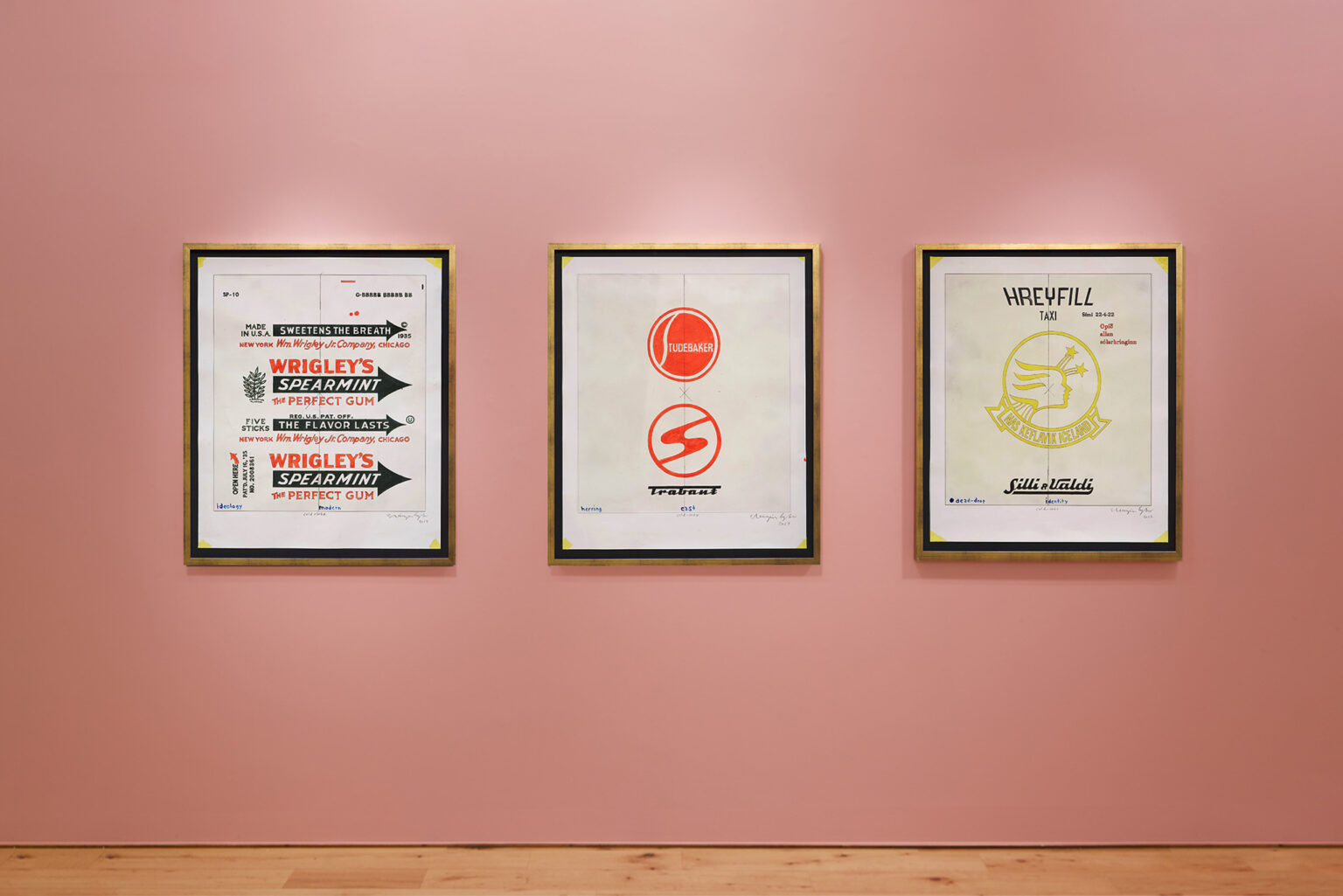
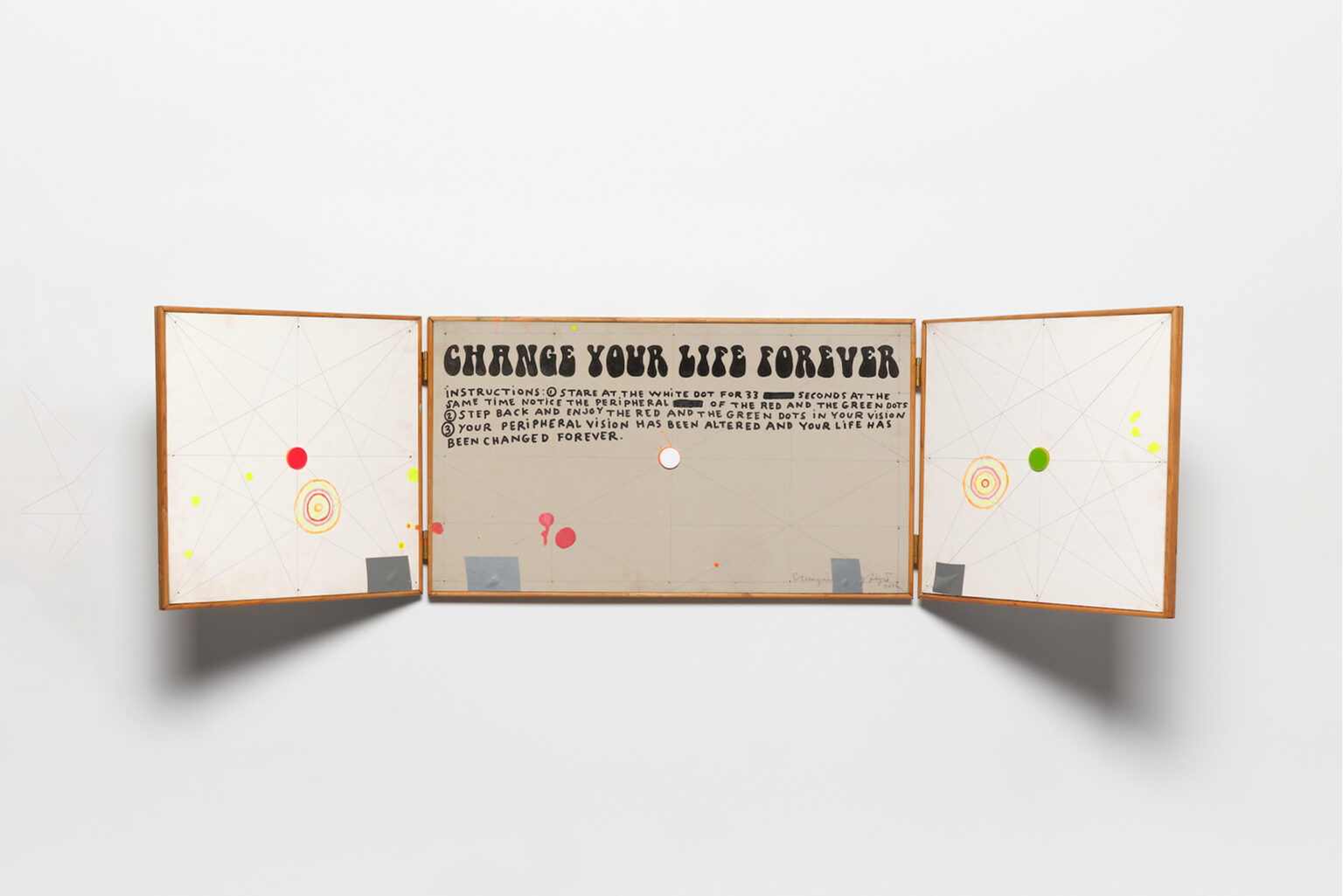
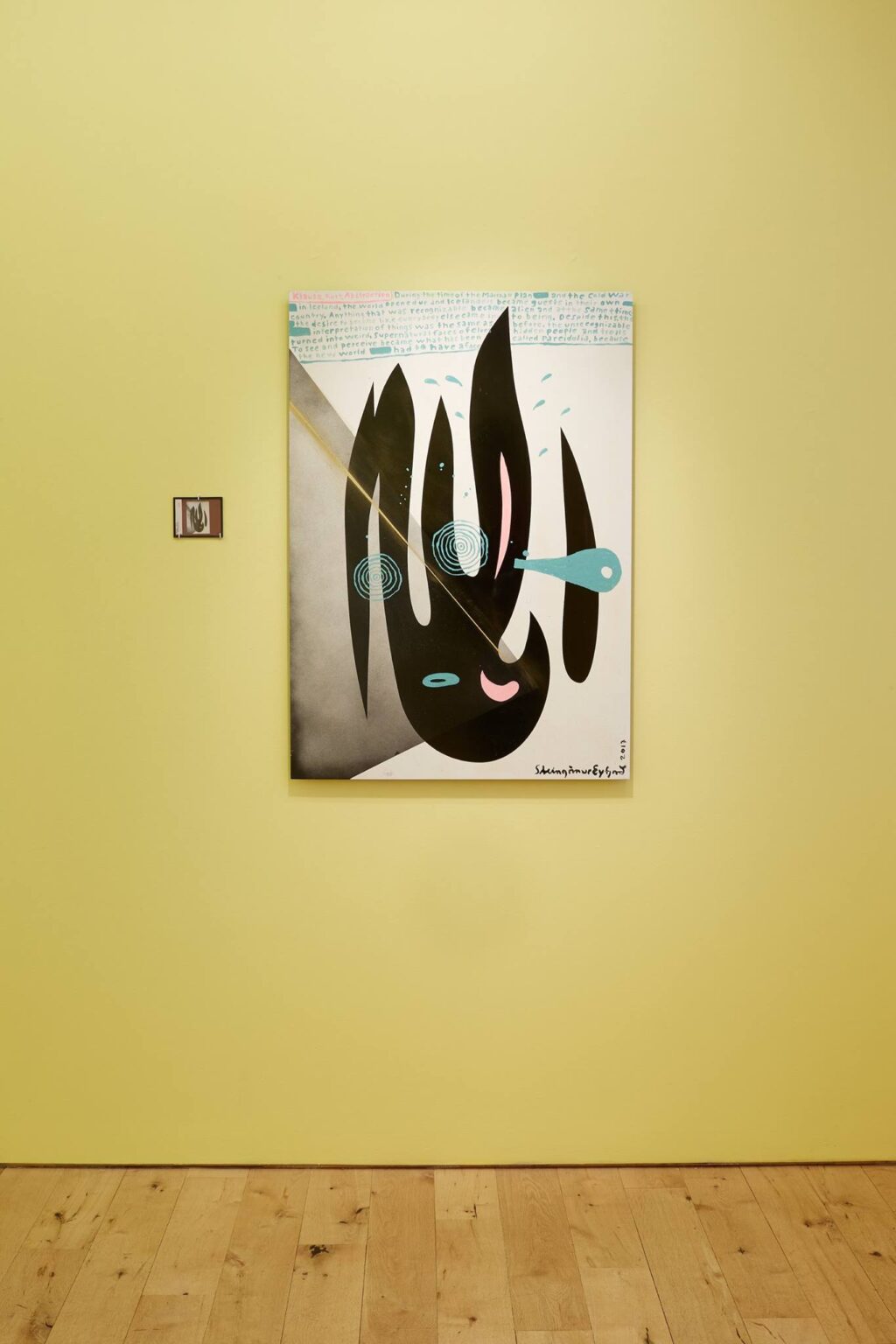
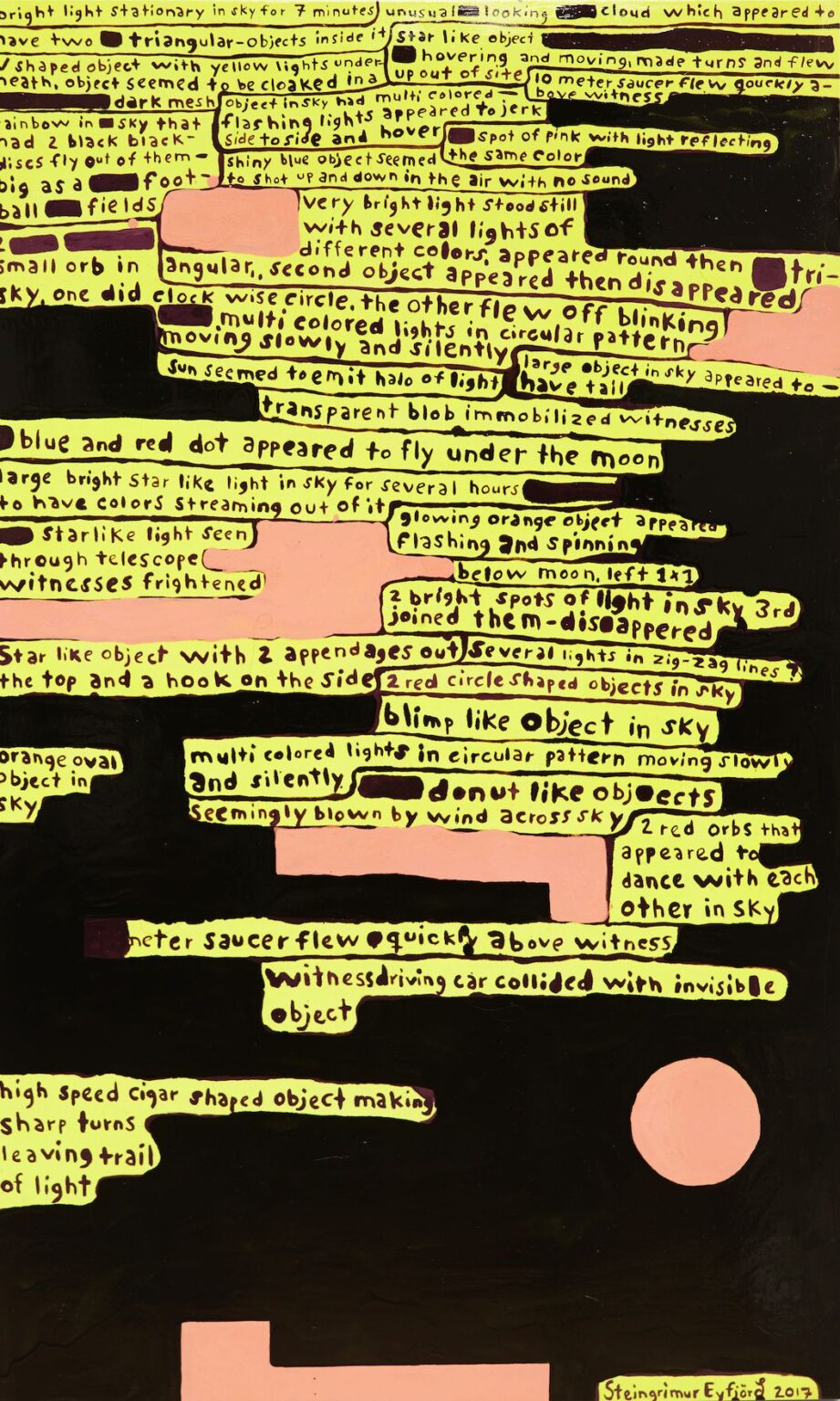
Four decades is a long time in the art world and that is how long Steingrímur Eyfjörð has engaged with a long stream of ideas and styles. He has held exhibitions and taken part in cooperative projects of various kinds, tackling subjects that range from the contemporary to the historical, presenting his thinking about life in general and art in particular. His work is about our perceptions, experiences and understanding. This is nothing new in art – one might even say that this is the primary concern of all artists – but Eyfjörð’s exhibitions stand somewhat apart because he insist on turning on always turning up many and often contradictory answers to every question. He thinks – and sometimes obsesses – on his subjects and tries to look at them from different perspectives. He often seeks and quotes the opinion of others, even engaging spirit mediums to canvass opinions from “beyond the veil”. With this research method we find that even the most ordinary things appear different depending on one’s perspective. Sometimes it is as if people are not seeing the same thing at all and reality recedes into a mess of ideas, misperceptions and misunderstandings. We see what we want to see or would like to see and our attempts to understand our world lead to endless misrepresentations.

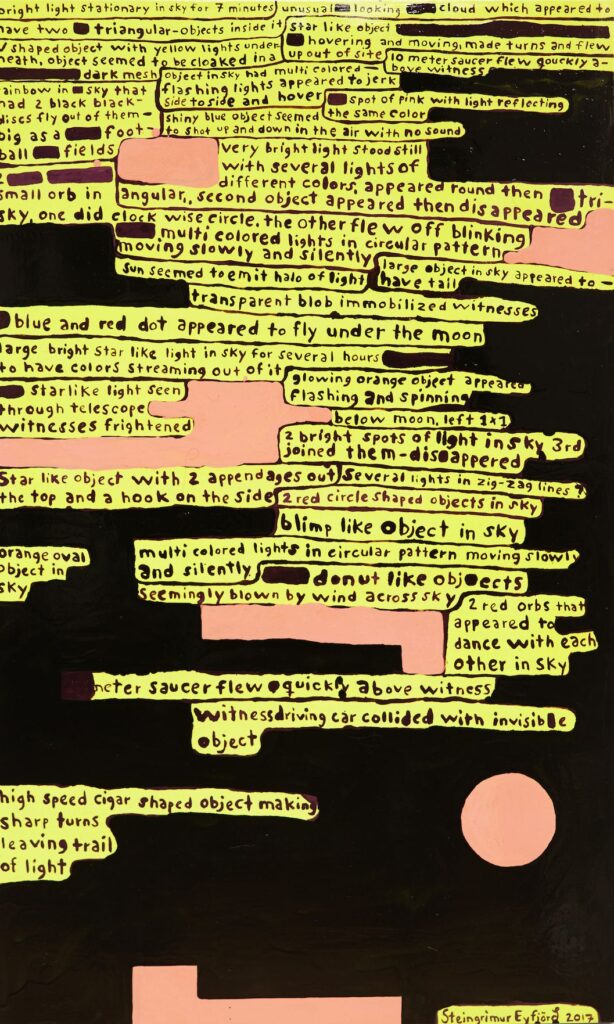
This is where we find Eyfjörð on home ground; these creative misunderstandings are the material on which he build his artwork and exhibitions. Pareidolia is the academic term for looking at unfamiliar things but seeing something familiar. This can apply to our seeing faces in rock formations or animal shapes in the clouds but it can also mean that when we look at the more complicated problems of life and see only the clear-cut explanations that we were already convinced of. Pareidolia, then, can be the innocent fantasy of children looking up at the clouds but can become a much more serious matter when it comes to people’s approach to more serious subjects, such as political or social problems.

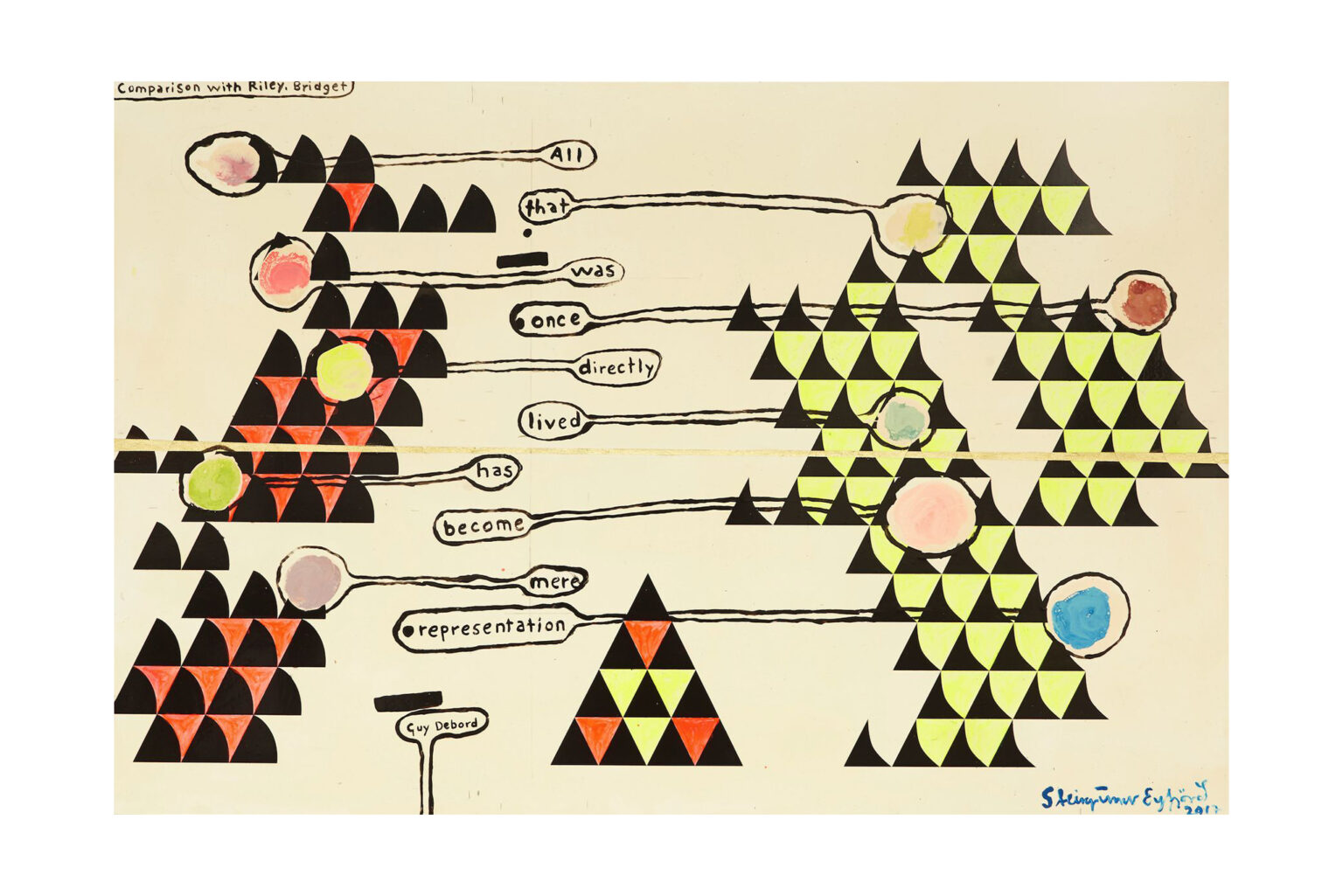
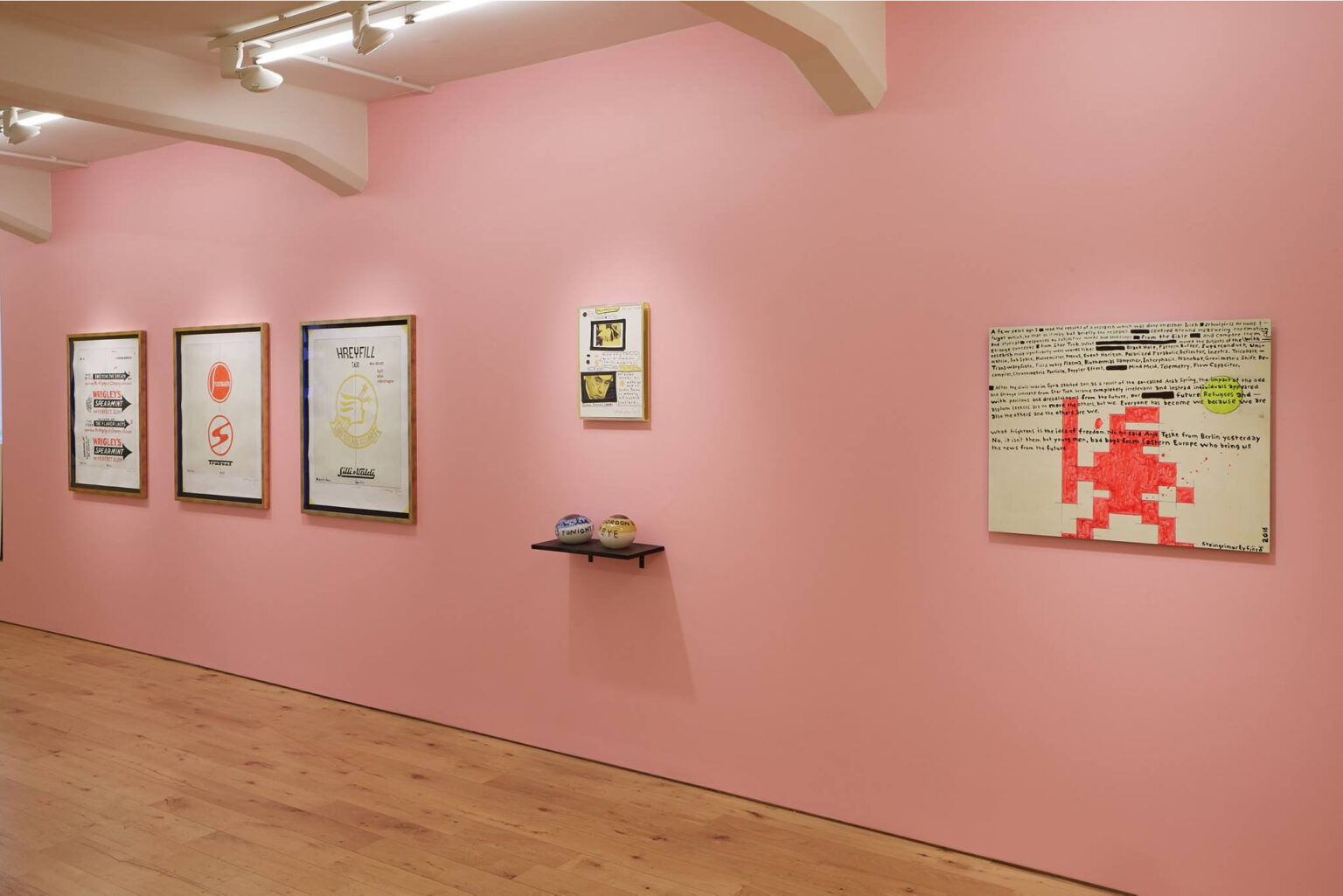
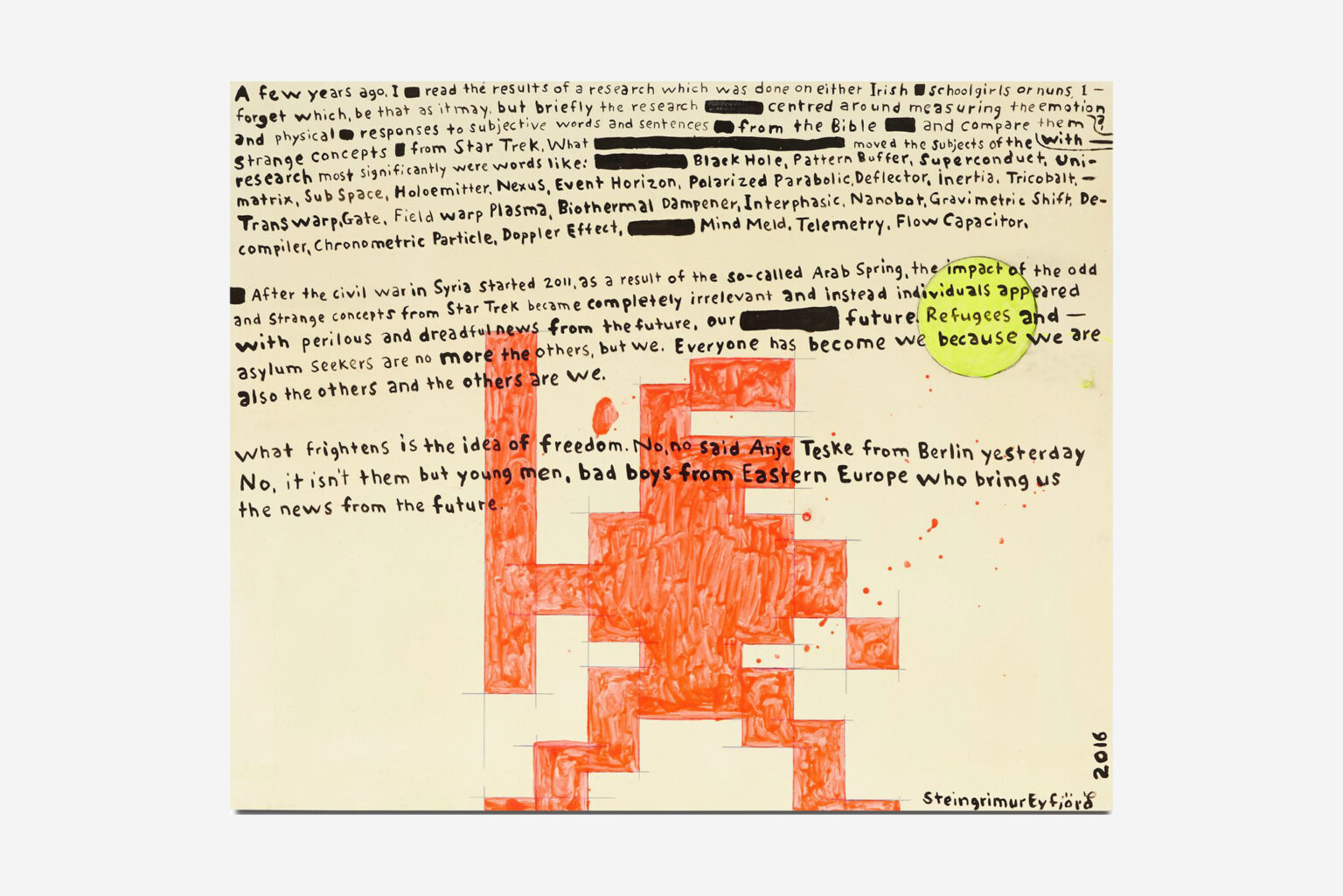
Steingrímur Eyfjörð presents his art as an ongoing conversations where different experiences and opinions clash and are explicated. The subjects can be gleaned from any available source and all seem to find a place in Eyfjörð’s discussion: Social issues, psychology, superstitions and pseudo-science, stories, art and literature. This is a dialectical method where the search for connections and understanding is a matter for discussion and eventual compromise between different perspectives, rather than being governed by a single, logical rule. The making and presentation of the works also seems to be a discussion between different approaches and media. While text has long played a major role, Eyfjörð has also made sculptures and installations, used illustrations and even cartoon formats, as well as both photography and video. As guests in his exhibitions we become part of this never-ending conversation.

Jón Proppé
Pareidolia

04.11.17 – 06.01.18

Hverfisgallerí

Steingrímur Eyfjörð’s Conversations

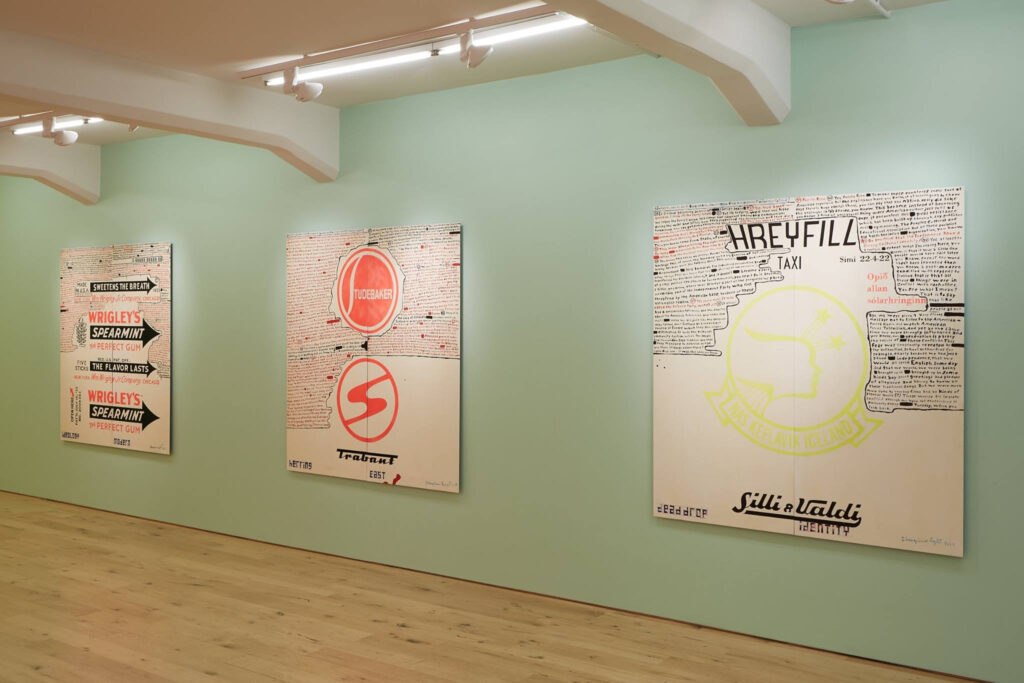
Four decades is a long time in the art world and that is how long Steingrímur Eyfjörð has engaged with a long stream of ideas and styles. He has held exhibitions and taken part in cooperative projects of various kinds, tackling subjects that range from the contemporary to the historical, presenting his thinking about life in general and art in particular. His work is about our perceptions, experiences and understanding. This is nothing new in art – one might even say that this is the primary concern of all artists – but Eyfjörð’s exhibitions stand somewhat apart because he insist on turning on always turning up many and often contradictory answers to every question. He thinks – and sometimes obsesses – on his subjects and tries to look at them from different perspectives. He often seeks and quotes the opinion of others, even engaging spirit mediums to canvass opinions from “beyond the veil”. With this research method we find that even the most ordinary things appear different depending on one’s perspective. Sometimes it is as if people are not seeing the same thing at all and reality recedes into a mess of ideas, misperceptions and misunderstandings. We see what we want to see or would like to see and our attempts to understand our world lead to endless misrepresentations.

This is where we find Eyfjörð on home ground; these creative misunderstandings are the material on which he build his artwork and exhibitions. Pareidolia is the academic term for looking at unfamiliar things but seeing something familiar. This can apply to our seeing faces in rock formations or animal shapes in the clouds but it can also mean that when we look at the more complicated problems of life and see only the clear-cut explanations that we were already convinced of. Pareidolia, then, can be the innocent fantasy of children looking up at the clouds but can become a much more serious matter when it comes to people’s approach to more serious subjects, such as political or social problems.

Steingrímur Eyfjörð presents his art as an ongoing conversations where different experiences and opinions clash and are explicated. The subjects can be gleaned from any available source and all seem to find a place in Eyfjörð’s discussion: Social issues, psychology, superstitions and pseudo-science, stories, art and literature. This is a dialectical method where the search for connections and understanding is a matter for discussion and eventual compromise between different perspectives, rather than being governed by a single, logical rule. The making and presentation of the works also seems to be a discussion between different approaches and media. While text has long played a major role, Eyfjörð has also made sculptures and installations, used illustrations and even cartoon formats, as well as both photography and video. As guests in his exhibitions we become part of this never-ending conversation.

Jón Proppé